THE ADVENTURE COLLECTIVE® · Independent discovery and booking for outdoor travel

Learn to cook classic Dominican dishes in a private, open-air home kitchen above Roseau. This 3–4 hour hands-on class blends ingredient sourcing, local history, and a communal meal you help prepare.
Learn to cook classic Dominican dishes in a private, open-air home kitchen above Roseau. This 3–4 hour hands-on class blends ingredient sourcing, local history, and a communal meal you help prepare.
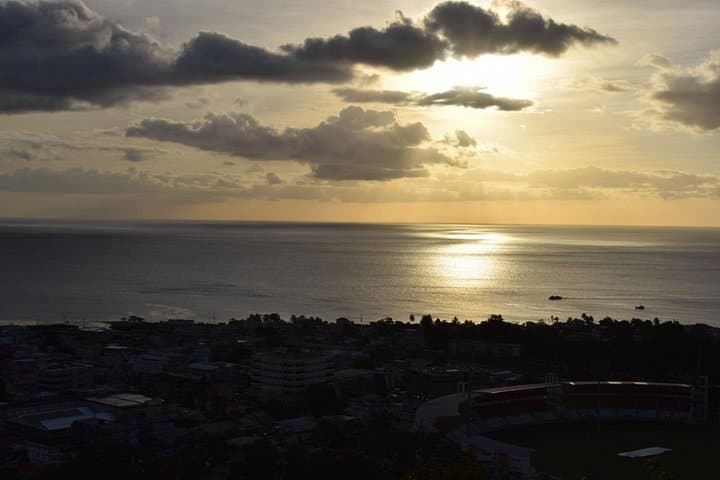
You arrive in Roseau’s humid air, where hills push up from the Caribbean and a chorus of market vendors punctuates the morning. A short drive climbs into the island’s green ribs; an open-air home kitchen waits, the scent of citrus and cassava in the air. The chef greets you, a makeshift wood-fired stove at the center, and the lesson begins — hands-on, immediate, and rooted in local rhythm.
Verified experiences and guided adventures in the surrounding area.
Operated by Opatrip.com Dominica · Roseau, Saint George Parish
You arrive in Roseau’s humid air, where hills push up from the Caribbean and a chorus of market vendors punctuates the morning. A short drive climbs into the island’s green ribs; an open-air home kitchen waits, the scent of citrus and cassava in the air. The chef greets you, a makeshift wood-fired stove at the center, and the lesson begins — hands-on, immediate, and rooted in local rhythm.
Dominica’s food reflects its history: Indigenous Kalinago techniques, African influences, and European colonial imports. Ingredients tell that story — breadfruit and yams grown on steep terraces, citrus and plantains that ride sea breezes, spices traded across centuries. The geology of the island — volcanic slopes and rich soils — produces intensely flavored produce that fuels the island’s dishes.
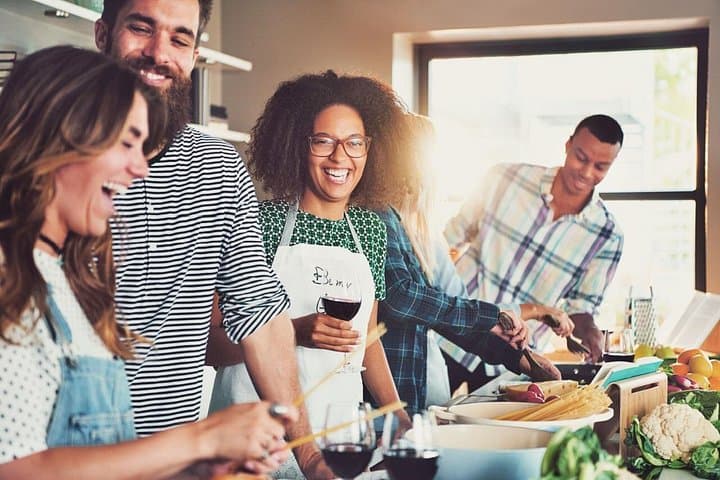
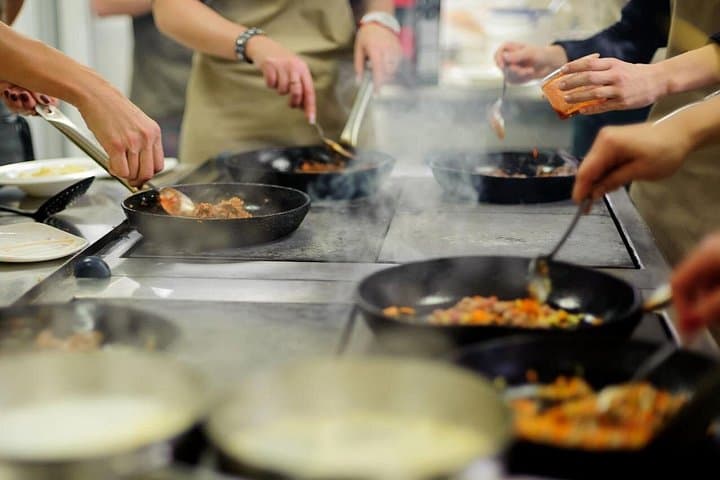
In the class you’ll make mofongo, sancocho, and arroz con pollo, learning why certain spices are paired together and how to judge freshness at the market. The chef explains cultural meaning as you mash, simmer, and taste; the class finishes with the meal you cooked, paired with local juice or a rum punch.
Practical tips: wear closed-toe shoes for uneven yards, bring a light rain jacket (tropical showers pop up fast), and notify dietary needs in advance. Classes run about 3–4 hours and are private, so they’re flexible for beginners. Expect a friendly pace, plenty of standing, and close contact with fresh island produce. This experience is less a show and more a workshop — culinary craft taught in a genuine Dominican home.
The private class runs about 3–4 hours, including instruction, hands-on cooking, and the meal.
Yes—hosts can adapt recipes for common dietary needs if informed at booking.
Meetings typically start near central Roseau with transportation to the hillside home included as described in the tour details.
Most hosts speak English; if you require another language, request it at booking and the operator will confirm availability.
Opatrip.com Dominica operates guided outdoor trips and adventures with an emphasis on safety, stewardship, and memorable experiences.
You arrive in Roseau’s humid air, where hills push up from the Caribbean and a chorus of market vendors punctuates the morning. A short drive climbs into the island’s green ribs; an open-air home kitchen waits, the scent of citrus and cassava in the air. The chef greets you, a makeshift wood-fired stove at the center, and the lesson begins — hands-on, immediate, and rooted in local rhythm.
You arrive in Roseau’s humid air, where hills push up from the Caribbean and a chorus of market vendors punctuates the morning. A short drive climbs into the island’s green ribs; an open-air home kitchen waits, the scent of citrus and cassava in the air. The chef greets you, a makeshift wood-fired stove at the center, and the lesson begins — hands-on, immediate, and rooted in local rhythm.
Dominica’s food reflects its history: Indigenous Kalinago techniques, African influences, and European colonial imports. Ingredients tell that story — breadfruit and yams grown on steep terraces, citrus and plantains that ride sea breezes, spices traded across centuries. The geology of the island — volcanic slopes and rich soils — produces intensely flavored produce that fuels the island’s dishes.
In the class you’ll make mofongo, sancocho, and arroz con pollo, learning why certain spices are paired together and how to judge freshness at the market. The chef explains cultural meaning as you mash, simmer, and taste; the class finishes with the meal you cooked, paired with local juice or a rum punch.
Practical tips: wear closed-toe shoes for uneven yards, bring a light rain jacket (tropical showers pop up fast), and notify dietary needs in advance. Classes run about 3–4 hours and are private, so they’re flexible for beginners. Expect a friendly pace, plenty of standing, and close contact with fresh island produce. This experience is less a show and more a workshop — culinary craft taught in a genuine Dominican home.