THE ADVENTURE COLLECTIVE® · Independent discovery and booking for outdoor travel

Learn to cook classic Dominican dishes with Rossy in her Gascue home—an intimate, three-hour hands-on class that ends with a shared meal and local drinks. Perfect for travelers wanting authentic food, cultural stories, and family recipes passed down through generations.
Learn to cook classic Dominican dishes with Rossy in her Gascue home—an intimate, three-hour hands-on class that ends with a shared meal and local drinks. Perfect for travelers wanting authentic food, cultural stories, and family recipes passed down through generations.
Steam rises from a heavy pot as you step into a tidy Gascue kitchen—wooden spoons clack, citrus and garlic hang in the air, and a grandmotherly host guides your hands through the rhythm of chopping and stirring.
Verified experiences and guided adventures in the surrounding area.
Operated by Traveling Spoon · Santo Domingo, Distrito Nacional
Steam rises from a heavy pot as you step into a tidy Gascue kitchen—wooden spoons clack, citrus and garlic hang in the air, and a grandmotherly host guides your hands through the rhythm of chopping and stirring.
Santo Domingo’s food is a living record: Taíno roots meet Spanish technique and African flavors brought across centuries. The city itself, founded in the late 15th century on Hispaniola’s Caribbean plain, has streets of colonial stone and a food culture shaped by coastal agriculture and tropical staples—plantain, yuca, root vegetables—that show up in the recipes you’ll learn.
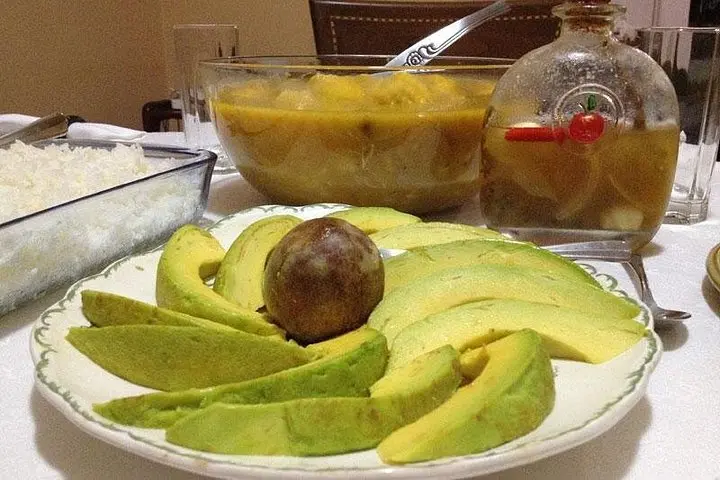
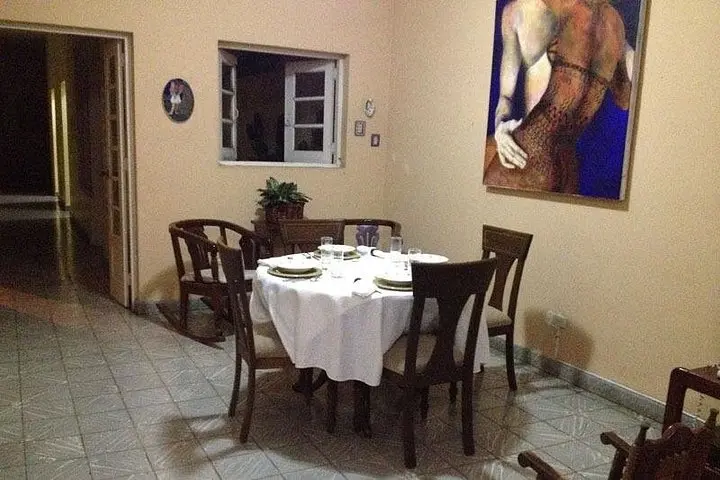
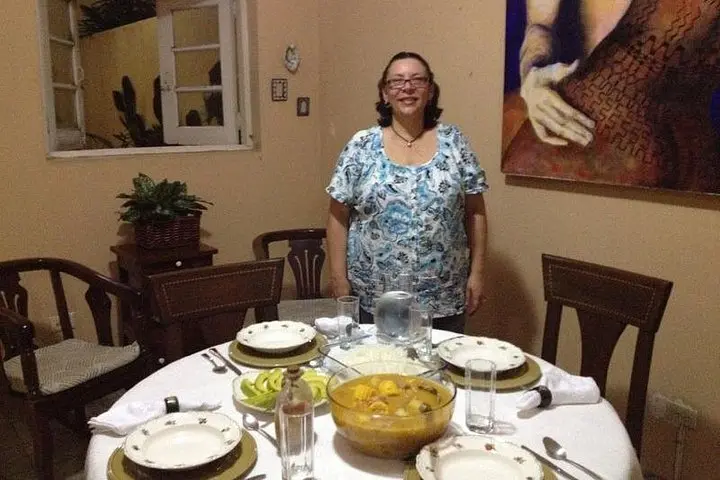
Over three hours, Rossy leads a private, hands-on class where you prepare 2–3 dishes—sancocho’s hearty broth, crisp plátano frito, and a simple arroz—using family techniques passed down across generations. Conversation ranges from recipe tips to neighborhood stories; local beer or rum is included, and the meal is shared at her table. The kitchen is intimate, so expect rotation in larger groups and a relaxed, home-style pace.
Practical note: the class is about technique and culture rather than professional training—bring questions, not pressure. Notify Rossy of allergies or vegetarian needs in advance. Public transit options and optional transfers make arrival straightforward; plan to arrive 10–15 minutes early to settle in. Comfortable shoes, light layers for kitchen heat, and a camera are useful. Expect hands-on learning, generous portions, and recipes you can reproduce at home—an efficient, sensory way to understand Dominican cuisine and the stories behind it.
Yes—Rossy can prepare vegetarian versions of many dishes if you request this at booking.
You will prepare 2–3 traditional dishes and finish the experience by sharing the meal with Rossy, including dessert and coffee.
Optional transfer add-ons are sometimes available; otherwise the host’s home is reachable by local transport and is about 10 minutes from the Zona Colonial.
Children are welcome, but be aware the kitchen is small and activity involves hot surfaces; supervision is required.
Traveling Spoon operates guided outdoor trips and adventures with an emphasis on safety, stewardship, and memorable experiences.
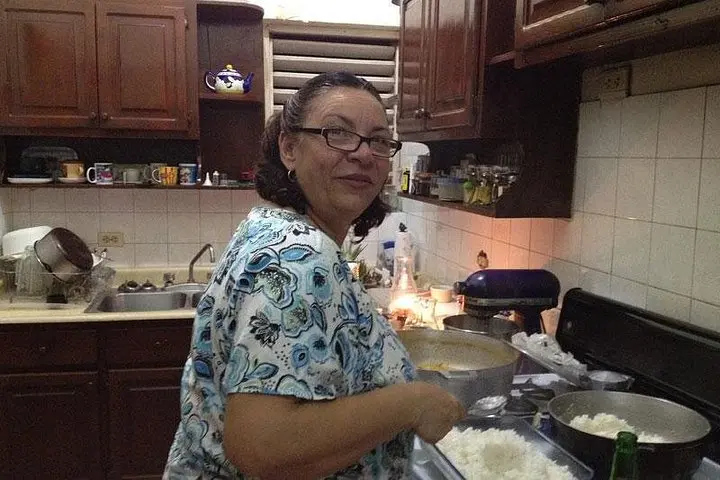
Steam rises from a heavy pot as you step into a tidy Gascue kitchen—wooden spoons clack, citrus and garlic hang in the air, and a grandmotherly host guides your hands through the rhythm of chopping and stirring.
Steam rises from a heavy pot as you step into a tidy Gascue kitchen—wooden spoons clack, citrus and garlic hang in the air, and a grandmotherly host guides your hands through the rhythm of chopping and stirring.
Santo Domingo’s food is a living record: Taíno roots meet Spanish technique and African flavors brought across centuries. The city itself, founded in the late 15th century on Hispaniola’s Caribbean plain, has streets of colonial stone and a food culture shaped by coastal agriculture and tropical staples—plantain, yuca, root vegetables—that show up in the recipes you’ll learn.
Over three hours, Rossy leads a private, hands-on class where you prepare 2–3 dishes—sancocho’s hearty broth, crisp plátano frito, and a simple arroz—using family techniques passed down across generations. Conversation ranges from recipe tips to neighborhood stories; local beer or rum is included, and the meal is shared at her table. The kitchen is intimate, so expect rotation in larger groups and a relaxed, home-style pace.
Practical note: the class is about technique and culture rather than professional training—bring questions, not pressure. Notify Rossy of allergies or vegetarian needs in advance. Public transit options and optional transfers make arrival straightforward; plan to arrive 10–15 minutes early to settle in. Comfortable shoes, light layers for kitchen heat, and a camera are useful. Expect hands-on learning, generous portions, and recipes you can reproduce at home—an efficient, sensory way to understand Dominican cuisine and the stories behind it.