THE ADVENTURE COLLECTIVE® · Independent discovery and booking for outdoor travel

Ride Copenhagen’s story from Kødbyen’s converted slaughterhouses to the reed-lined quiet of Utterslev Mose. This private 3-hour e-bike tour blends city history, bold architecture and wetland wildlife with relaxed, mostly-flat riding.
Ride Copenhagen’s story from Kødbyen’s converted slaughterhouses to the reed-lined quiet of Utterslev Mose. This private 3-hour e-bike tour blends city history, bold architecture and wetland wildlife with relaxed, mostly-flat riding.
You clip a Livall helmet into place and the city opens in motion: cobbled alleys give way to broad boulevards, canal mirrors ripple as e-bikes whisper past. The guide leads you through Kødbyen’s red-brick blocks — once a 19th-century slaughterhouse district — where industrial grit has been retooled into restaurants and street art, a clear flash of Copenhagen’s ability to remake itself.
Verified experiences and guided adventures in the surrounding area.
Operated by E-Adventures · Copenhagen, Capital Region
You clip a Livall helmet into place and the city opens in motion: cobbled alleys give way to broad boulevards, canal mirrors ripple as e-bikes whisper past. The guide leads you through Kødbyen’s red-brick blocks — once a 19th-century slaughterhouse district — where industrial grit has been retooled into restaurants and street art, a clear flash of Copenhagen’s ability to remake itself.
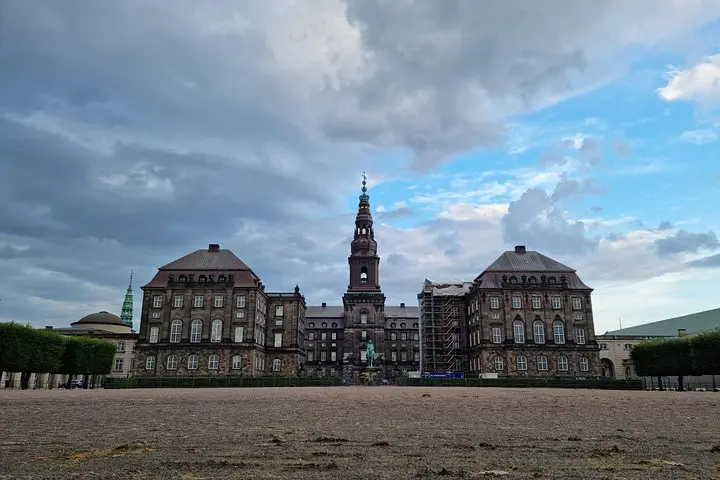
The route threads past Christiansborg, where Denmark’s governance has been centered for centuries, and skims royal addresses like Amalienborg and Rosenborg that mark Copenhagen’s layered political and cultural history. Geologically, this low-lying coastal city is built on reclaimed land and glacial deposits; you’ll notice the flat grades and long sightlines that make pedaling easy, and the sudden openness of Utterslev Mose, a reclaimed wetland that draws thousands of migratory birds and even roaming sheep in nearby meadows.
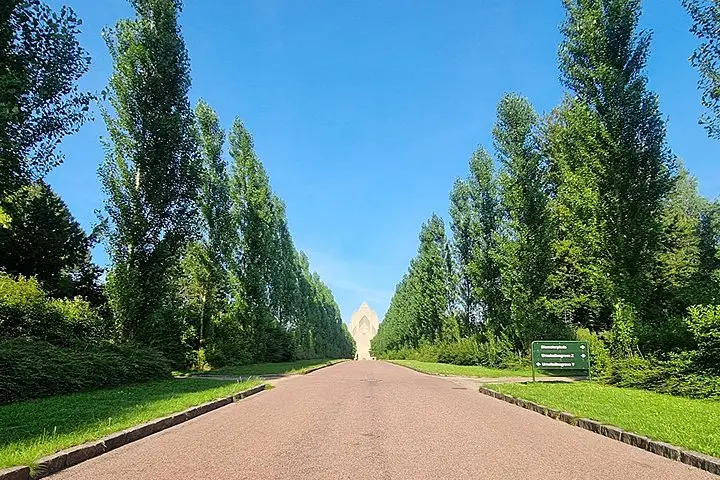
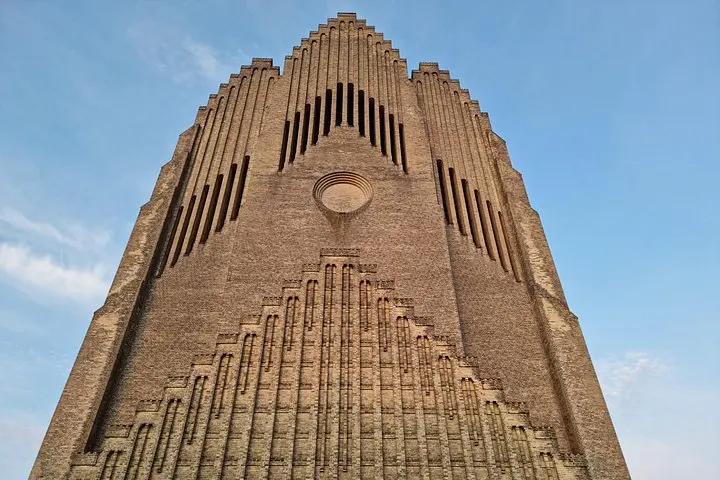
Grundtvig’s Church rises in Bispebjerg with bold expressionist brick—an architectural punctuation that contrasts the city center’s baroque and neoclassical details. Nature here has agency: the marsh pushes scents of reed and water toward you, and waterways dare you to slow down and watch.
Practicals: the 3-hour private tour covers roughly 10–15 km on mainly paved streets and some gravel paths, with negligible elevation gain. Guides supply a Maravelo e-bike, Livall helmet, bottled water and an Osmo Pocket camera for highlights. Expect light traffic in central areas and quieter green corridors northwest toward Utterslev Mose; be ready for variable weather, carry a rain shell, and fit within the tour’s height/weight limits. This ride balances urban history and accessible nature in a compact, rideable slice of Copenhagen.
The private tour covers about 10–15 km over roughly 3 hours; terrain is largely flat and paced for general fitness levels.
Yes — Maravelo e-bikes and Livall high-tech helmets are included, plus bottled water and an Osmo Pocket camera for highlights.
It's suitable for older children who meet the minimum height (158 cm) and adults with basic mobility; it's not recommended for people with serious spinal, heart, or pregnancy-related restrictions.
The tour may be canceled for full refund if weather is unsafe; check the 24-hour cancellation policy and confirm rescheduling options with the operator.
E-Adventures operates guided outdoor trips and adventures with an emphasis on safety, stewardship, and memorable experiences.
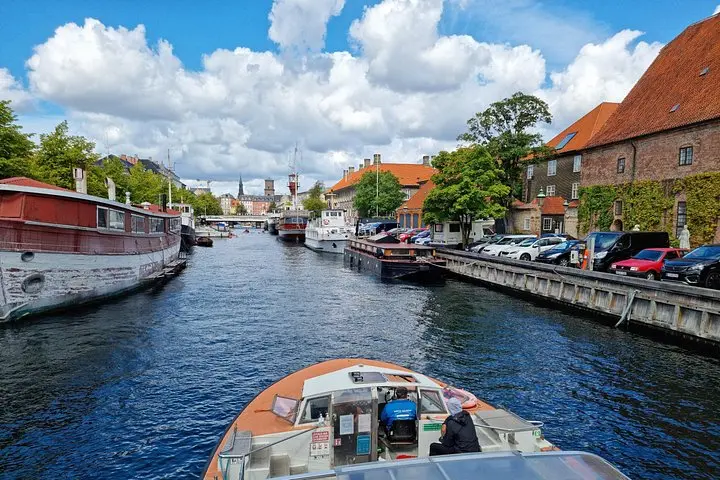
You clip a Livall helmet into place and the city opens in motion: cobbled alleys give way to broad boulevards, canal mirrors ripple as e-bikes whisper past. The guide leads you through Kødbyen’s red-brick blocks — once a 19th-century slaughterhouse district — where industrial grit has been retooled into restaurants and street art, a clear flash of Copenhagen’s ability to remake itself.
You clip a Livall helmet into place and the city opens in motion: cobbled alleys give way to broad boulevards, canal mirrors ripple as e-bikes whisper past. The guide leads you through Kødbyen’s red-brick blocks — once a 19th-century slaughterhouse district — where industrial grit has been retooled into restaurants and street art, a clear flash of Copenhagen’s ability to remake itself.
The route threads past Christiansborg, where Denmark’s governance has been centered for centuries, and skims royal addresses like Amalienborg and Rosenborg that mark Copenhagen’s layered political and cultural history. Geologically, this low-lying coastal city is built on reclaimed land and glacial deposits; you’ll notice the flat grades and long sightlines that make pedaling easy, and the sudden openness of Utterslev Mose, a reclaimed wetland that draws thousands of migratory birds and even roaming sheep in nearby meadows.
Grundtvig’s Church rises in Bispebjerg with bold expressionist brick—an architectural punctuation that contrasts the city center’s baroque and neoclassical details. Nature here has agency: the marsh pushes scents of reed and water toward you, and waterways dare you to slow down and watch.
Practicals: the 3-hour private tour covers roughly 10–15 km on mainly paved streets and some gravel paths, with negligible elevation gain. Guides supply a Maravelo e-bike, Livall helmet, bottled water and an Osmo Pocket camera for highlights. Expect light traffic in central areas and quieter green corridors northwest toward Utterslev Mose; be ready for variable weather, carry a rain shell, and fit within the tour’s height/weight limits. This ride balances urban history and accessible nature in a compact, rideable slice of Copenhagen.