THE ADVENTURE COLLECTIVE® · Independent discovery and booking for outdoor travel

A private, six-hour drive from Salzburg to Obersalzberg and Berchtesgaden pairs a mountaintop WWII site with a 500-year-old salt mine. This practical guide covers what to expect—history, terrain, and preparation tips for the Kehlsteinhaus and the underground galleries below.
A private, six-hour drive from Salzburg to Obersalzberg and Berchtesgaden pairs a mountaintop WWII site with a 500-year-old salt mine. This practical guide covers what to expect—history, terrain, and preparation tips for the Kehlsteinhaus and the underground galleries below.
The hour-and-a-half drive south from Salzburg loosens city edges and replaces church spires with serrated limestone peaks. On approach to Obersalzberg the road clips alpine meadows and the guide sketches wartime contours — SS barracks, the Berghof grounds — before the mountain bus begins its steep, engineered climb. The road to the Kehlsteinhaus pitches to 27% in places; a short tunnel and the original brass elevator punch through a granite shoulder and deposit visitors onto a terrace with a north-facing bowl of peaks and the mirror-flat Königssee below.
Verified experiences and guided adventures in the surrounding area.
Operated by Salzburg Private Tours · Berchtesgaden, Bavaria
The hour-and-a-half drive south from Salzburg loosens city edges and replaces church spires with serrated limestone peaks. On approach to Obersalzberg the road clips alpine meadows and the guide sketches wartime contours — SS barracks, the Berghof grounds — before the mountain bus begins its steep, engineered climb. The road to the Kehlsteinhaus pitches to 27% in places; a short tunnel and the original brass elevator punch through a granite shoulder and deposit visitors onto a terrace with a north-facing bowl of peaks and the mirror-flat Königssee below.
This is a trip that stitches two strands of the region’s identity: the darker imprint of 20th-century politics and the longer arc of salt and alpine geology. Berchtesgaden prospered for centuries on salt (“white gold”), and glaciers sculpted the narrow valleys and sheer rock faces you’ll see. The Kehlsteinhaus itself was built in the 1930s as a mountain retreat and is now interpreted within its historical context rather than celebrated.
Expect short walks, many steps and exposed viewpoints rather than long hikes. The salt mine visit moves underground: miners’ guides lead through carved galleries, wooden slides and historic extraction sites — a different kind of landscape, humid and echoing.
Practicalities: bring a passport for border checks, wear sturdy shoes and layered clothing for changing mountain temps, and plan for lunch in Berchtesgaden (not included). The tour is private, roughly six hours door-to-door, and not wheelchair accessible; stair awareness and moderate fitness make the experience comfortable and safe.
This private tour visits the Eagle’s Nest; admission is handled on-site—confirm with the operator whether entry fees are covered when booking.
Children are welcome but must meet safety and seating requirements; child seats are available and children under 12 or shorter than 150cm may need a child seat in the vehicle.
The site requires walking, elevator use and many steps and is not wheelchair accessible; those with limited mobility should contact the operator for alternatives.
Private guides typically speak English and German; confirm language needs when booking to ensure a suitable guide.
Salzburg Private Tours operates guided outdoor trips and adventures with an emphasis on safety, stewardship, and memorable experiences.
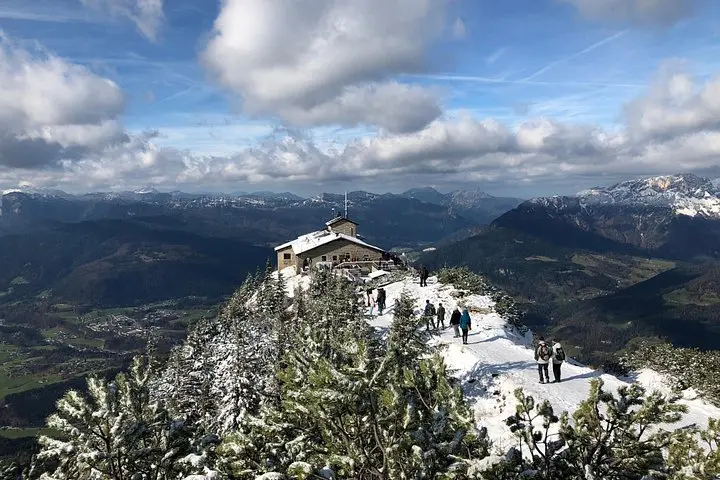
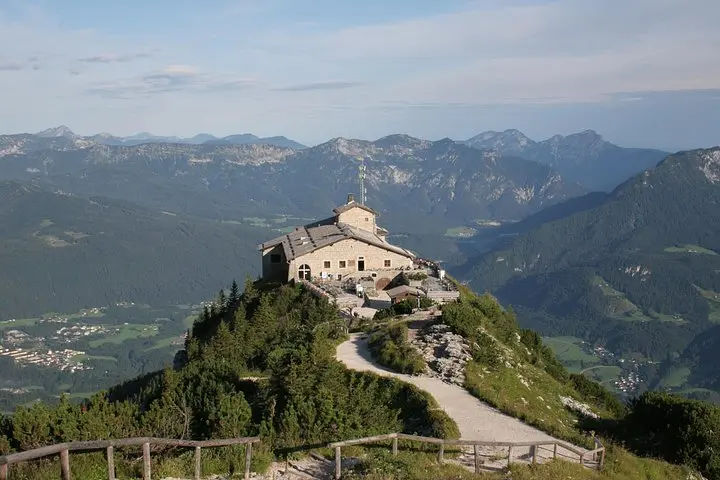
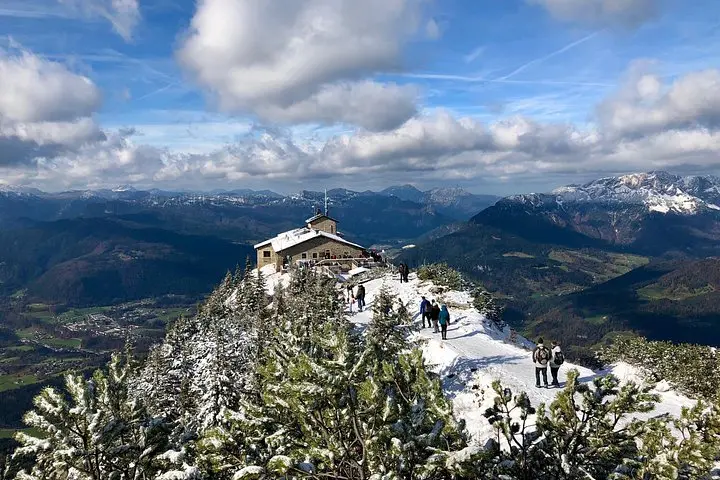
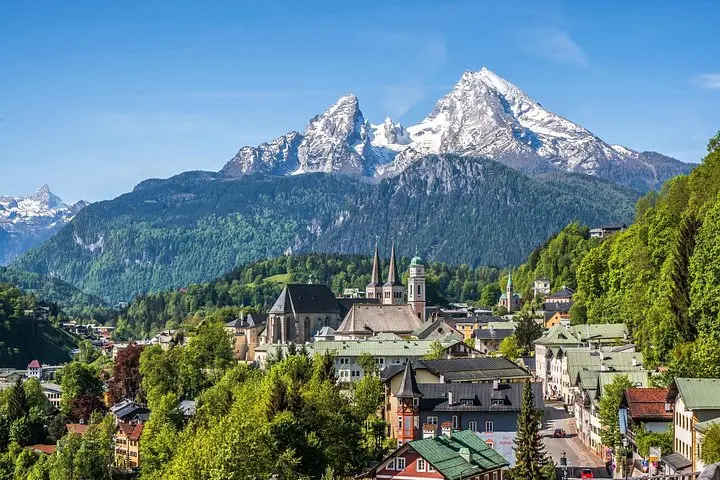
The hour-and-a-half drive south from Salzburg loosens city edges and replaces church spires with serrated limestone peaks. On approach to Obersalzberg the road clips alpine meadows and the guide sketches wartime contours — SS barracks, the Berghof grounds — before the mountain bus begins its steep, engineered climb. The road to the Kehlsteinhaus pitches to 27% in places; a short tunnel and the original brass elevator punch through a granite shoulder and deposit visitors onto a terrace with a north-facing bowl of peaks and the mirror-flat Königssee below.
The hour-and-a-half drive south from Salzburg loosens city edges and replaces church spires with serrated limestone peaks. On approach to Obersalzberg the road clips alpine meadows and the guide sketches wartime contours — SS barracks, the Berghof grounds — before the mountain bus begins its steep, engineered climb. The road to the Kehlsteinhaus pitches to 27% in places; a short tunnel and the original brass elevator punch through a granite shoulder and deposit visitors onto a terrace with a north-facing bowl of peaks and the mirror-flat Königssee below.
This is a trip that stitches two strands of the region’s identity: the darker imprint of 20th-century politics and the longer arc of salt and alpine geology. Berchtesgaden prospered for centuries on salt (“white gold”), and glaciers sculpted the narrow valleys and sheer rock faces you’ll see. The Kehlsteinhaus itself was built in the 1930s as a mountain retreat and is now interpreted within its historical context rather than celebrated.
Expect short walks, many steps and exposed viewpoints rather than long hikes. The salt mine visit moves underground: miners’ guides lead through carved galleries, wooden slides and historic extraction sites — a different kind of landscape, humid and echoing.
Practicalities: bring a passport for border checks, wear sturdy shoes and layered clothing for changing mountain temps, and plan for lunch in Berchtesgaden (not included). The tour is private, roughly six hours door-to-door, and not wheelchair accessible; stair awareness and moderate fitness make the experience comfortable and safe.