THE ADVENTURE COLLECTIVE® · Independent discovery and booking for outdoor travel

Skip the crowds and experience the Tulum ruins at first light, then cool off in a crystal cenote with a private guide. This full-day private tour pairs archaeology, coastal panoramas and a swim at Gran Cenote—perfect for travelers seeking history without the lines.
Skip the crowds and experience the Tulum ruins at first light, then cool off in a crystal cenote with a private guide. This full-day private tour pairs archaeology, coastal panoramas and a swim at Gran Cenote—perfect for travelers seeking history without the lines.
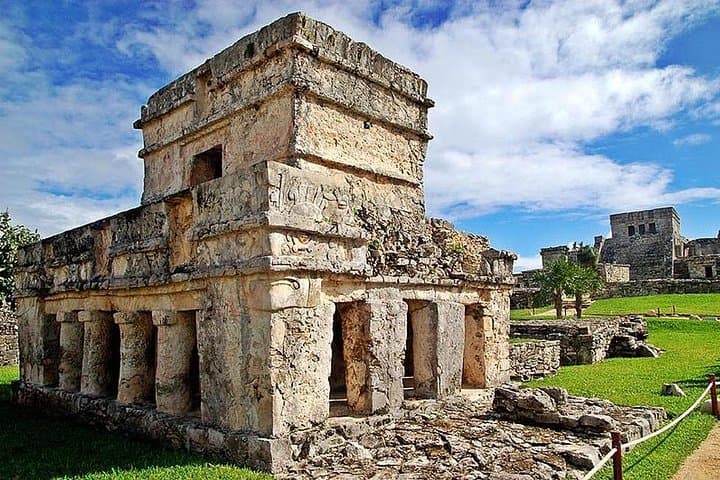
The van eases off the coastal highway before dawn and the Caribbean light is still a rumor on the horizon. You step onto the bluff above the sea with a private guide and, for a crucial hour, the ancient stone town belongs only to you — birds wheel and iguanas sun themselves on temple lintels while the first rays pick out the carved faces of El Castillo.
Verified experiences and guided adventures in the surrounding area.
Operated by Special Mayan Tours Cancun · Tulum, Quintana Roo
The van eases off the coastal highway before dawn and the Caribbean light is still a rumor on the horizon. You step onto the bluff above the sea with a private guide and, for a crucial hour, the ancient stone town belongs only to you — birds wheel and iguanas sun themselves on temple lintels while the first rays pick out the carved faces of El Castillo.
Tulum was one of the last major Maya cities to flourish, a fortified maritime port on limestone cliffs from roughly the 13th to 16th centuries. The city’s compact footprint—temples, administrative buildings, and watchtowers—reads like a map of trade: salt, textiles, and freshwater from inland cenotes flowed from here toward the wider Caribbean and into Mesoamerica.
Geology and geography are inseparable at Tulum. The site sits on uplifted coral limestone; karst processes and collapsed caverns created the cenotes that sustained Maya life. That’s why an archaeological visit often pairs naturally with a swim—this tour includes time at Gran Cenote, a cavern-fed pool where light shafts pierce clear, mineral-rich water.
Culturally the place is direct and tactile: stepped altars, painted niches and stucco traces that hint at ritual life. Your guide will unpack iconography—the descending God, sea motifs—and situate Tulum in a coastline of barrier reefs and colonial contact. Modern Tulum town, once a fishing village, now offers simple eateries and Mayan-run cooperatives if you want to extend the day with local food or handwoven textiles.
Practicalities matter: this private tour runs about 10 hours with hotel pickup, private transport and an official guide. Note that archaeological entrance and cenote admissions are typically not included; bring cash or buy tickets online in advance to save time. Early starts are the payoff: you beat midday heat and the crush of buses, and photography is far cleaner in soft morning light.
Wear sturdy sandals or light hiking shoes for uneven stone steps, and pack reef-safe sunscreen and a hat. Bring swimwear, towel and a waterproof bag for phones; the guide can recommend the best place to change and rinse. The operator lists wheelchair access and infant seats, but some stone ramps and steps at the site remain uneven—check when booking if accessibility is essential.
Conservation here is active: don’t climb on structures, follow marked paths, and use only biodegradable sunscreen in cenotes. A private tour gives you flexibility—longer time at a favorite viewpoint or an alternate cenote if Gran Cenote is crowded—but it also puts responsibility on you to respect fragile archaeology and freshwater ecosystems.
No; the tour notes that entrance fees are typically not included—bring cash (pesos) or pre-purchase tickets online to skip lines.
The private tour is designed to start early to avoid crowds and midday heat; early morning light also improves visibility and photos.
Yes—private hotel pickup is provided; the operator will confirm pickup time and can collect from most hotels in the area.
Yes—swimming is offered; bring swimwear, towel and biodegradable sunscreen. Note cenote rules and depth variations before entering.
The operator lists wheelchair-accessible options, but some archaeological areas have uneven ramps and steps—confirm specific accessibility needs at booking.
Tipping is customary in Mexico; a guideline is 10–15% for guides (depending on service) and a smaller amount for drivers—cash in local currency is preferred.
Special Mayan Tours Cancun operates guided outdoor trips and adventures with an emphasis on safety, stewardship, and memorable experiences.


The van eases off the coastal highway before dawn and the Caribbean light is still a rumor on the horizon. You step onto the bluff above the sea with a private guide and, for a crucial hour, the ancient stone town belongs only to you — birds wheel and iguanas sun themselves on temple lintels while the first rays pick out the carved faces of El Castillo.
The van eases off the coastal highway before dawn and the Caribbean light is still a rumor on the horizon. You step onto the bluff above the sea with a private guide and, for a crucial hour, the ancient stone town belongs only to you — birds wheel and iguanas sun themselves on temple lintels while the first rays pick out the carved faces of El Castillo.
Tulum was one of the last major Maya cities to flourish, a fortified maritime port on limestone cliffs from roughly the 13th to 16th centuries. The city’s compact footprint—temples, administrative buildings, and watchtowers—reads like a map of trade: salt, textiles, and freshwater from inland cenotes flowed from here toward the wider Caribbean and into Mesoamerica.
Geology and geography are inseparable at Tulum. The site sits on uplifted coral limestone; karst processes and collapsed caverns created the cenotes that sustained Maya life. That’s why an archaeological visit often pairs naturally with a swim—this tour includes time at Gran Cenote, a cavern-fed pool where light shafts pierce clear, mineral-rich water.
Culturally the place is direct and tactile: stepped altars, painted niches and stucco traces that hint at ritual life. Your guide will unpack iconography—the descending God, sea motifs—and situate Tulum in a coastline of barrier reefs and colonial contact. Modern Tulum town, once a fishing village, now offers simple eateries and Mayan-run cooperatives if you want to extend the day with local food or handwoven textiles.
Practicalities matter: this private tour runs about 10 hours with hotel pickup, private transport and an official guide. Note that archaeological entrance and cenote admissions are typically not included; bring cash or buy tickets online in advance to save time. Early starts are the payoff: you beat midday heat and the crush of buses, and photography is far cleaner in soft morning light.
Wear sturdy sandals or light hiking shoes for uneven stone steps, and pack reef-safe sunscreen and a hat. Bring swimwear, towel and a waterproof bag for phones; the guide can recommend the best place to change and rinse. The operator lists wheelchair access and infant seats, but some stone ramps and steps at the site remain uneven—check when booking if accessibility is essential.
Conservation here is active: don’t climb on structures, follow marked paths, and use only biodegradable sunscreen in cenotes. A private tour gives you flexibility—longer time at a favorite viewpoint or an alternate cenote if Gran Cenote is crowded—but it also puts responsibility on you to respect fragile archaeology and freshwater ecosystems.