THE ADVENTURE COLLECTIVE® · Independent discovery and booking for outdoor travel

Cycle Kyoto’s quiet lanes to Fushimi Inari Taisha, ride through the thousand torii gates with an English-speaking guide, then return along the Kamo River. This private e-bike tour blends cultural stops with easy urban riding and local food discoveries.
Cycle Kyoto’s quiet lanes to Fushimi Inari Taisha, ride through the thousand torii gates with an English-speaking guide, then return along the Kamo River. This private e-bike tour blends cultural stops with easy urban riding and local food discoveries.
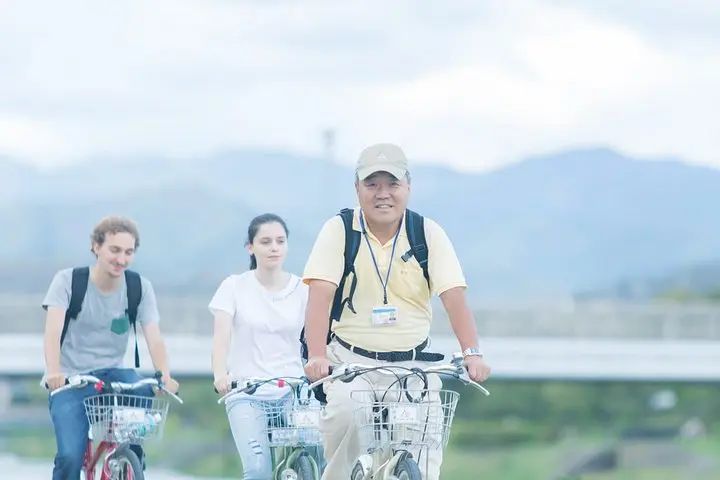
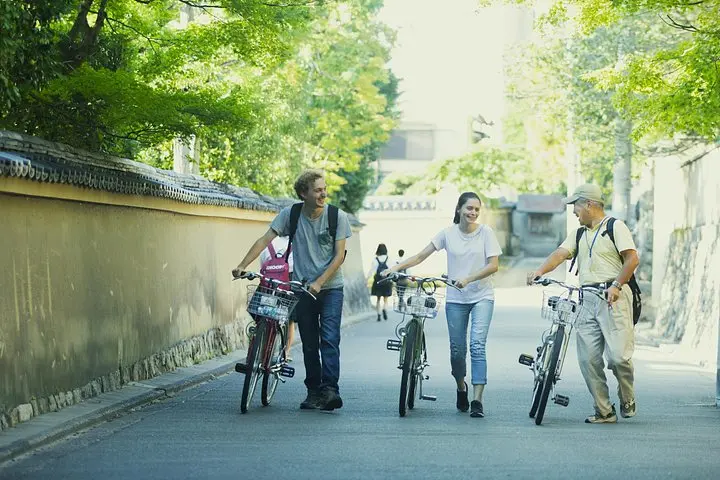
Morning light strips across Kyoto’s side streets as you push off on a quiet e-bike, tires whispering on stone and asphalt.
Verified experiences and guided adventures in the surrounding area.
Operated by KCTP · Kyoto, Kyoto Prefecture
Morning light strips across Kyoto’s side streets as you push off on a quiet e-bike, tires whispering on stone and asphalt.
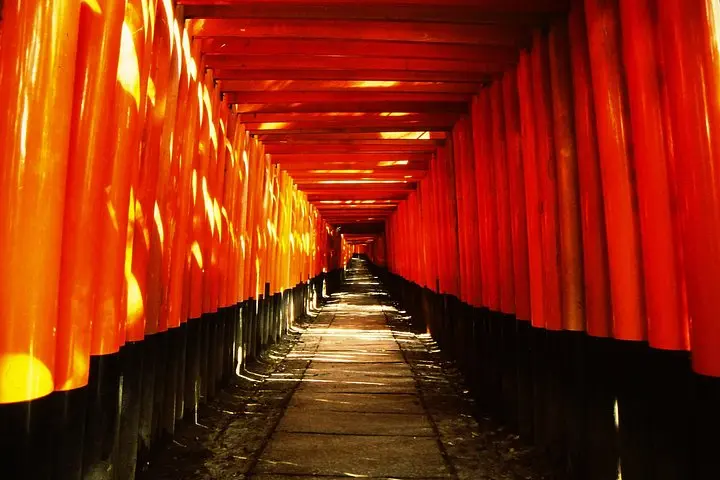
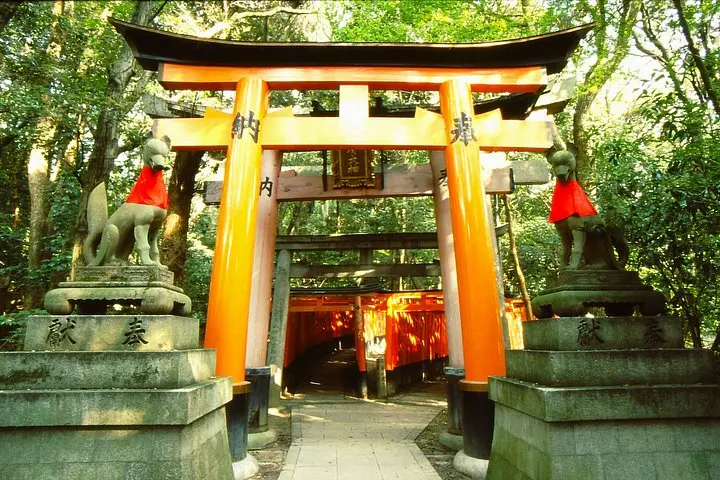
The route threads through historic neighborhoods toward Fushimi Inari Taisha, where rows of vermillion torii stand like a long, ordered crowd guiding you up into the hillside. The guide pauses at the shrine approach, explaining the shrine’s founding in 711 AD and its role in Japan’s rice-cultivation rituals while the air carries faint incense and the call of city birds.
Geology here is subdued but readable: low volcanic hills of the Inari ridge, weathered tuff and gravel underfoot where the shrine’s pathways climb. Culture smells of soy, grilled mochi and sake from nearby breweries in Fushimi; the area has long been a production center shaped by the region’s pure groundwater.
Practically, expect 3–4 hours total. The cycling is on low-traffic streets and paved embankments along the Kamo River, with brief, steady climbs if you walk parts of the torii trail—up to roughly 150–200 meters of ascent if you follow to the upper shrine.
Bring lightweight layers, hydrate often, and be ready to dismount where stone steps or narrow gate paths begin. The e-bikes handle Kyoto’s alleys and give a steady assist on climbs, letting you cover ground without racing the crowd. Time your ride early or late afternoon to avoid peak shrines traffic and to catch the river daring you to slow down on the return leg.
Yes — the tour uses electric-assist bicycles to ease pedaling on climbs and make city riding accessible to most guests.
Yes — the route is planned for easy urban cycling with brief walking sections; basic bike handling is sufficient.
Guides accompany you to key sites like Sanjusangen-do and parts of Fushimi Inari; some inner halls may require separate admission or have restricted areas.
This is a private tour with 2–6 guests per guide; single-person bookings aren’t accepted and youngsters must meet age and height minimums.
KCTP operates guided outdoor trips and adventures with an emphasis on safety, stewardship, and memorable experiences.
Morning light strips across Kyoto’s side streets as you push off on a quiet e-bike, tires whispering on stone and asphalt.
Morning light strips across Kyoto’s side streets as you push off on a quiet e-bike, tires whispering on stone and asphalt.
The route threads through historic neighborhoods toward Fushimi Inari Taisha, where rows of vermillion torii stand like a long, ordered crowd guiding you up into the hillside. The guide pauses at the shrine approach, explaining the shrine’s founding in 711 AD and its role in Japan’s rice-cultivation rituals while the air carries faint incense and the call of city birds.
Geology here is subdued but readable: low volcanic hills of the Inari ridge, weathered tuff and gravel underfoot where the shrine’s pathways climb. Culture smells of soy, grilled mochi and sake from nearby breweries in Fushimi; the area has long been a production center shaped by the region’s pure groundwater.
Practically, expect 3–4 hours total. The cycling is on low-traffic streets and paved embankments along the Kamo River, with brief, steady climbs if you walk parts of the torii trail—up to roughly 150–200 meters of ascent if you follow to the upper shrine.
Bring lightweight layers, hydrate often, and be ready to dismount where stone steps or narrow gate paths begin. The e-bikes handle Kyoto’s alleys and give a steady assist on climbs, letting you cover ground without racing the crowd. Time your ride early or late afternoon to avoid peak shrines traffic and to catch the river daring you to slow down on the return leg.