THE ADVENTURE COLLECTIVE® · Independent discovery and booking for outdoor travel

Walk the marble avenues of ancient Ephesus with a licensed local guide, skip the ticket lines, and visit the richly painted Terrace Houses — all on a private shore excursion timed for cruise passengers. Learn the site’s Roman and early-Christian highlights while keeping an eye on ship schedules.
Walk the marble avenues of ancient Ephesus with a licensed local guide, skip the ticket lines, and visit the richly painted Terrace Houses — all on a private shore excursion timed for cruise passengers. Learn the site’s Roman and early-Christian highlights while keeping an eye on ship schedules.
Step down from the ship into a dry Aegean breeze that seems to hurry visitors toward marble streets. On this private shore excursion, a local guide leads a focused walk through Ephesus’ main axis — Curetes Street, the Celcus façade, and the amphitheatre — then uphill to the Terrace Houses where frescoes and mosaics wait behind protective glass.
Verified experiences and guided adventures in the surrounding area.
Operated by Kusadasi Shore Excursions · Selçuk, İzmir Province
Step down from the ship into a dry Aegean breeze that seems to hurry visitors toward marble streets. On this private shore excursion, a local guide leads a focused walk through Ephesus’ main axis — Curetes Street, the Celcus façade, and the amphitheatre — then uphill to the Terrace Houses where frescoes and mosaics wait behind protective glass.
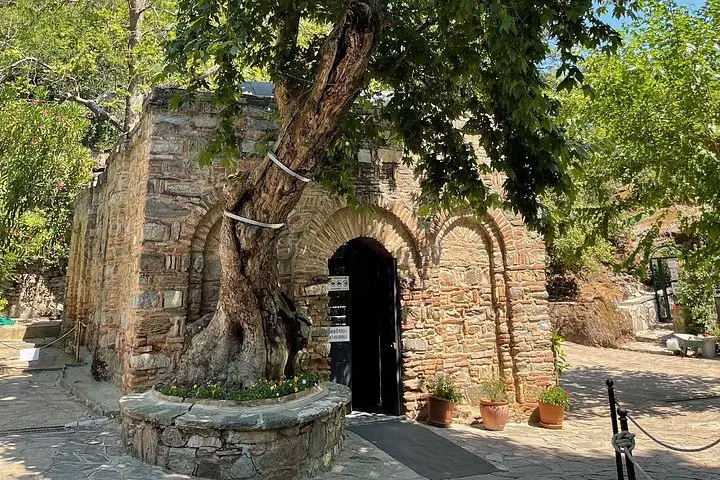
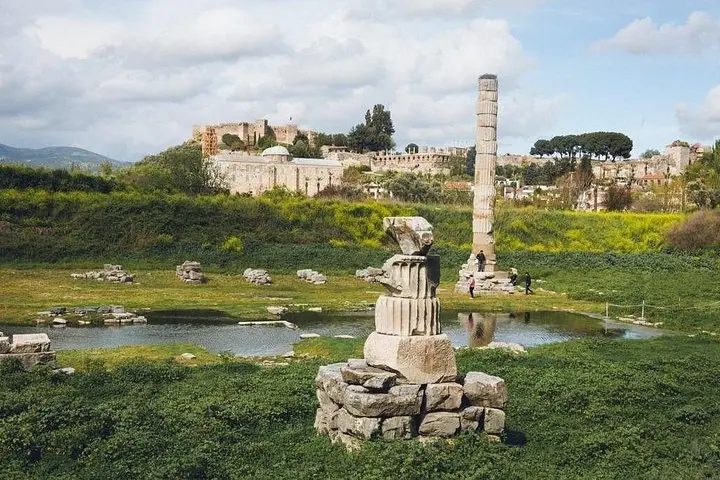
Ephesus grew from an Ionian settlement into a major Roman port and a cultural crossroads. Geologically, the site sits on alluvial plain once open to the sea; centuries of silting moved the coastline and preserved streets and stonework under layers of sand. Culturally, the city hosted early Christian figures — St. Paul preached here — and the nearby House of the Virgin Mary draws pilgrims. Terrace Houses, excavated since 1960, reveal domestic life with painted walls and detailed mosaics.
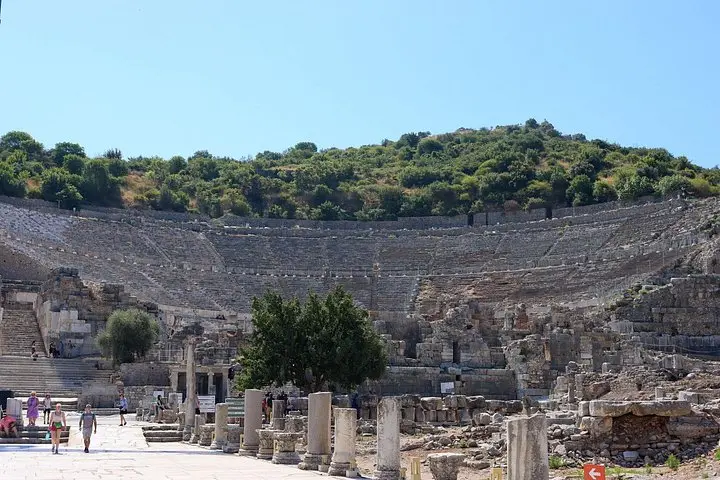
Expect uneven Roman paving, a steady climb to the Terrace Houses, and exposed sun in summer. The amphitheatre holds roughly 24,000 and offers a vertiginous view of the theatre’s stone bands. The guide’s commentary ties inscriptions and ruins to daily life, then steers you to local handicraft shops or a nearby village lunch if time allows.
Practically: the tour runs about 4–6 hours, designed for cruise schedules with guaranteed on-time return. Bring a refillable water bottle, sturdy shoes, sun protection, and plan to meet the guide 30–45 minutes after docking to avoid crowds and midday heat. Tickets can be skip-the-line for faster entry; confirm meeting time with the operator after booking.
Skip-the-line entrance tickets are offered as an option; check your booking option — otherwise tickets can be purchased at the site but may involve queues.
Yes — the itinerary is timed for shore visits and includes guaranteed on-time return to the ship; you should confirm exact pickup time after booking.
This private tour can be tailored; many groups add a local lunch in Selçuk or Şirince if time allows — request during booking.
Some areas (main thoroughfares) are accessible, but cobbles and steps at the Terrace Houses limit full access; the operator lists wheelchair-accessible transport and can advise specific access options.
Kusadasi Shore Excursions operates guided outdoor trips and adventures with an emphasis on safety, stewardship, and memorable experiences.
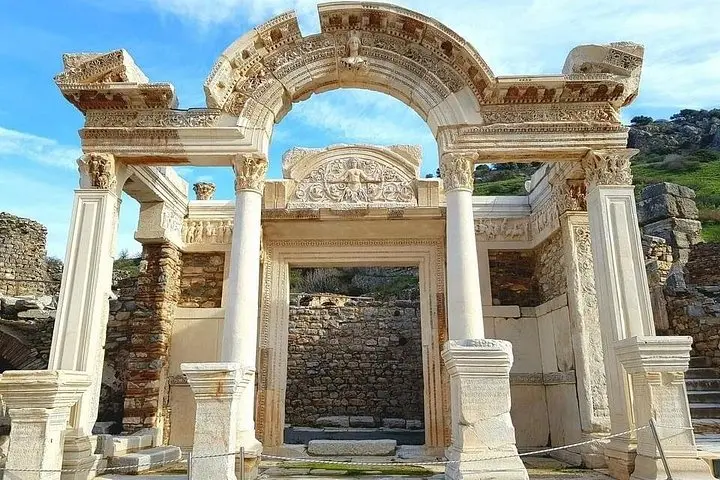
Step down from the ship into a dry Aegean breeze that seems to hurry visitors toward marble streets. On this private shore excursion, a local guide leads a focused walk through Ephesus’ main axis — Curetes Street, the Celcus façade, and the amphitheatre — then uphill to the Terrace Houses where frescoes and mosaics wait behind protective glass.
Step down from the ship into a dry Aegean breeze that seems to hurry visitors toward marble streets. On this private shore excursion, a local guide leads a focused walk through Ephesus’ main axis — Curetes Street, the Celcus façade, and the amphitheatre — then uphill to the Terrace Houses where frescoes and mosaics wait behind protective glass.
Ephesus grew from an Ionian settlement into a major Roman port and a cultural crossroads. Geologically, the site sits on alluvial plain once open to the sea; centuries of silting moved the coastline and preserved streets and stonework under layers of sand. Culturally, the city hosted early Christian figures — St. Paul preached here — and the nearby House of the Virgin Mary draws pilgrims. Terrace Houses, excavated since 1960, reveal domestic life with painted walls and detailed mosaics.
Expect uneven Roman paving, a steady climb to the Terrace Houses, and exposed sun in summer. The amphitheatre holds roughly 24,000 and offers a vertiginous view of the theatre’s stone bands. The guide’s commentary ties inscriptions and ruins to daily life, then steers you to local handicraft shops or a nearby village lunch if time allows.
Practically: the tour runs about 4–6 hours, designed for cruise schedules with guaranteed on-time return. Bring a refillable water bottle, sturdy shoes, sun protection, and plan to meet the guide 30–45 minutes after docking to avoid crowds and midday heat. Tickets can be skip-the-line for faster entry; confirm meeting time with the operator after booking.