THE ADVENTURE COLLECTIVE® · Independent discovery and booking for outdoor travel

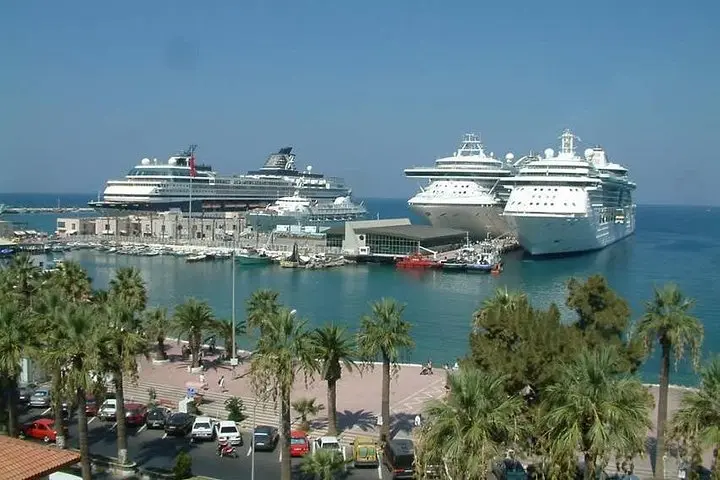
Disembark in Kusadasi and spend a private half-day walking through one of the Mediterranean’s best-preserved ancient cities. This tailored cruise excursion pairs licensed local guidance with flexible pacing to explore Ephesus’ highlights — Celsus, the Great Theater, and the Terrace Houses — then returns you on time to your ship.
Disembark in Kusadasi and spend a private half-day walking through one of the Mediterranean’s best-preserved ancient cities. This tailored cruise excursion pairs licensed local guidance with flexible pacing to explore Ephesus’ highlights — Celsus, the Great Theater, and the Terrace Houses — then returns you on time to your ship.
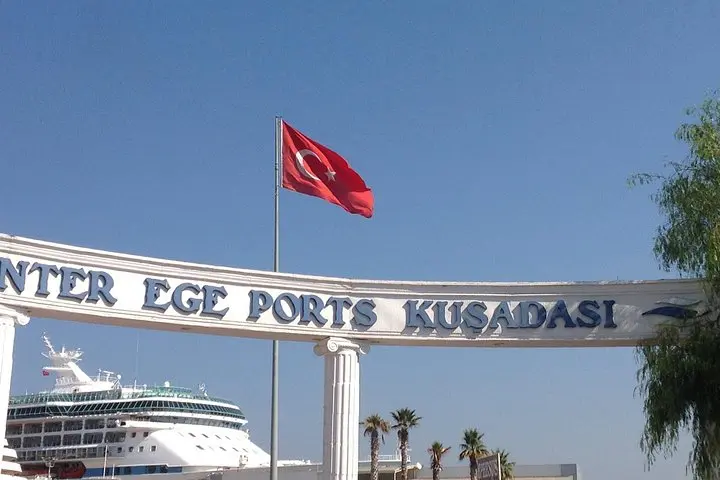
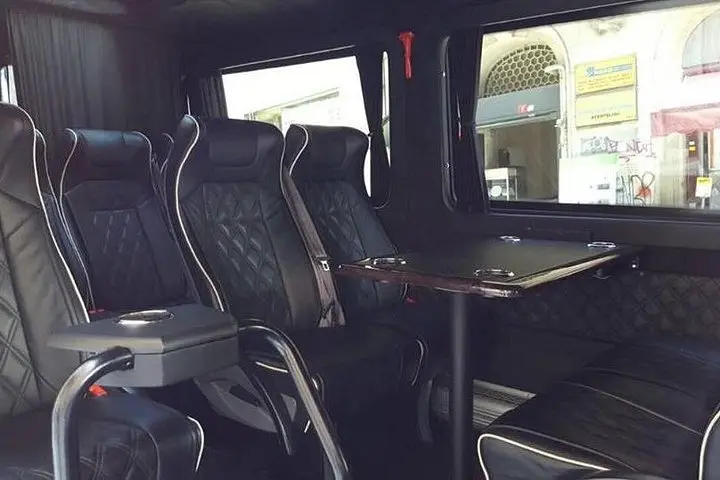
You step off the ship into the bright Aegean light and your guide is already there — a name card in hand, a van idling, olive groves sliding by as you head inland toward columns and sun-baked marble.
Verified experiences and guided adventures in the surrounding area.
Operated by Guide of Ephesus · Selçuk, Aydın
You step off the ship into the bright Aegean light and your guide is already there — a name card in hand, a van idling, olive groves sliding by as you head inland toward columns and sun-baked marble.
Ephesus unfolds as a city of angles and textures: the carved façade of the Celsus Library catching the sun, the Great Theater’s tiers still reverberating with imagined voices, and narrow streets imprinted with chariot wheel ruts. Founded by Ionian Greeks in the 6th century BC and remade under Roman rule, Ephesus was a major port on the Küçük Menderes plain and home to the Temple of Artemis — once one of the ancient world’s wonders.
Geology here is coastal alluvium; marble and local limestone were quarried and transported to form plazas and fountains that have outlived empires. Cultural layers stack visibly: Roman engineering in the hypocausts of Terrace Houses, Christian pilgrimage at the House of the Virgin Mary, Ottoman touches in nearby Selçuk. Local life still pulses in village markets where handwoven textiles and olive oil speak to living traditions.
Practically: this private tour runs about 5–6 hours and moves at a cruise-friendly pace with guaranteed return to port. Bring sturdy shoes for uneven marble, sun protection, and a refillable water bottle; expect open, exposed sections with limited shade. If you want to skip ticket lines, prepare small cash for your guide. Timing matters — early morning or late afternoon mean cooler light and fewer buses. With a licensed guide and private transport, the visit combines deep context with the rhythm of the ruins themselves.
The tour lasts about 5–6 hours (300–360 minutes) and includes guaranteed on-time return to Kusadasi cruise port; confirm your ship’s schedule when booking.
Admission is not included by default; guides can arrange skip-the-line tickets on request—typically paid in cash to the guide at the site.
Ephesus has uneven marble surfaces and stairways; accessibility is limited—contact the operator in advance to discuss possible adaptations or alternate viewpoints.
Yes — both are common add-ons; confirm in advance so the guide can allocate time and any additional entrance fees.
Guide of Ephesus operates guided outdoor trips and adventures with an emphasis on safety, stewardship, and memorable experiences.

You step off the ship into the bright Aegean light and your guide is already there — a name card in hand, a van idling, olive groves sliding by as you head inland toward columns and sun-baked marble.
You step off the ship into the bright Aegean light and your guide is already there — a name card in hand, a van idling, olive groves sliding by as you head inland toward columns and sun-baked marble.
Ephesus unfolds as a city of angles and textures: the carved façade of the Celsus Library catching the sun, the Great Theater’s tiers still reverberating with imagined voices, and narrow streets imprinted with chariot wheel ruts. Founded by Ionian Greeks in the 6th century BC and remade under Roman rule, Ephesus was a major port on the Küçük Menderes plain and home to the Temple of Artemis — once one of the ancient world’s wonders.
Geology here is coastal alluvium; marble and local limestone were quarried and transported to form plazas and fountains that have outlived empires. Cultural layers stack visibly: Roman engineering in the hypocausts of Terrace Houses, Christian pilgrimage at the House of the Virgin Mary, Ottoman touches in nearby Selçuk. Local life still pulses in village markets where handwoven textiles and olive oil speak to living traditions.
Practically: this private tour runs about 5–6 hours and moves at a cruise-friendly pace with guaranteed return to port. Bring sturdy shoes for uneven marble, sun protection, and a refillable water bottle; expect open, exposed sections with limited shade. If you want to skip ticket lines, prepare small cash for your guide. Timing matters — early morning or late afternoon mean cooler light and fewer buses. With a licensed guide and private transport, the visit combines deep context with the rhythm of the ruins themselves.