THE ADVENTURE COLLECTIVE® · Independent discovery and booking for outdoor travel

Spend a private day moving from Neolithic stone circles to Évora’s Roman temple and a working cork factory. This 6–8 hour tour blends archaeology, architecture, and rural industry with door-to-door transport.
Spend a private day moving from Neolithic stone circles to Évora’s Roman temple and a working cork factory. This 6–8 hour tour blends archaeology, architecture, and rural industry with door-to-door transport.
You arrive on a low sun over Alentejo—gold fields rolling away from a white-washed city crowned with stone towers. The driver eases into a shaded lane and suddenly the past feels present: circular stones stand like deliberate punctuation on the prairie, and cork oaks spread their rugged arms across the hills.
Verified experiences and guided adventures in the surrounding area.
Operated by Grand Ventours · Évora, Alentejo
You arrive on a low sun over Alentejo—gold fields rolling away from a white-washed city crowned with stone towers. The driver eases into a shaded lane and suddenly the past feels present: circular stones stand like deliberate punctuation on the prairie, and cork oaks spread their rugged arms across the hills.
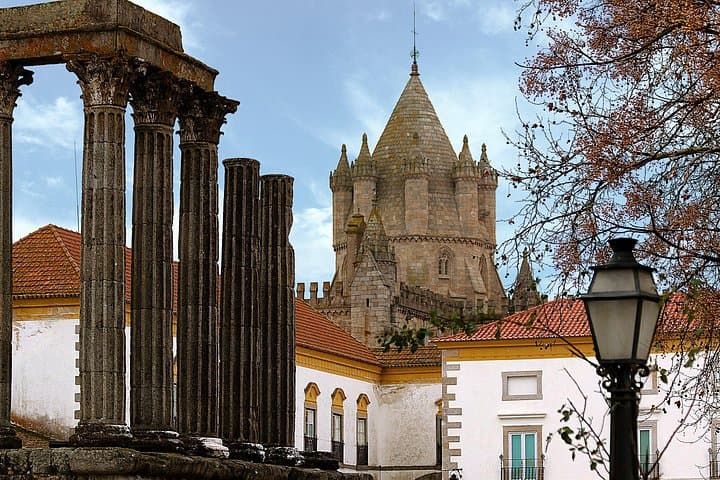
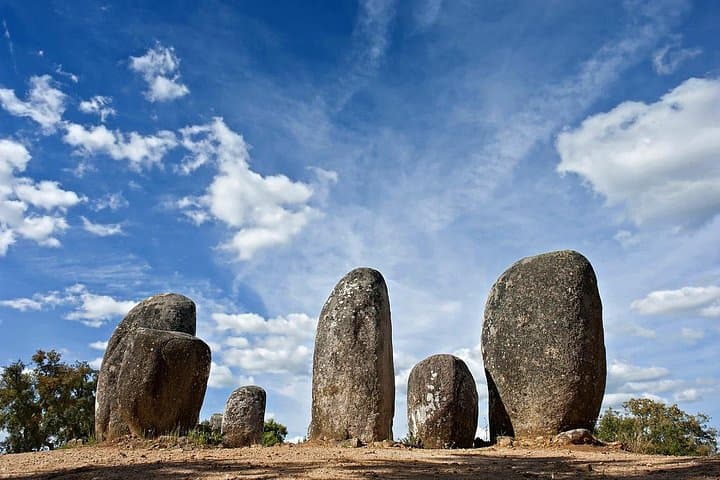
The day moves from the Neolithic to Roman and medieval layers. At Almendres Cromlech you walk among standing stones older than the pyramids, their weathered surfaces recording millennia of wind and lichen. In Évora’s compact UNESCO core the Roman Temple’s columns poke through a modern plaza while the Gothic Sé and its rooftop terraces track the city’s rise through Iberian history. The Capela dos Ossos confronts mortality with a quiet, unsettling honesty rooted in 16th-century ecclesiastical practice.
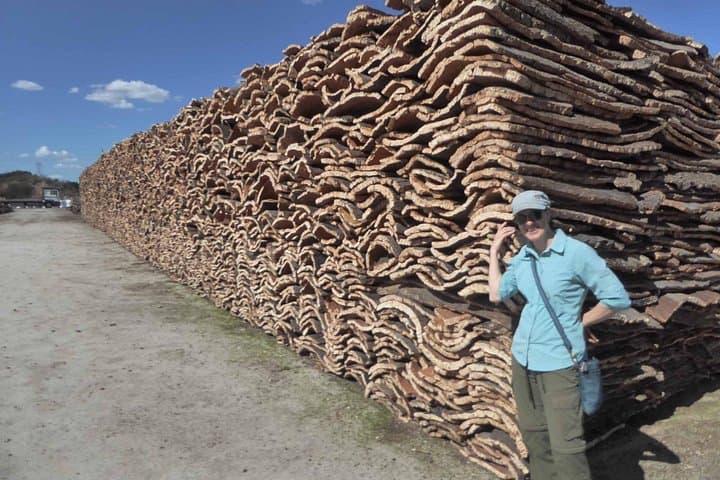
Geology here is simple and honest: schist and granite under a shallow soil that favours cork oak and cereal cultivation. Cork production is both craft and economy—visit a Cortiçarte workshop to see bark transformed into stoppers and fashion, a process as tactile as it is sustainable.
Practical notes: the full private tour runs roughly 6–8 hours with hotel pickup, so start hydrated and in comfortable shoes for cobbled streets and short field walks. Expect light walking, sun exposure, and intermittent gravel underfoot; bring sun protection and a small daypack. Meals are typically at a regional restaurant—reserve dietary notes ahead.
This is a low-impact, high-context day: you’ll leave with a sequence of environments—stone rings, urban archaeology, and working cork groves—that together tell Alentejo’s long story.
Most site admissions, including the Capela dos Ossos and cathedral terraces, are not included—your guide will advise where to buy tickets locally.
Yes—transport accommodates strollers and infants; however some historic sites have steps and uneven surfaces that can limit access.
Yes—this private itinerary includes a stop at a working cork workshop where visitors learn about harvest and production; shop purchases are optional.
Expect light walking: short field walks at megalithic sites and moderate walking through Évora’s historic center, generally accessible for most fitness levels.
Grand Ventours operates guided outdoor trips and adventures with an emphasis on safety, stewardship, and memorable experiences.

You arrive on a low sun over Alentejo—gold fields rolling away from a white-washed city crowned with stone towers. The driver eases into a shaded lane and suddenly the past feels present: circular stones stand like deliberate punctuation on the prairie, and cork oaks spread their rugged arms across the hills.
You arrive on a low sun over Alentejo—gold fields rolling away from a white-washed city crowned with stone towers. The driver eases into a shaded lane and suddenly the past feels present: circular stones stand like deliberate punctuation on the prairie, and cork oaks spread their rugged arms across the hills.
The day moves from the Neolithic to Roman and medieval layers. At Almendres Cromlech you walk among standing stones older than the pyramids, their weathered surfaces recording millennia of wind and lichen. In Évora’s compact UNESCO core the Roman Temple’s columns poke through a modern plaza while the Gothic Sé and its rooftop terraces track the city’s rise through Iberian history. The Capela dos Ossos confronts mortality with a quiet, unsettling honesty rooted in 16th-century ecclesiastical practice.
Geology here is simple and honest: schist and granite under a shallow soil that favours cork oak and cereal cultivation. Cork production is both craft and economy—visit a Cortiçarte workshop to see bark transformed into stoppers and fashion, a process as tactile as it is sustainable.
Practical notes: the full private tour runs roughly 6–8 hours with hotel pickup, so start hydrated and in comfortable shoes for cobbled streets and short field walks. Expect light walking, sun exposure, and intermittent gravel underfoot; bring sun protection and a small daypack. Meals are typically at a regional restaurant—reserve dietary notes ahead.
This is a low-impact, high-context day: you’ll leave with a sequence of environments—stone rings, urban archaeology, and working cork groves—that together tell Alentejo’s long story.