THE ADVENTURE COLLECTIVE® · Independent discovery and booking for outdoor travel

Explore centuries of rule and a modern ghost town on a private six‑hour walking tour of Famagusta and Varosha. Learn architectural and political history while walking cobblestone streets and viewing abandoned coastal resorts.
Explore centuries of rule and a modern ghost town on a private six‑hour walking tour of Famagusta and Varosha. Learn architectural and political history while walking cobblestone streets and viewing abandoned coastal resorts.
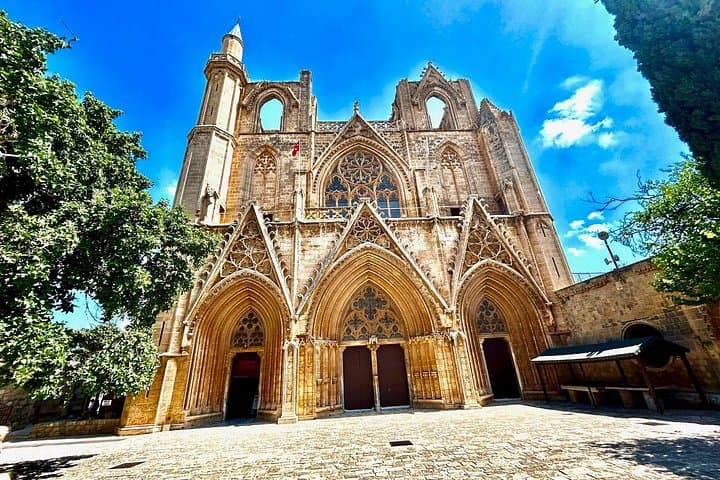
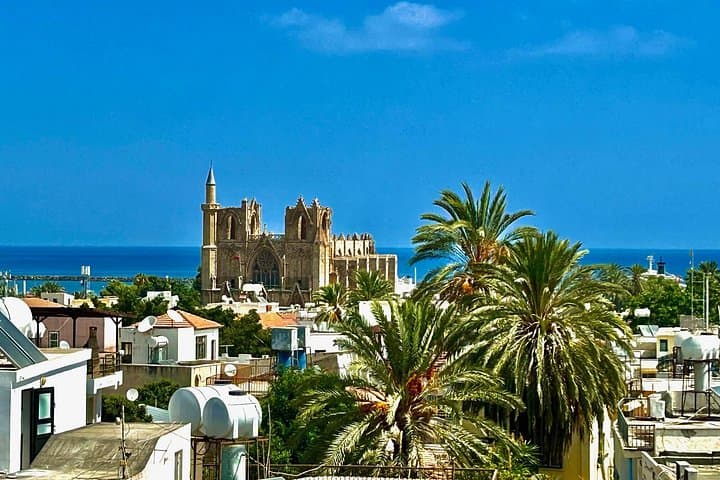
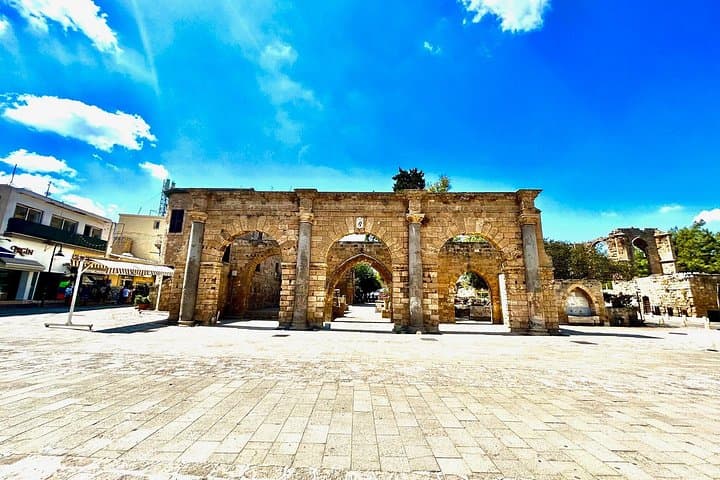
You step off an air‑conditioned vehicle into a stretch of sunlit cobblestone where the city keeps its stories in stone and salt. Narrow lanes open onto lofty walls; a former cathedral now wears minarets and marble shadows fall across plaques of different empires. The guide’s voice threads together Venetian ramparts, Ottoman renovations, and British maps as you move from Othello Castle toward the shoreline where Varosha’s silent facades stare back at the sea.
Verified experiences and guided adventures in the surrounding area.
Operated by SanCyTours · Famagusta, Famagusta District
You step off an air‑conditioned vehicle into a stretch of sunlit cobblestone where the city keeps its stories in stone and salt. Narrow lanes open onto lofty walls; a former cathedral now wears minarets and marble shadows fall across plaques of different empires. The guide’s voice threads together Venetian ramparts, Ottoman renovations, and British maps as you move from Othello Castle toward the shoreline where Varosha’s silent facades stare back at the sea.
Famagusta’s architecture reflects seismic shifts in power and trade—fortified walls designed against cannon fire, Gothic arches adapted into mosque portals, and streets that once funneled pilgrims and merchants. Geology here is coastal limestone that erodes into cliffs and soft coves; the city’s harbor and nearby Salamis ruins speak to a port landscape that has long shaped local life. Varosha, abandoned since 1974, is a living snapshot of mid‑20th‑century resort planning: hotels, shops, and boulevards stopped mid‑stride, their materials salted by wind and time.
Expect walking on uneven paving and short staircases, with historic interiors and exterior viewpoints. Your private guide provides context for contested spaces, and advises respectful photography and adherence to restricted zones. Hydrate frequently in summer; wear sturdy shoes for cobbles and bring a lightweight layer for sea breezes.
Practicalities: tours typically run six hours, include bottled water and private transport, and may require ID for entry. This is a contemplative, low‑impact excursion for history-minded travelers who want an intimate look at Cyprus’s layered past.
Guided visits follow current access rules; your guide will keep you in approved public or supervised areas—avoid unsanctioned entry.
This private tour description notes admissions included for key sites; confirm specific sites and fees with the operator when booking.
It’s rated easy: expect several hours of walking on uneven ground with short stair climbs, suitable for most fitness levels.
Bottled water is included; consider bringing light snacks if you have long stretches between stops or dietary needs.
SanCyTours operates guided outdoor trips and adventures with an emphasis on safety, stewardship, and memorable experiences.

You step off an air‑conditioned vehicle into a stretch of sunlit cobblestone where the city keeps its stories in stone and salt. Narrow lanes open onto lofty walls; a former cathedral now wears minarets and marble shadows fall across plaques of different empires. The guide’s voice threads together Venetian ramparts, Ottoman renovations, and British maps as you move from Othello Castle toward the shoreline where Varosha’s silent facades stare back at the sea.
You step off an air‑conditioned vehicle into a stretch of sunlit cobblestone where the city keeps its stories in stone and salt. Narrow lanes open onto lofty walls; a former cathedral now wears minarets and marble shadows fall across plaques of different empires. The guide’s voice threads together Venetian ramparts, Ottoman renovations, and British maps as you move from Othello Castle toward the shoreline where Varosha’s silent facades stare back at the sea.
Famagusta’s architecture reflects seismic shifts in power and trade—fortified walls designed against cannon fire, Gothic arches adapted into mosque portals, and streets that once funneled pilgrims and merchants. Geology here is coastal limestone that erodes into cliffs and soft coves; the city’s harbor and nearby Salamis ruins speak to a port landscape that has long shaped local life. Varosha, abandoned since 1974, is a living snapshot of mid‑20th‑century resort planning: hotels, shops, and boulevards stopped mid‑stride, their materials salted by wind and time.
Expect walking on uneven paving and short staircases, with historic interiors and exterior viewpoints. Your private guide provides context for contested spaces, and advises respectful photography and adherence to restricted zones. Hydrate frequently in summer; wear sturdy shoes for cobbles and bring a lightweight layer for sea breezes.
Practicalities: tours typically run six hours, include bottled water and private transport, and may require ID for entry. This is a contemplative, low‑impact excursion for history-minded travelers who want an intimate look at Cyprus’s layered past.