THE ADVENTURE COLLECTIVE® · Independent discovery and booking for outdoor travel

Walk the raised streets of the French Quarter and the music-soaked blocks of Treme on a private 2–2.5 hour tour. Discover Creole history, architectural quirks and where jazz first found its voice—all at a relaxed pace tailored to your interests.
Walk the raised streets of the French Quarter and the music-soaked blocks of Treme on a private 2–2.5 hour tour. Discover Creole history, architectural quirks and where jazz first found its voice—all at a relaxed pace tailored to your interests.
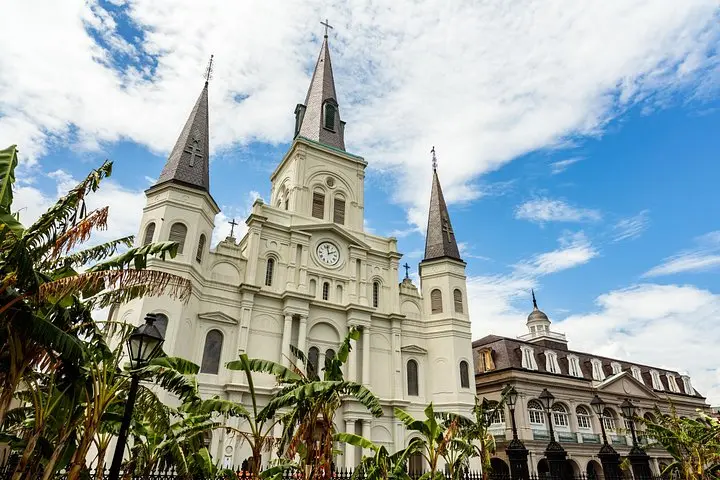
You step off the courthouse steps and the city speaks: brass from a distant rehearsal, the Mississippi’s breath on the air, and cobblestones that remember a century of footfalls.
Verified experiences and guided adventures in the surrounding area.
Operated by Soul of Nola · New Orleans, Louisiana
You step off the courthouse steps and the city speaks: brass from a distant rehearsal, the Mississippi’s breath on the air, and cobblestones that remember a century of footfalls.
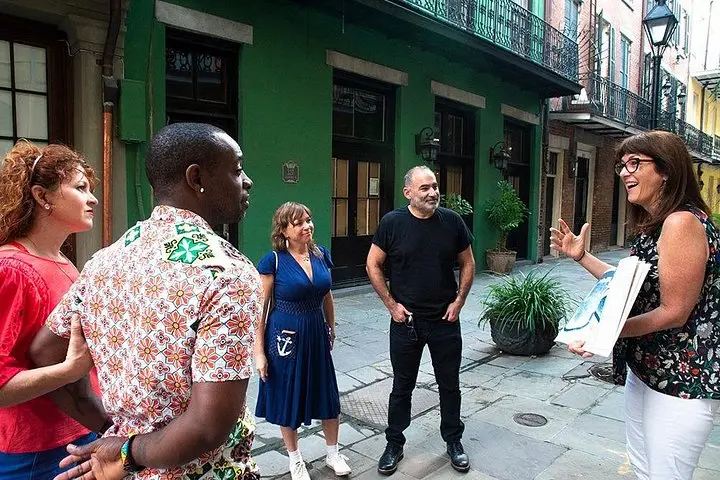
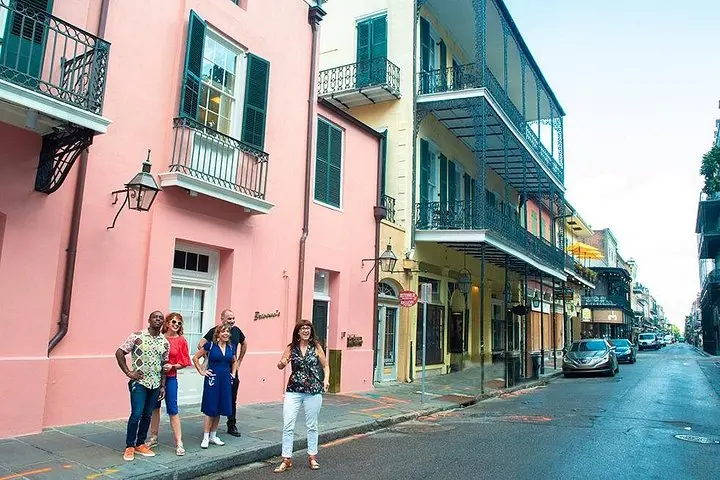
On this private 2–2.5 hour walking tour you follow narrow lanes through the French Quarter’s raised blocks — a natural levee formed by the river — then cross into Treme, where porches, shotgun houses, and stoops are archives of daily life. Guides recount how Creoles and Free People of Color shaped commerce, law and music here; the streets themselves reflect Spanish, French and American building codes that reset the Quarter after fires and floods.
Geology and climate are part of the story: the Quarter sits on higher ground compared with surrounding marshes, which is why it was first settled. In Treme, the conversation turns to rhythm. Congo Square’s open air gatherings and church choirs helped turn local brass and blues into early jazz, a musical form that still colors the neighborhood.
Expect a paced, interpretive walk of about two miles with frequent stops for architecture, anecdotes and music history tailored to your interests. Practicalities: bring comfortable shoes for uneven sidewalks, a refillable water bottle, sun protection and a light rain layer in summer. Morning or late afternoon tours avoid the hottest hours and connect you with live music windows on Frenchmen Street.
This is a private, flexible experience—ideal for first-time visitors who want history with a soundtrack, or repeat visitors looking for deeper local stories and quieter corners away from the main parade routes.
Tours typically start at the courthouse steps and end flexibly within the Quarter or Treme; guides will confirm the exact meeting spot on booking.
The tour is stroller-accessible and suitable for most fitness levels, but uneven sidewalks and occasional steps may present challenges—notify the operator of special requirements.
Expect up to two miles of walking over approximately 2–2.5 hours with frequent stops for discussion and photos.
Yes—tipping 15–20% of the tour price or $10–20 per person for private tours is customary for good service.
Soul of Nola operates guided outdoor trips and adventures with an emphasis on safety, stewardship, and memorable experiences.
You step off the courthouse steps and the city speaks: brass from a distant rehearsal, the Mississippi’s breath on the air, and cobblestones that remember a century of footfalls.
You step off the courthouse steps and the city speaks: brass from a distant rehearsal, the Mississippi’s breath on the air, and cobblestones that remember a century of footfalls.
On this private 2–2.5 hour walking tour you follow narrow lanes through the French Quarter’s raised blocks — a natural levee formed by the river — then cross into Treme, where porches, shotgun houses, and stoops are archives of daily life. Guides recount how Creoles and Free People of Color shaped commerce, law and music here; the streets themselves reflect Spanish, French and American building codes that reset the Quarter after fires and floods.
Geology and climate are part of the story: the Quarter sits on higher ground compared with surrounding marshes, which is why it was first settled. In Treme, the conversation turns to rhythm. Congo Square’s open air gatherings and church choirs helped turn local brass and blues into early jazz, a musical form that still colors the neighborhood.
Expect a paced, interpretive walk of about two miles with frequent stops for architecture, anecdotes and music history tailored to your interests. Practicalities: bring comfortable shoes for uneven sidewalks, a refillable water bottle, sun protection and a light rain layer in summer. Morning or late afternoon tours avoid the hottest hours and connect you with live music windows on Frenchmen Street.
This is a private, flexible experience—ideal for first-time visitors who want history with a soundtrack, or repeat visitors looking for deeper local stories and quieter corners away from the main parade routes.