THE ADVENTURE COLLECTIVE® · Independent discovery and booking for outdoor travel

Walk the French Quarter with a local lore expert to explore Marie Laveau’s streets, voodoo sites, and the history-steeped Crescent City gathering place of Congo Square. This private, 90-minute tour blends architectural detail with cultural context for a focused, intimate introduction to New Orleans’ living history.
Walk the French Quarter with a local lore expert to explore Marie Laveau’s streets, voodoo sites, and the history-steeped Crescent City gathering place of Congo Square. This private, 90-minute tour blends architectural detail with cultural context for a focused, intimate introduction to New Orleans’ living history.
The guide steps out of Witches Brew Gallery and into a street that still argues with its past. Shadows from cast-iron balconies fall across cracked sidewalks, and the voices of the French Quarter—tourists, street musicians, and the distant clatter of a trolley—frame the first stories. For 90 minutes, this private walk threads between carved tomb facades, colorful Creole townhouses, and the small, muted plaques that mark where legends like Marie Laveau once lived and worked.
Verified experiences and guided adventures in the surrounding area.
Operated by Witches Brew Tours · New Orleans, Louisiana
The guide steps out of Witches Brew Gallery and into a street that still argues with its past. Shadows from cast-iron balconies fall across cracked sidewalks, and the voices of the French Quarter—tourists, street musicians, and the distant clatter of a trolley—frame the first stories. For 90 minutes, this private walk threads between carved tomb facades, colorful Creole townhouses, and the small, muted plaques that mark where legends like Marie Laveau once lived and worked.
The Quarter’s architecture is practical history: shotgun houses and Creole townhouses reflect immigrant influences and hurricane-era adaptations, while above-ground tombs answer the city’s watery geology and high water table. Congo Square, a short stroll away in Tremé, opens into a different register of memory—an open place where enslaved people gathered on Sundays to sing, drum, and retain cultural practices that would seed jazz and brass-band traditions.
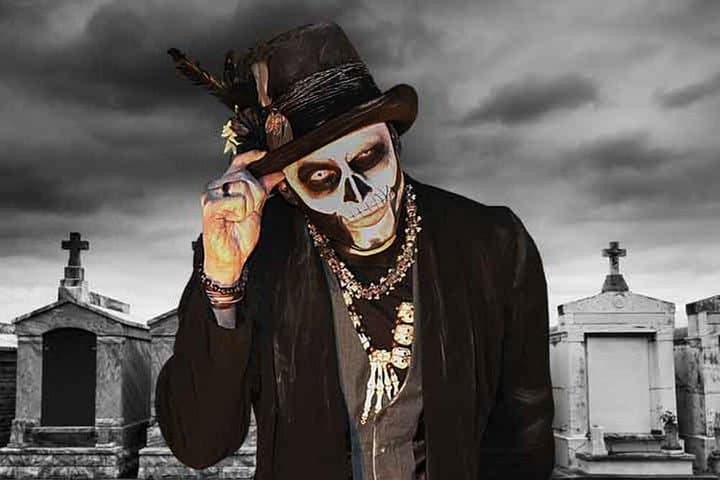
Local lore is the tour’s terrain. Guides explain voodoo’s roots as a syncretic spiritual system that combined West African religions with Catholic rites under colonial rule. Marie Laveau’s life is told with civic detail—her social role, legal records, and how her reputation expanded into myth. The tour also touches on the city’s fraught history: colonial contests, racial segregation, and the resilience of neighborhoods like Tremé, which shaped New Orleans’ music and cultural life.
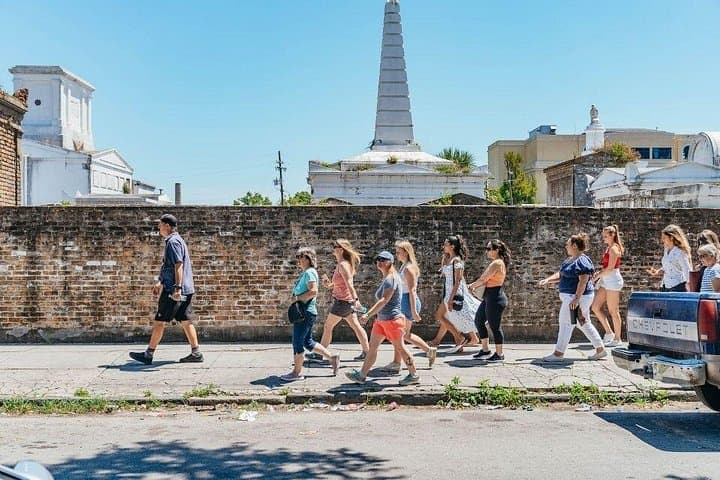
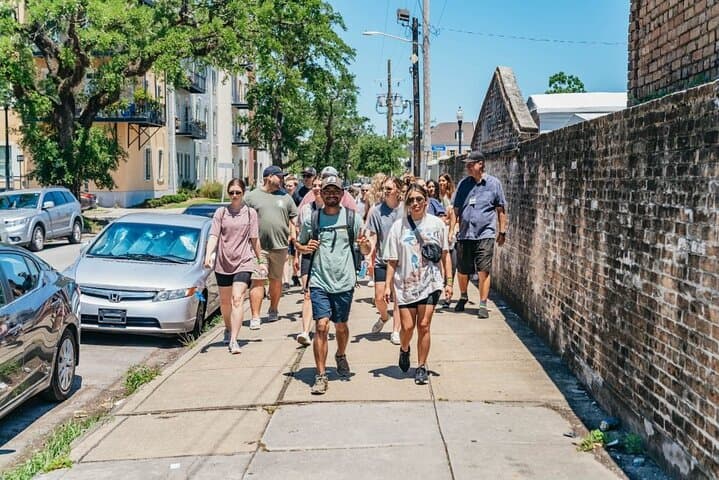
Practicality grounds the storytelling. Expect to walk about one mile at a leisurely pace across mostly flat, uneven brick and sidewalk. The group size is private—up to 16—and the operator keeps tours smaller for intimacy. Guides are city-licensed and will narrate both architecture and lore while stopping at storefronts like Voodoo Authentica and key viewpoints at Jackson Square and Congo Square.
Plan for heat and crowds. Summer humidity can make 90 minutes feel longer; winter evenings shorten light but add atmosphere. Public restrooms in the Quarter are limited, so plan bathroom stops beforehand. Masks may be required; operators screen temperatures and enforce health protocols when necessary.
The experience rewards curious questions and respectful photography. Listen to the guide’s cues around sensitive sites—tomb culture and sacred spaces have rules—and tip guides who bring history alive.
In short, this private walking tour balances theatrical storytelling with grounded urban history. It’s a compact, informative way to walk the lines where religion, music, and architecture meet in New Orleans—and to leave with a clearer picture of how the city’s past still shapes its streets.
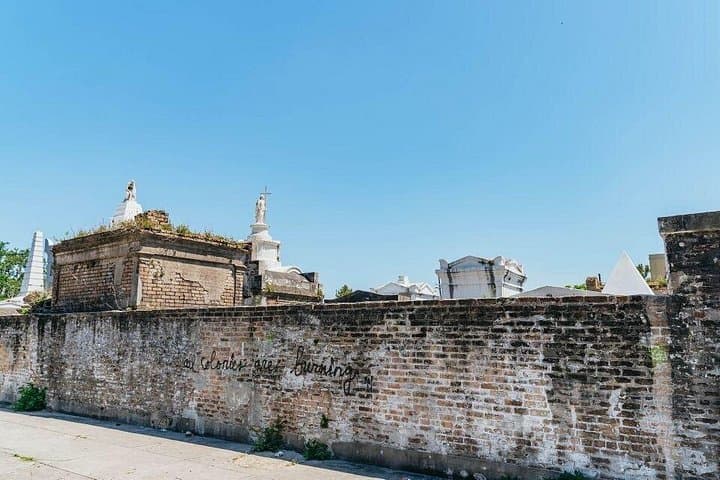
No — this tour visits the outside of St. Louis Cemetery No.1 and discusses grave culture, but it does not include cemetery entry.
Meet at Witches Brew Gallery & Haunted Sanctuary; arrive 15–30 minutes early to check in and complete any health screening.
The French Quarter’s sidewalks and cobblestones present accessibility challenges; contact the operator to discuss accommodations before booking.
Groups are private for up to 16 travelers, which preserves an intimate experience and allows time for questions.
Yes — all guides for this operator are licensed by the City of New Orleans and trained in local history and lore.
For a full refund cancel at least 24 hours before departure; cancellations within 24 hours are non-refundable.
Witches Brew Tours operates guided outdoor trips and adventures with an emphasis on safety, stewardship, and memorable experiences.
The guide steps out of Witches Brew Gallery and into a street that still argues with its past. Shadows from cast-iron balconies fall across cracked sidewalks, and the voices of the French Quarter—tourists, street musicians, and the distant clatter of a trolley—frame the first stories. For 90 minutes, this private walk threads between carved tomb facades, colorful Creole townhouses, and the small, muted plaques that mark where legends like Marie Laveau once lived and worked.
The guide steps out of Witches Brew Gallery and into a street that still argues with its past. Shadows from cast-iron balconies fall across cracked sidewalks, and the voices of the French Quarter—tourists, street musicians, and the distant clatter of a trolley—frame the first stories. For 90 minutes, this private walk threads between carved tomb facades, colorful Creole townhouses, and the small, muted plaques that mark where legends like Marie Laveau once lived and worked.
The Quarter’s architecture is practical history: shotgun houses and Creole townhouses reflect immigrant influences and hurricane-era adaptations, while above-ground tombs answer the city’s watery geology and high water table. Congo Square, a short stroll away in Tremé, opens into a different register of memory—an open place where enslaved people gathered on Sundays to sing, drum, and retain cultural practices that would seed jazz and brass-band traditions.
Local lore is the tour’s terrain. Guides explain voodoo’s roots as a syncretic spiritual system that combined West African religions with Catholic rites under colonial rule. Marie Laveau’s life is told with civic detail—her social role, legal records, and how her reputation expanded into myth. The tour also touches on the city’s fraught history: colonial contests, racial segregation, and the resilience of neighborhoods like Tremé, which shaped New Orleans’ music and cultural life.
Practicality grounds the storytelling. Expect to walk about one mile at a leisurely pace across mostly flat, uneven brick and sidewalk. The group size is private—up to 16—and the operator keeps tours smaller for intimacy. Guides are city-licensed and will narrate both architecture and lore while stopping at storefronts like Voodoo Authentica and key viewpoints at Jackson Square and Congo Square.
Plan for heat and crowds. Summer humidity can make 90 minutes feel longer; winter evenings shorten light but add atmosphere. Public restrooms in the Quarter are limited, so plan bathroom stops beforehand. Masks may be required; operators screen temperatures and enforce health protocols when necessary.
The experience rewards curious questions and respectful photography. Listen to the guide’s cues around sensitive sites—tomb culture and sacred spaces have rules—and tip guides who bring history alive.
In short, this private walking tour balances theatrical storytelling with grounded urban history. It’s a compact, informative way to walk the lines where religion, music, and architecture meet in New Orleans—and to leave with a clearer picture of how the city’s past still shapes its streets.