THE ADVENTURE COLLECTIVE® · Independent discovery and booking for outdoor travel

Walk the French Quarter with a licensed guide who links jazz, Creole culture, and voodoo to the streets, squares, and hidden courtyards of New Orleans. Choose a 2- or 3-hour private tour to match your interest and stamina for an intimate, informed look at the city’s historic core.
Walk the French Quarter with a licensed guide who links jazz, Creole culture, and voodoo to the streets, squares, and hidden courtyards of New Orleans. Choose a 2- or 3-hour private tour to match your interest and stamina for an intimate, informed look at the city’s historic core.
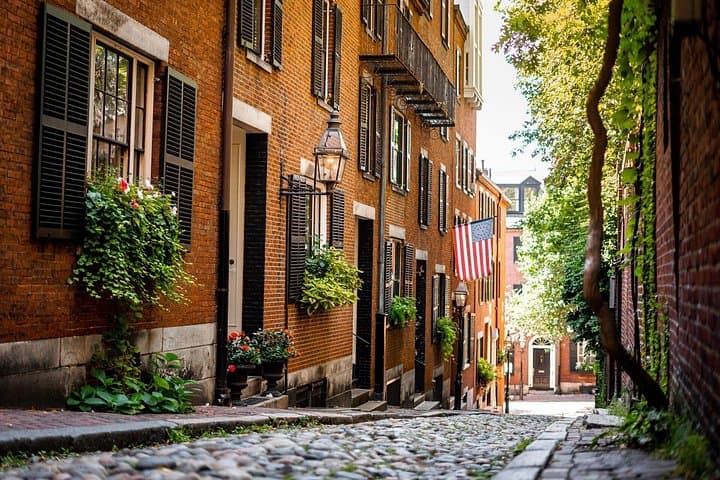
The street smells of frying beignets and hot coffee as you step off Canal Street and into a maze of iron balconies and narrow, sun-dusted alleys. Bourbon Street hums behind you; ahead, the river winds like an old story, pressing its presence into the city’s rhythm. Your guide threads you past shuttered courtyards and ornate doorways, each building a page in New Orleans’ long, complicated book.
Verified experiences and guided adventures in the surrounding area.
Operated by New York City Tours · New Orleans, Louisiana
The street smells of frying beignets and hot coffee as you step off Canal Street and into a maze of iron balconies and narrow, sun-dusted alleys. Bourbon Street hums behind you; ahead, the river winds like an old story, pressing its presence into the city’s rhythm. Your guide threads you past shuttered courtyards and ornate doorways, each building a page in New Orleans’ long, complicated book.
Founded in 1718, the French Quarter preserves layered histories: French and Spanish colonial plans, Creole domestic life, and the African and Caribbean roots that shaped jazz and spiritual practices like voodoo. The district sits on low-lying ground beside the Mississippi River; levees and raised streets are reminders of the city’s ongoing dance with water and subsidence.
Cultural touchstones—St. Louis Cathedral, Jackson Square, the Cabildo—offer architecture and stories: revolutions, parish life, and civic reinvention. Congo Square in Louis Armstrong Park gives the clearest echo of West African performance traditions that fed early jazz. Preservation Hall’s muted brass and the Voodoo Museum’s artifacts are small portals into those living traditions.
Practical guidance: choose the 2- or 3-hour option based on curiosity and stamina; expect 1–2 miles on uneven brick and some steps. Morning or late-afternoon tours avoid peak heat and crowds; wear comfortable shoes, carry water, and bring a light rain layer—the tour runs rain or shine. Guides tailor routes and can recommend nearby eateries or spots to catch a live set after the walk. For a focused, contextual primer on New Orleans’ past and present, this private tour balances storytelling with a pragmatic pace that gets you where the city’s stories still live.
Meet in front of the New Orleans Marriott at 555 Canal St; do not enter the hotel—your guide will be waiting outside.
Yes, the operator lists wheelchair accessibility, but notify the operator in advance for accommodations and any alternative routing.
No—museum or performance admissions, food, and drinks are not included; your guide can recommend where to buy tickets or dine.
Yes—private tours offer licensed guides in multiple languages and the operator asks for special requests at booking.
New York City Tours operates guided outdoor trips and adventures with an emphasis on safety, stewardship, and memorable experiences.
The street smells of frying beignets and hot coffee as you step off Canal Street and into a maze of iron balconies and narrow, sun-dusted alleys. Bourbon Street hums behind you; ahead, the river winds like an old story, pressing its presence into the city’s rhythm. Your guide threads you past shuttered courtyards and ornate doorways, each building a page in New Orleans’ long, complicated book.
The street smells of frying beignets and hot coffee as you step off Canal Street and into a maze of iron balconies and narrow, sun-dusted alleys. Bourbon Street hums behind you; ahead, the river winds like an old story, pressing its presence into the city’s rhythm. Your guide threads you past shuttered courtyards and ornate doorways, each building a page in New Orleans’ long, complicated book.
Founded in 1718, the French Quarter preserves layered histories: French and Spanish colonial plans, Creole domestic life, and the African and Caribbean roots that shaped jazz and spiritual practices like voodoo. The district sits on low-lying ground beside the Mississippi River; levees and raised streets are reminders of the city’s ongoing dance with water and subsidence.
Cultural touchstones—St. Louis Cathedral, Jackson Square, the Cabildo—offer architecture and stories: revolutions, parish life, and civic reinvention. Congo Square in Louis Armstrong Park gives the clearest echo of West African performance traditions that fed early jazz. Preservation Hall’s muted brass and the Voodoo Museum’s artifacts are small portals into those living traditions.
Practical guidance: choose the 2- or 3-hour option based on curiosity and stamina; expect 1–2 miles on uneven brick and some steps. Morning or late-afternoon tours avoid peak heat and crowds; wear comfortable shoes, carry water, and bring a light rain layer—the tour runs rain or shine. Guides tailor routes and can recommend nearby eateries or spots to catch a live set after the walk. For a focused, contextual primer on New Orleans’ past and present, this private tour balances storytelling with a pragmatic pace that gets you where the city’s stories still live.