THE ADVENTURE COLLECTIVE® · Independent discovery and booking for outdoor travel

Visit Friguia Parc’s 36 hectares of semi‑free enclosures and then stroll Hammamet’s historic medina on a private, full‑day trip from Tunis. This six‑hour excursion blends up‑close wildlife viewing with cultural stops and a included lunch.
Visit Friguia Parc’s 36 hectares of semi‑free enclosures and then stroll Hammamet’s historic medina on a private, full‑day trip from Tunis. This six‑hour excursion blends up‑close wildlife viewing with cultural stops and a included lunch.
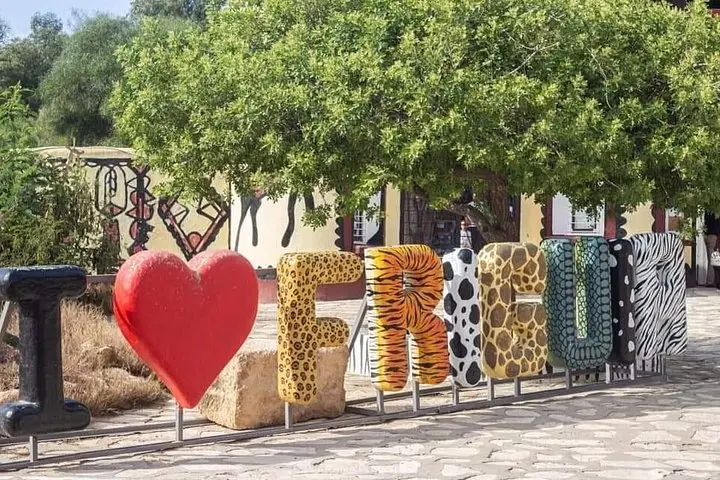
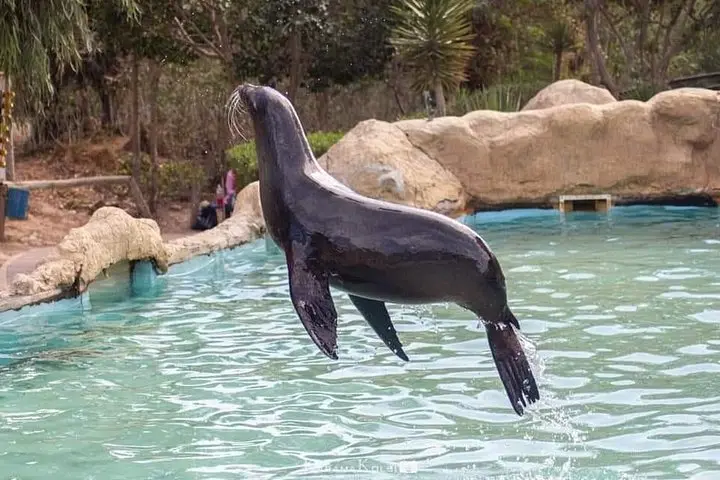
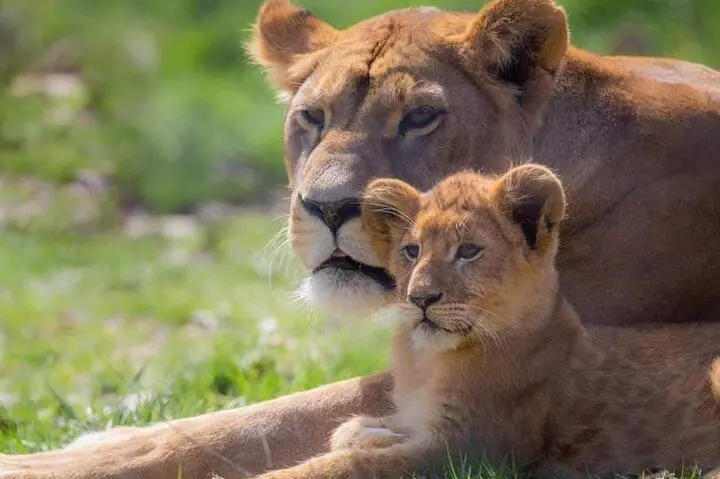
You step out of an air‑conditioned minivan into a Mediterranean breeze that seems to push you toward the enclosures: palm groves, low pines and a ribbon of gravel paths that divide 36 hectares of habitat. Friguia Parc sits near the Gulf of Hammamet; the calls of birds and the occasional bark of a sea lion shape the soundscape as guides shepherd small groups past lemurs, camels and lion cubs.
Verified experiences and guided adventures in the surrounding area.
Operated by Didon tours · Hammamet, Nabeul
You step out of an air‑conditioned minivan into a Mediterranean breeze that seems to push you toward the enclosures: palm groves, low pines and a ribbon of gravel paths that divide 36 hectares of habitat. Friguia Parc sits near the Gulf of Hammamet; the calls of birds and the occasional bark of a sea lion shape the soundscape as guides shepherd small groups past lemurs, camels and lion cubs.
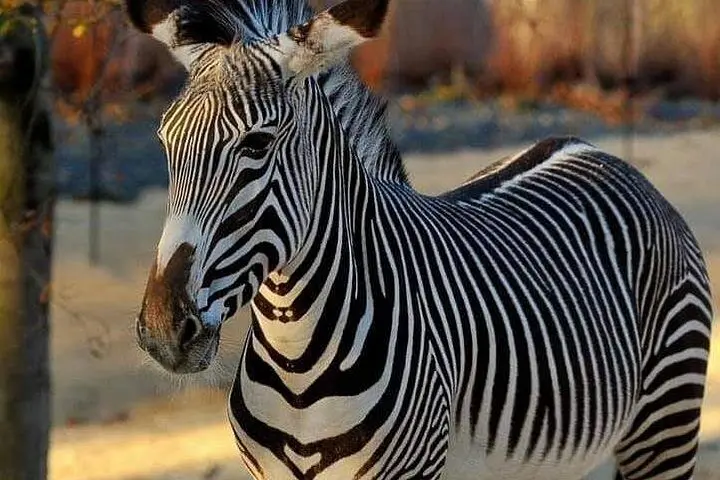
Opened in 2000, Friguia was built to showcase North African and global species in large, semi‑free enclosures. The park pairs animal viewing with cultural touches — African folk shows and sea‑lion demonstrations — while the nearby Medina of Hammamet preserves centuries of coastal trade, pottery and souk life that travelers can explore after lunch.
Geologically the coast unrolls into low limestone and alluvial terraces; walking here is flat and accessible, with shade in many exhibits. Culturally, the Hammamet medina traces Ottoman and Arab influences in its architecture and markets — a short stop that trades roar for conversation and handicrafts.
Practicalities: the full private excursion runs about six hours from Tunis (allow 1–1.5 hours driving each way depending on traffic). Wear comfortable walking shoes and sun protection, bring a refillable water bottle and a camera with a zoom lens for animal shots. Expect paved and compacted paths; much of the park and transport are wheelchair accessible but follow staff guidance around enclosures. Plan visits in the morning or late afternoon to avoid peak heat, respect distance rules around animals, and carry any necessary travel documents if departing from Tunis.
Yes — the private excursion price includes Friguia Parc admission and the provided lunch as described in the itinerary.
Typical drive time is about 1 to 1.5 hours each way depending on traffic and your pickup location in Tunis.
Most main paths and transport options are wheelchair accessible; staff can advise on access to specific enclosures and seating areas.
No — feeding or touching is not permitted; interactions are controlled and supervised by park staff to protect animals and visitors.
Didon tours operates guided outdoor trips and adventures with an emphasis on safety, stewardship, and memorable experiences.
You step out of an air‑conditioned minivan into a Mediterranean breeze that seems to push you toward the enclosures: palm groves, low pines and a ribbon of gravel paths that divide 36 hectares of habitat. Friguia Parc sits near the Gulf of Hammamet; the calls of birds and the occasional bark of a sea lion shape the soundscape as guides shepherd small groups past lemurs, camels and lion cubs.
You step out of an air‑conditioned minivan into a Mediterranean breeze that seems to push you toward the enclosures: palm groves, low pines and a ribbon of gravel paths that divide 36 hectares of habitat. Friguia Parc sits near the Gulf of Hammamet; the calls of birds and the occasional bark of a sea lion shape the soundscape as guides shepherd small groups past lemurs, camels and lion cubs.
Opened in 2000, Friguia was built to showcase North African and global species in large, semi‑free enclosures. The park pairs animal viewing with cultural touches — African folk shows and sea‑lion demonstrations — while the nearby Medina of Hammamet preserves centuries of coastal trade, pottery and souk life that travelers can explore after lunch.
Geologically the coast unrolls into low limestone and alluvial terraces; walking here is flat and accessible, with shade in many exhibits. Culturally, the Hammamet medina traces Ottoman and Arab influences in its architecture and markets — a short stop that trades roar for conversation and handicrafts.
Practicalities: the full private excursion runs about six hours from Tunis (allow 1–1.5 hours driving each way depending on traffic). Wear comfortable walking shoes and sun protection, bring a refillable water bottle and a camera with a zoom lens for animal shots. Expect paved and compacted paths; much of the park and transport are wheelchair accessible but follow staff guidance around enclosures. Plan visits in the morning or late afternoon to avoid peak heat, respect distance rules around animals, and carry any necessary travel documents if departing from Tunis.