THE ADVENTURE COLLECTIVE® · Independent discovery and booking for outdoor travel

Spend a private day exploring Abu Dhabi’s landmarks — the Sheikh Zayed Grand Mosque, Emirates Palace, and Louvre Abu Dhabi — with a tailored itinerary that skips lines and focuses on what you want to see. This guided route mixes cultural history, modern architecture, and practical tips for a comfortable day in the capital.
Spend a private day exploring Abu Dhabi’s landmarks — the Sheikh Zayed Grand Mosque, Emirates Palace, and Louvre Abu Dhabi — with a tailored itinerary that skips lines and focuses on what you want to see. This guided route mixes cultural history, modern architecture, and practical tips for a comfortable day in the capital.
The morning light hits Abu Dhabi’s waterfront and the Grand Mosque’s white marble seems to hold the sun — a quiet, precise monument against a city that grew from pearl boats to glass and sand. On a private full-day tour, travellers move deliberately: cool tiles underfoot at the mosque, then the soft gilded hush of Emirates Palace, and later the alabaster dome and reflected pools of Louvre Abu Dhabi.
Verified experiences and guided adventures in the surrounding area.
Operated by Dream Dubai Tours · Abu Dhabi, Abu Dhabi
The morning light hits Abu Dhabi’s waterfront and the Grand Mosque’s white marble seems to hold the sun — a quiet, precise monument against a city that grew from pearl boats to glass and sand. On a private full-day tour, travellers move deliberately: cool tiles underfoot at the mosque, then the soft gilded hush of Emirates Palace, and later the alabaster dome and reflected pools of Louvre Abu Dhabi.
This route traces Abu Dhabi’s quick arc from centuries of seafaring and pearl diving to 20th-century oil wealth and a deliberate push into global culture. Geologically the island city sits on Pleistocene coastal flats and sandy deposits where tidal channels once shaped fishing villages; today engineered promenades and reclaimed islands frame traditional dhow harbors.
Culturally expect formal etiquette at religious sites — modest dress and quiet reserve — and a contrast of spectacle (gold-flake coffee, palace façades) with the measured calm of museum galleries. Local guides often fold in stories about pearl divers, Bedouin trade routes, and contemporary Emirati ambitions for arts and conservation.
Practically: this is an easy, largely vehicle-led day with short walks on flat, paved surfaces. Timing matters — mornings and late afternoons are cooler and photographs are stronger. Wear breathable, respectful clothing; bring sunscreen, a light scarf for mosque visits, and comfortable shoes for museum floors. Stay hydrated — bottled water is normally provided but refill options are available in major stops.
A private itinerary lets you skip lines and linger where you choose, so plan what matters: architecture, artifacts, or simple waterfront time to watch the sea push in and out around the city.
Standard tickets are not included in all private tours; confirm with the operator whether admissions or skip-the-line access are part of your booking.
Modest dress is required: long sleeves and pants or skirts below the knee; women should cover their hair. Abayas are often available for loan but bringing your own is faster.
Yes—private tours are designed to be flexible; you can request more time at any stop or optional extras like Emirates Palace coffee or lunch reservations.
Yes—expect private, air-conditioned vehicles for transfers between sites; confirm pickup details and any airport transfers when booking.
Dream Dubai Tours operates guided outdoor trips and adventures with an emphasis on safety, stewardship, and memorable experiences.
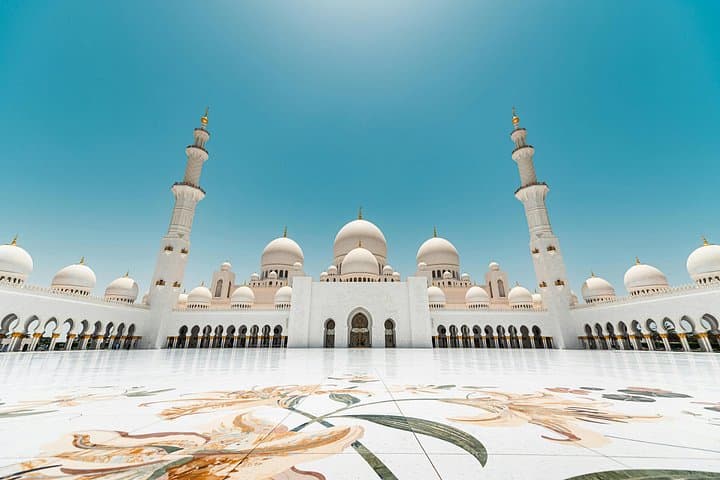


The morning light hits Abu Dhabi’s waterfront and the Grand Mosque’s white marble seems to hold the sun — a quiet, precise monument against a city that grew from pearl boats to glass and sand. On a private full-day tour, travellers move deliberately: cool tiles underfoot at the mosque, then the soft gilded hush of Emirates Palace, and later the alabaster dome and reflected pools of Louvre Abu Dhabi.
The morning light hits Abu Dhabi’s waterfront and the Grand Mosque’s white marble seems to hold the sun — a quiet, precise monument against a city that grew from pearl boats to glass and sand. On a private full-day tour, travellers move deliberately: cool tiles underfoot at the mosque, then the soft gilded hush of Emirates Palace, and later the alabaster dome and reflected pools of Louvre Abu Dhabi.
This route traces Abu Dhabi’s quick arc from centuries of seafaring and pearl diving to 20th-century oil wealth and a deliberate push into global culture. Geologically the island city sits on Pleistocene coastal flats and sandy deposits where tidal channels once shaped fishing villages; today engineered promenades and reclaimed islands frame traditional dhow harbors.
Culturally expect formal etiquette at religious sites — modest dress and quiet reserve — and a contrast of spectacle (gold-flake coffee, palace façades) with the measured calm of museum galleries. Local guides often fold in stories about pearl divers, Bedouin trade routes, and contemporary Emirati ambitions for arts and conservation.
Practically: this is an easy, largely vehicle-led day with short walks on flat, paved surfaces. Timing matters — mornings and late afternoons are cooler and photographs are stronger. Wear breathable, respectful clothing; bring sunscreen, a light scarf for mosque visits, and comfortable shoes for museum floors. Stay hydrated — bottled water is normally provided but refill options are available in major stops.
A private itinerary lets you skip lines and linger where you choose, so plan what matters: architecture, artifacts, or simple waterfront time to watch the sea push in and out around the city.