THE ADVENTURE COLLECTIVE® · Independent discovery and booking for outdoor travel

Spend a full day tracking elephants, rhino and prides across Addo Elephant National Park, then refuel with a traditional South African braai. This private tour combines targeted game drives, expert guiding, and cultural flavor in one long day of wildlife-focused exploration.
Spend a full day tracking elephants, rhino and prides across Addo Elephant National Park, then refuel with a traditional South African braai. This private tour combines targeted game drives, expert guiding, and cultural flavor in one long day of wildlife-focused exploration.
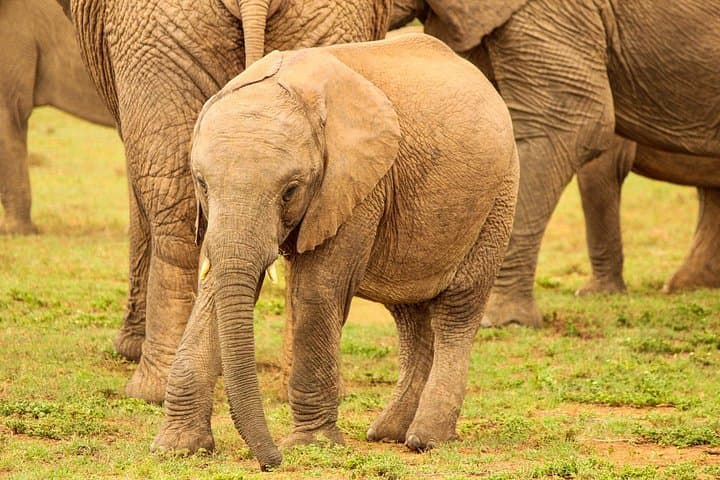
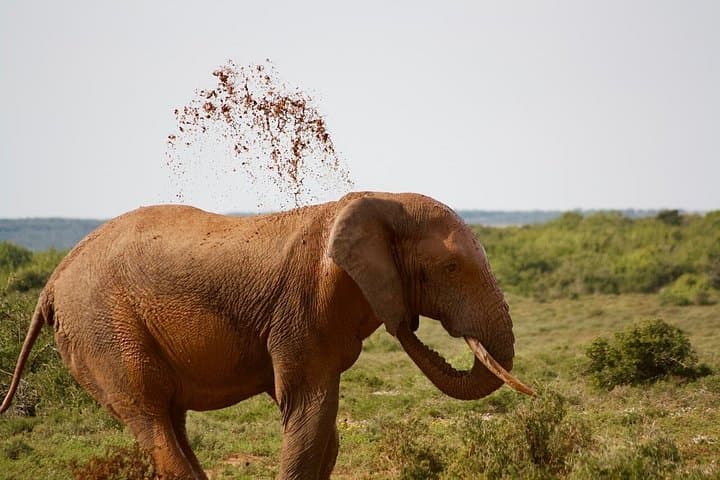
Dawn slides across low, scrubby ridges as a closed minibus eases through a corridor of grey-green succulents and thorny acacias. Elephants often appear like slow-moving weather — trunks probing, ears fanning — while the guide’s voice maps behavior and habitat between sightings. Midday brings a crackle of coals and the smell of a traditional South African braai, a simple, grounding counterpoint to the wide, watchful veld.
Verified experiences and guided adventures in the surrounding area.
Operated by Siya Elephant And Adventure Tours · Addo, Eastern Cape
Dawn slides across low, scrubby ridges as a closed minibus eases through a corridor of grey-green succulents and thorny acacias. Elephants often appear like slow-moving weather — trunks probing, ears fanning — while the guide’s voice maps behavior and habitat between sightings. Midday brings a crackle of coals and the smell of a traditional South African braai, a simple, grounding counterpoint to the wide, watchful veld.
Addo Elephant National Park began as a small reserve to protect surviving elephant herds and has grown into South Africa’s third-largest terrestrial park, now linked to a marine reserve that completes the “Big 7.” Geologically the park transitions from fertile river valleys and low karoo plains to coastal dunes and the Zuurberg foothills; plant communities range from thick thicket to fynbos and dune strandveld, creating varied game-viewing pockets.
On a private full-day safari you’ll do morning and afternoon game drives in a closed vehicle, stopping at vantage points chosen for predator or elephant activity. Guides explain tracking signs, herd dynamics, and the park’s conservation work — including black rhino reintroduction and marine protection — and the braai lunch is both cultural and practical: a warm break that keeps you in the field longer.
Practicalities: expect a 9-hour day with long periods seated and short walks; bring binoculars, layered clothing, sun protection, and a reusable water bottle. Wildlife sightings are never guaranteed — patience and quiet observation improve your odds. Follow your guide’s safety briefings, keep distance from animals, and plan travel time to/from Gqeberha; the park is expansive, and timing your visit for early morning and late afternoon light is key for both photography and animal activity.
The private full-day experience lasts about 9 hours and includes morning and afternoon game drives in a closed vehicle, park entrance fees, a traditional braai lunch, and private transportation.
Yes — the tour is family-friendly; infant seats are available but you should confirm ages and any special requirements at booking.
No — sightings cannot be guaranteed, though guides target known viewing areas and timing to maximize chances; the park’s diversity increases odds of varied encounters.
The tour is suitable for most mobility levels because it uses closed minibuses; notify the operator of accessibility needs so they can arrange suitable pickup and seating.
Siya Elephant And Adventure Tours operates guided outdoor trips and adventures with an emphasis on safety, stewardship, and memorable experiences.

Dawn slides across low, scrubby ridges as a closed minibus eases through a corridor of grey-green succulents and thorny acacias. Elephants often appear like slow-moving weather — trunks probing, ears fanning — while the guide’s voice maps behavior and habitat between sightings. Midday brings a crackle of coals and the smell of a traditional South African braai, a simple, grounding counterpoint to the wide, watchful veld.
Dawn slides across low, scrubby ridges as a closed minibus eases through a corridor of grey-green succulents and thorny acacias. Elephants often appear like slow-moving weather — trunks probing, ears fanning — while the guide’s voice maps behavior and habitat between sightings. Midday brings a crackle of coals and the smell of a traditional South African braai, a simple, grounding counterpoint to the wide, watchful veld.
Addo Elephant National Park began as a small reserve to protect surviving elephant herds and has grown into South Africa’s third-largest terrestrial park, now linked to a marine reserve that completes the “Big 7.” Geologically the park transitions from fertile river valleys and low karoo plains to coastal dunes and the Zuurberg foothills; plant communities range from thick thicket to fynbos and dune strandveld, creating varied game-viewing pockets.
On a private full-day safari you’ll do morning and afternoon game drives in a closed vehicle, stopping at vantage points chosen for predator or elephant activity. Guides explain tracking signs, herd dynamics, and the park’s conservation work — including black rhino reintroduction and marine protection — and the braai lunch is both cultural and practical: a warm break that keeps you in the field longer.
Practicalities: expect a 9-hour day with long periods seated and short walks; bring binoculars, layered clothing, sun protection, and a reusable water bottle. Wildlife sightings are never guaranteed — patience and quiet observation improve your odds. Follow your guide’s safety briefings, keep distance from animals, and plan travel time to/from Gqeberha; the park is expansive, and timing your visit for early morning and late afternoon light is key for both photography and animal activity.