THE ADVENTURE COLLECTIVE® · Independent discovery and booking for outdoor travel

A private full-day in Cairo takes you from the Egyptian Museum’s world-class artifacts to the ancient lanes of Old Cairo and the bustling alleys of Khan el-Khalili. Expect museum galleries, short urban walks, and hands-on cultural moments with a local guide.
A private full-day in Cairo takes you from the Egyptian Museum’s world-class artifacts to the ancient lanes of Old Cairo and the bustling alleys of Khan el-Khalili. Expect museum galleries, short urban walks, and hands-on cultural moments with a local guide.
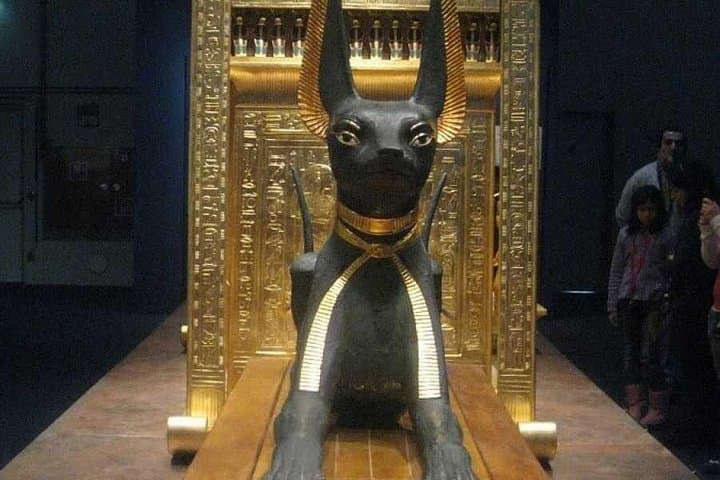
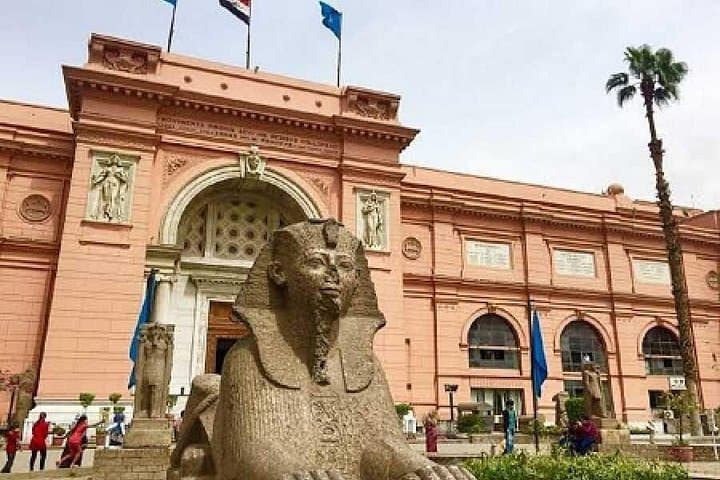
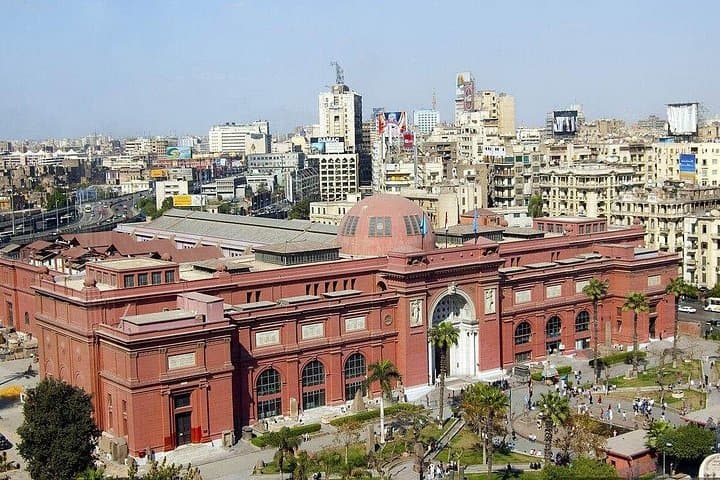
Morning light hits Tahrir Square and the city exhales: traffic hums, vendors arrange displays, and the Egyptian Museum’s sandstone façade holds centuries of dust and story. A private guide meets travelers and steers them into cool galleries where gold and enamel reflect against quiet marble—Tutankhamun’s mask still draws a crowd, each artifact a page from a civilization that planned cities, canals and temples with mathematical precision.
Verified experiences and guided adventures in the surrounding area.
Operated by Emo Tours Sweden · Cairo, Cairo
Morning light hits Tahrir Square and the city exhales: traffic hums, vendors arrange displays, and the Egyptian Museum’s sandstone façade holds centuries of dust and story. A private guide meets travelers and steers them into cool galleries where gold and enamel reflect against quiet marble—Tutankhamun’s mask still draws a crowd, each artifact a page from a civilization that planned cities, canals and temples with mathematical precision.
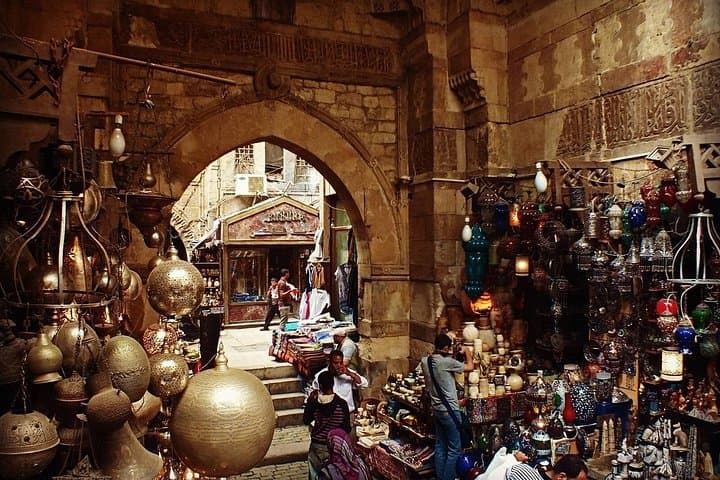
The day moves from Pharaonic halls to the layered streets of Old Cairo—Fustat’s foundations underlie churches and synagogues that survived conquest and reconstruction. In the Coptic quarter, low stone churches and narrow alleys keep a slow rhythm; the hanging church’s wooden nave creaks with history. By afternoon the pace shifts again: Khan el-Khalili’s alleys challenge the senses with spices, metalwork and barbershops that have changed little in a century.
Practicalities live side-by-side with wonder. Expect roughly 6–8 km of walking over paved streets and occasional cobbles, minimal elevation, and periods of standing inside museum galleries. Dress modestly for religious sites, bring a hat and sunscreen—Cairo sun is insistent—and carry small bills for purchases and tipping. Valuable artifacts are behind glass and may have restricted photography; check with your guide.
Timing matters: start early to avoid the midday heat and crowds at the museum; finish the bazaar visit in late afternoon when the light softens and bargaining feels easier. Keep water handy, move deliberately through busy streets, and let the guide handle ticket lines and navigation—the city rewards curiosity but runs on local know-how.
This private tour description indicates entry fees are included; confirm with the operator when booking.
The Egyptian Museum has some accessibility provisions but assistance may be required; notify the operator of mobility needs before travel.
Yes, the tour listing includes lunch; dietary requests should be communicated at booking time.
Tipping is customary in Egypt; modest gratuities for a knowledgeable private guide and driver are appreciated.
Emo Tours Sweden operates guided outdoor trips and adventures with an emphasis on safety, stewardship, and memorable experiences.
Morning light hits Tahrir Square and the city exhales: traffic hums, vendors arrange displays, and the Egyptian Museum’s sandstone façade holds centuries of dust and story. A private guide meets travelers and steers them into cool galleries where gold and enamel reflect against quiet marble—Tutankhamun’s mask still draws a crowd, each artifact a page from a civilization that planned cities, canals and temples with mathematical precision.
Morning light hits Tahrir Square and the city exhales: traffic hums, vendors arrange displays, and the Egyptian Museum’s sandstone façade holds centuries of dust and story. A private guide meets travelers and steers them into cool galleries where gold and enamel reflect against quiet marble—Tutankhamun’s mask still draws a crowd, each artifact a page from a civilization that planned cities, canals and temples with mathematical precision.
The day moves from Pharaonic halls to the layered streets of Old Cairo—Fustat’s foundations underlie churches and synagogues that survived conquest and reconstruction. In the Coptic quarter, low stone churches and narrow alleys keep a slow rhythm; the hanging church’s wooden nave creaks with history. By afternoon the pace shifts again: Khan el-Khalili’s alleys challenge the senses with spices, metalwork and barbershops that have changed little in a century.
Practicalities live side-by-side with wonder. Expect roughly 6–8 km of walking over paved streets and occasional cobbles, minimal elevation, and periods of standing inside museum galleries. Dress modestly for religious sites, bring a hat and sunscreen—Cairo sun is insistent—and carry small bills for purchases and tipping. Valuable artifacts are behind glass and may have restricted photography; check with your guide.
Timing matters: start early to avoid the midday heat and crowds at the museum; finish the bazaar visit in late afternoon when the light softens and bargaining feels easier. Keep water handy, move deliberately through busy streets, and let the guide handle ticket lines and navigation—the city rewards curiosity but runs on local know-how.