THE ADVENTURE COLLECTIVE® · Independent discovery and booking for outdoor travel

See Cappadocia’s signature landscapes and cave heritage in a private half-day rhythm: Göreme’s frescoed churches, Paşabağ’s towering fairy chimneys, Uçhisar’s lookout and Avanos pottery. Tailor the day with a licensed guide and comfortable minivan transfers.
See Cappadocia’s signature landscapes and cave heritage in a private half-day rhythm: Göreme’s frescoed churches, Paşabağ’s towering fairy chimneys, Uçhisar’s lookout and Avanos pottery. Tailor the day with a licensed guide and comfortable minivan transfers.
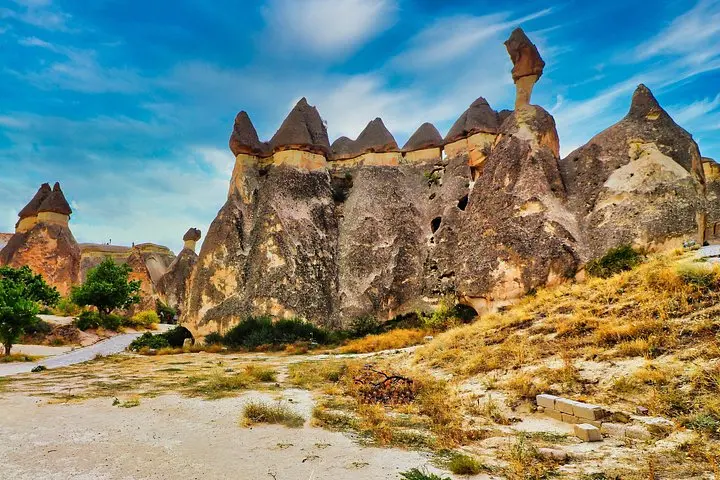
You step out of the minivan and the air feels dry and ancient—the limestone underfoot crunches like pages in a weathered book. From the first glance across the valley, the fairy chimneys rise like chiselled columns, their caps balancing as if by patience rather than physics. On a private full-day tour of Cappadocia, a local guide drives the rhythm: slow stories at frescoed cave churches, a brisk photo stop among the mushroom-shaped pinnacles of Paşabağ, then a wandering through the pottery-lined streets of Avanos.
Verified experiences and guided adventures in the surrounding area.
Operated by Eon Tour Travel Agency · Göreme, Nevşehir Province
You step out of the minivan and the air feels dry and ancient—the limestone underfoot crunches like pages in a weathered book. From the first glance across the valley, the fairy chimneys rise like chiselled columns, their caps balancing as if by patience rather than physics. On a private full-day tour of Cappadocia, a local guide drives the rhythm: slow stories at frescoed cave churches, a brisk photo stop among the mushroom-shaped pinnacles of Paşabağ, then a wandering through the pottery-lined streets of Avanos.
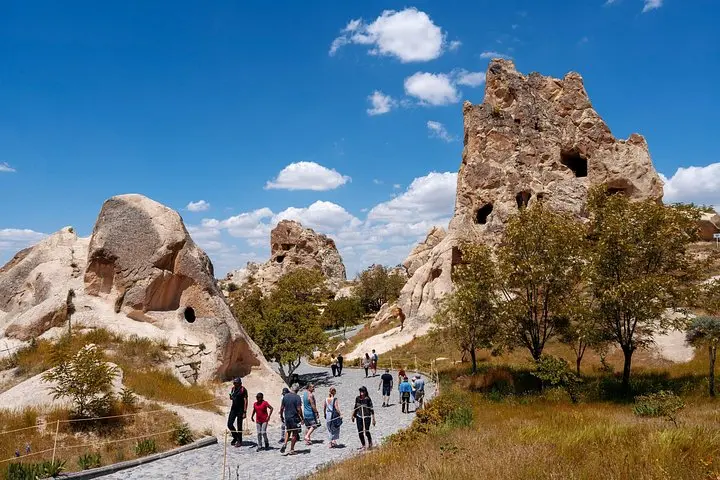
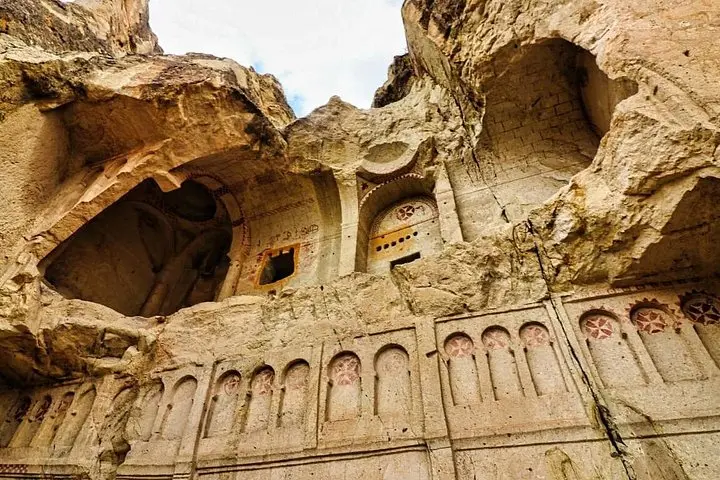
This landscape is volcanic architecture. Millions of years ago, ash and tuff laid down by Erciyes and Hasan volcanoes compacted into a soft stone that wind and water later carved into chimneys, cones and natural bridges. Byzantine and early Christian communities took advantage of that softness, carving monasteries, chapels and underground refuges into the rock to escape raids and to practice monastic life in near-seclusion. The Göreme Open-Air Museum preserves many of those rock-cut churches, their pigments shielded by rock and shadow.
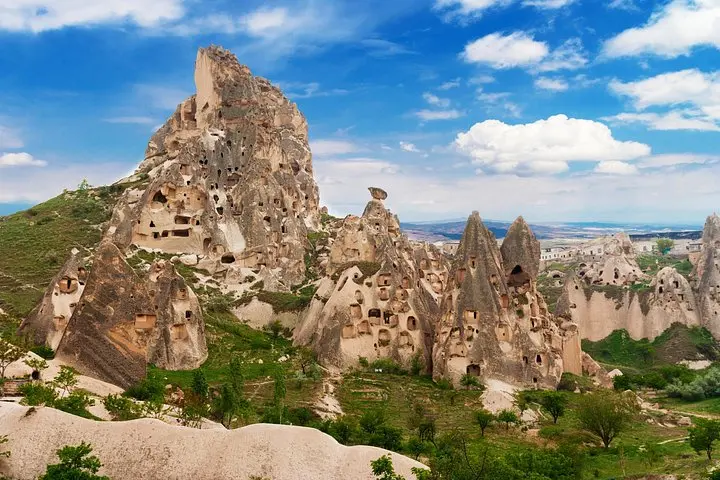
The culture here remains tactile: potters in Avanos still slam red river clay on wheels the Hittites first used, while local guides point out medieval inscriptions and tell of Uçhisar’s role as both lookout and shelter. Small villages hold a quieter layer—stone houses, low vineyards, and lanes where solar panels share roofs with century-old beehives.
Practicalities matter on a day like this. The private tour runs approximately 4–5 hours door-to-door and includes hotel pickup in an air-conditioned minivan. Expect multiple short walks—most sites have 300–800m of uneven dirt trails and steps; Uçhisar Castle involves a climb of a few dozen carved steps to the highest viewpoint. Wear sturdy shoes and bring sun protection: the plateau gets hot and exposed in summer, while spring and autumn can bring wind and sudden showers.
Entrance fees to the Göreme Open-Air Museum are usually required; your guide handles logistics and can tailor the pace—spend extra time in a frescoed chapel or skip an indoor stop to linger at a panoramic lookout. Photography rewards early or late light: the chimneys turn gold at sunrise and amber at dusk. Carry cash for small purchases in Avanos, and leave room in your schedule to try local gözleme or a quick pottery workshop demonstration.
This itinerary is ideal for travelers who want a compact cultural and geological primer without the crowds of a shared bus. The private format means your guide can focus on the stories you want—art history, geology, or local craft—so you leave with both images and context rather than just snapshots.
Yes—pickup and drop-off from Göreme-area hotels are included; indicate your hotel at booking for exact pickup time.
The tour description notes admission to some sites is included; confirm with the supplier which museum fees are covered when booking.
You can request an underground city stop, but it may change the itinerary and walk time; discuss preferences with your guide before departure.
The tour is family-friendly but includes uneven paths and steps; inform the operator of mobility needs so they can adapt the itinerary.
Yes—your guide will lead short visits into several cave churches; touching frescoes is prohibited to preserve pigments.
Tipping is discretionary but appreciated; 5–10% of the tour price or a small daily amount for good service is customary.
Eon Tour Travel Agency operates guided outdoor trips and adventures with an emphasis on safety, stewardship, and memorable experiences.
You step out of the minivan and the air feels dry and ancient—the limestone underfoot crunches like pages in a weathered book. From the first glance across the valley, the fairy chimneys rise like chiselled columns, their caps balancing as if by patience rather than physics. On a private full-day tour of Cappadocia, a local guide drives the rhythm: slow stories at frescoed cave churches, a brisk photo stop among the mushroom-shaped pinnacles of Paşabağ, then a wandering through the pottery-lined streets of Avanos.
You step out of the minivan and the air feels dry and ancient—the limestone underfoot crunches like pages in a weathered book. From the first glance across the valley, the fairy chimneys rise like chiselled columns, their caps balancing as if by patience rather than physics. On a private full-day tour of Cappadocia, a local guide drives the rhythm: slow stories at frescoed cave churches, a brisk photo stop among the mushroom-shaped pinnacles of Paşabağ, then a wandering through the pottery-lined streets of Avanos.
This landscape is volcanic architecture. Millions of years ago, ash and tuff laid down by Erciyes and Hasan volcanoes compacted into a soft stone that wind and water later carved into chimneys, cones and natural bridges. Byzantine and early Christian communities took advantage of that softness, carving monasteries, chapels and underground refuges into the rock to escape raids and to practice monastic life in near-seclusion. The Göreme Open-Air Museum preserves many of those rock-cut churches, their pigments shielded by rock and shadow.
The culture here remains tactile: potters in Avanos still slam red river clay on wheels the Hittites first used, while local guides point out medieval inscriptions and tell of Uçhisar’s role as both lookout and shelter. Small villages hold a quieter layer—stone houses, low vineyards, and lanes where solar panels share roofs with century-old beehives.
Practicalities matter on a day like this. The private tour runs approximately 4–5 hours door-to-door and includes hotel pickup in an air-conditioned minivan. Expect multiple short walks—most sites have 300–800m of uneven dirt trails and steps; Uçhisar Castle involves a climb of a few dozen carved steps to the highest viewpoint. Wear sturdy shoes and bring sun protection: the plateau gets hot and exposed in summer, while spring and autumn can bring wind and sudden showers.
Entrance fees to the Göreme Open-Air Museum are usually required; your guide handles logistics and can tailor the pace—spend extra time in a frescoed chapel or skip an indoor stop to linger at a panoramic lookout. Photography rewards early or late light: the chimneys turn gold at sunrise and amber at dusk. Carry cash for small purchases in Avanos, and leave room in your schedule to try local gözleme or a quick pottery workshop demonstration.
This itinerary is ideal for travelers who want a compact cultural and geological primer without the crowds of a shared bus. The private format means your guide can focus on the stories you want—art history, geology, or local craft—so you leave with both images and context rather than just snapshots.