THE ADVENTURE COLLECTIVE® · Independent discovery and booking for outdoor travel
Spend a full day from Paris exploring Champagne’s cellars, Gothic Reims, and village producers. This private tour pairs famous houses with family-run domaines for tastings and local context.
Spend a full day from Paris exploring Champagne’s cellars, Gothic Reims, and village producers. This private tour pairs famous houses with family-run domaines for tastings and local context.
You step out of Paris morning traffic onto a highway that unspools toward chalk hills and miles of neatly trained vines; the air changes from city exhaust to a faint, yeasty sweetness that hints at fermenting must. The day unfolds across the Montagne de Reims and the Marne valley: a major house in Epernay or Reims with its vaulted cellars, a Gothic cathedral scarred and restored, and the narrow streets of Hautvillers where Dom Pérignon once worked.
Verified experiences and guided adventures in the surrounding area.
Operated by ARTVENTURES FRANCE · Reims, Grand Est
You step out of Paris morning traffic onto a highway that unspools toward chalk hills and miles of neatly trained vines; the air changes from city exhaust to a faint, yeasty sweetness that hints at fermenting must. The day unfolds across the Montagne de Reims and the Marne valley: a major house in Epernay or Reims with its vaulted cellars, a Gothic cathedral scarred and restored, and the narrow streets of Hautvillers where Dom Pérignon once worked.
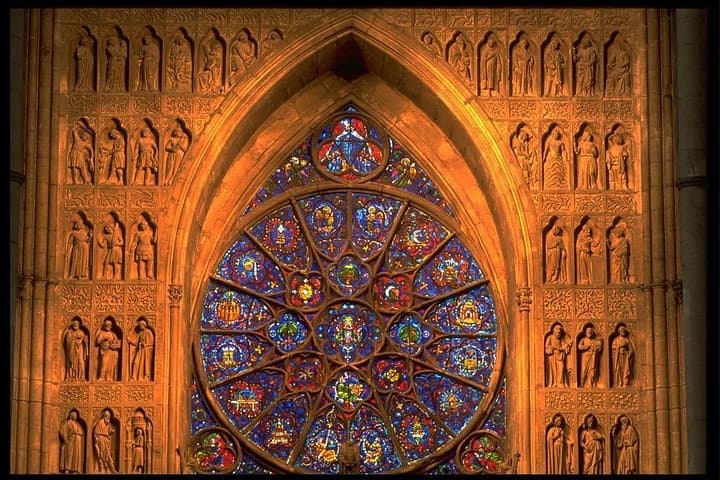
Champagne’s geology is decisive — Cretaceous chalk underpins the region, providing excellent drainage and a mineral signature that winemakers prize. Reims cathedral recalls a medieval past of coronations and twentieth-century reconstruction; village names like Hautvillers carry monastic and agricultural histories that shaped méthode traditionnelle.
Expect guided cellar tours, seated tastings at a grandes maisons and a smaller family producer, and a balanced itinerary that includes a 1.5-hour lunch break. Travel time from Paris is roughly two hours each way, so plan for a 10–11 hour day. Terrain is flat to gently rolling; walking is mostly on paved village streets and cellar stairs.
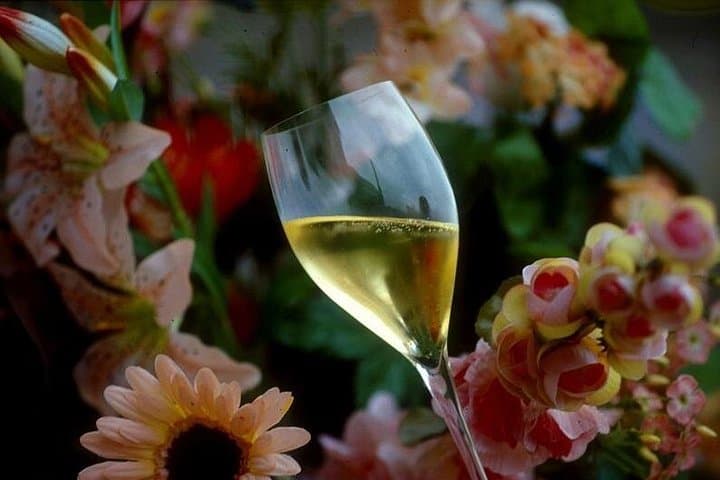
Practical tips: bring a government ID for tastings, wear comfortable, closed-toe shoes for cellar stairs, and carry a small bottle of water between tastings. Timing matters — aim for a midweek visit to avoid weekend crowds in Epernay. Respect vineyard boundaries and ask before photographing private cellars. This tour is low-impact physically but rich in sensory detail: the pop of a cork, chalk dust underfoot, and curated conversations about méthode and terroir that make Champagne more than a celebration — it’s a craft you can taste.
The tour includes hotel pick-up and drop-off in Paris; exact pickup location is confirmed at booking.
Yes — tastings at one major house and at least one smaller producer are included; serving sizes vary by house.
Physically the tour is easy, but it’s not recommended for pregnant travelers; non-drinkers can still join for the cultural and cellar visits.
All sales are final per the booking terms — cancellations are non-refundable, so confirm details before booking.
ARTVENTURES FRANCE operates guided outdoor trips and adventures with an emphasis on safety, stewardship, and memorable experiences.
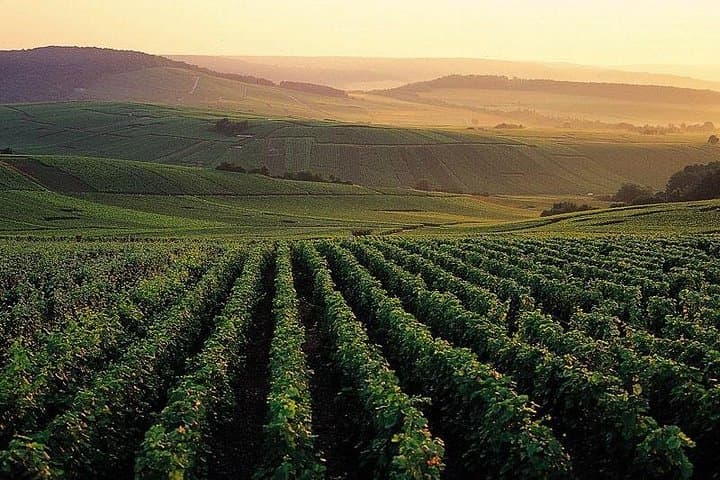
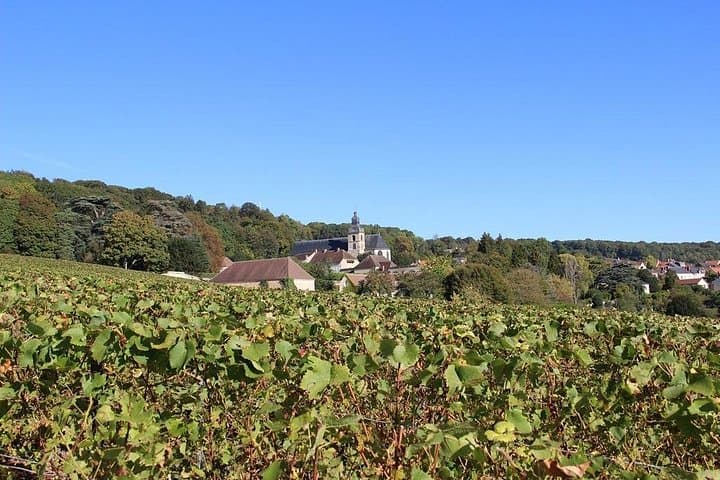
You step out of Paris morning traffic onto a highway that unspools toward chalk hills and miles of neatly trained vines; the air changes from city exhaust to a faint, yeasty sweetness that hints at fermenting must. The day unfolds across the Montagne de Reims and the Marne valley: a major house in Epernay or Reims with its vaulted cellars, a Gothic cathedral scarred and restored, and the narrow streets of Hautvillers where Dom Pérignon once worked.
You step out of Paris morning traffic onto a highway that unspools toward chalk hills and miles of neatly trained vines; the air changes from city exhaust to a faint, yeasty sweetness that hints at fermenting must. The day unfolds across the Montagne de Reims and the Marne valley: a major house in Epernay or Reims with its vaulted cellars, a Gothic cathedral scarred and restored, and the narrow streets of Hautvillers where Dom Pérignon once worked.
Champagne’s geology is decisive — Cretaceous chalk underpins the region, providing excellent drainage and a mineral signature that winemakers prize. Reims cathedral recalls a medieval past of coronations and twentieth-century reconstruction; village names like Hautvillers carry monastic and agricultural histories that shaped méthode traditionnelle.
Expect guided cellar tours, seated tastings at a grandes maisons and a smaller family producer, and a balanced itinerary that includes a 1.5-hour lunch break. Travel time from Paris is roughly two hours each way, so plan for a 10–11 hour day. Terrain is flat to gently rolling; walking is mostly on paved village streets and cellar stairs.
Practical tips: bring a government ID for tastings, wear comfortable, closed-toe shoes for cellar stairs, and carry a small bottle of water between tastings. Timing matters — aim for a midweek visit to avoid weekend crowds in Epernay. Respect vineyard boundaries and ask before photographing private cellars. This tour is low-impact physically but rich in sensory detail: the pop of a cork, chalk dust underfoot, and curated conversations about méthode and terroir that make Champagne more than a celebration — it’s a craft you can taste.
