THE ADVENTURE COLLECTIVE® · Independent discovery and booking for outdoor travel

Escape Cairo for a full day of desert lakes, waterfalls and fossil fields in El Fayoum. This private tour pairs natural highlights—Qarun Lake, Wadi El Rayan and Wadi El‑Hitan—with village visits and easy hikes.
Escape Cairo for a full day of desert lakes, waterfalls and fossil fields in El Fayoum. This private tour pairs natural highlights—Qarun Lake, Wadi El Rayan and Wadi El‑Hitan—with village visits and easy hikes.
A light wind pulls dust across a flat horizon as your minivan slips away from Cairo’s traffic and into pale desert. Within an hour the asphalt softens into ochre tracks and the landscape opens into lakes that catch the sun like sheets of metal; the sound here is less city than bird call and distant surf of waterfalls that surprise the desert.
Verified experiences and guided adventures in the surrounding area.
Operated by Siwa Travel Egypt · Fayoum, Faiyum Governorate
A light wind pulls dust across a flat horizon as your minivan slips away from Cairo’s traffic and into pale desert. Within an hour the asphalt softens into ochre tracks and the landscape opens into lakes that catch the sun like sheets of metal; the sound here is less city than bird call and distant surf of waterfalls that surprise the desert.
The Fayoum region has been a managed landscape for millennia—ancient irrigation channels fed by the Nile created fertile pockets that supported Pharaonic settlements. Geologically, the area records sea-level swings: Qarun Lake sits where an old gulf once reached, while Wadi El-Hitan preserves 40-million-year-old whale fossils that chronicle the march of life from land back to sea.
Culturally, visitors pass through Tunis Village’s pottery lanes and meet potters whose techniques echo rural Egyptian craft traditions. Mudawara Mountain provides a quick climb and clean panoramas across dunes and blue water; Wadi El Rayan’s waterfalls offer a rare desert cascade to explore and photograph.
Practical guidance: this is a full-day, mostly low-impact tour with short walks and easy hikes—expect sand, sun and uneven ground. Bring sun protection, at least 2 liters of water, and sturdy shoes for dune and shoreline sections. Morning light is best for fossils and birdlife; late afternoon softens the heat and sharpens the colors on the sandstone.
Respect protected zones—don’t remove fossils or disturb nesting birds—and carry cash for small purchases in villages. With basic preparation, the day delivers a concentrated dose of Egypt’s natural history and hands-on rural life.
The drive from central Cairo is roughly 100–140 km depending on route and traffic, about 1.5–2.5 hours each way.
This tour description notes admission is not included for some sites; check with the operator for up-to-date fees to the protected areas or museums.
Yes—this tour is classed as physically easy with short walks; vehicle transfers and accessible points are available but check specifics for mobility needs.
Yes—the UNESCO site contains exposed fossil skeletons and an on-site museum; some fossil areas are protected so viewing may be from designated paths.
Siwa Travel Egypt operates guided outdoor trips and adventures with an emphasis on safety, stewardship, and memorable experiences.

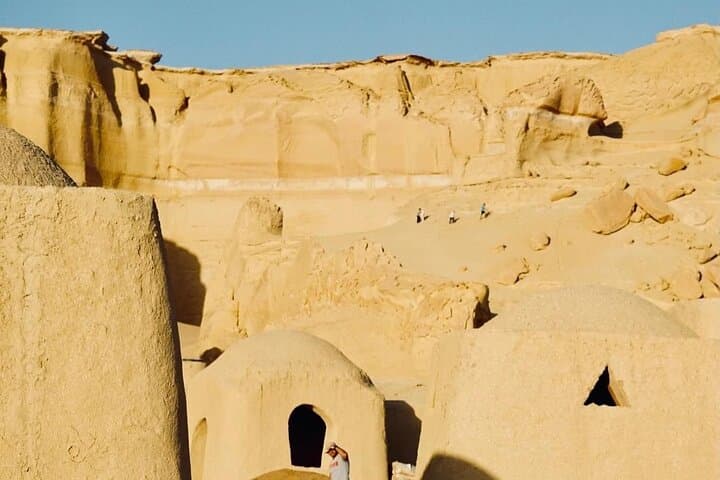
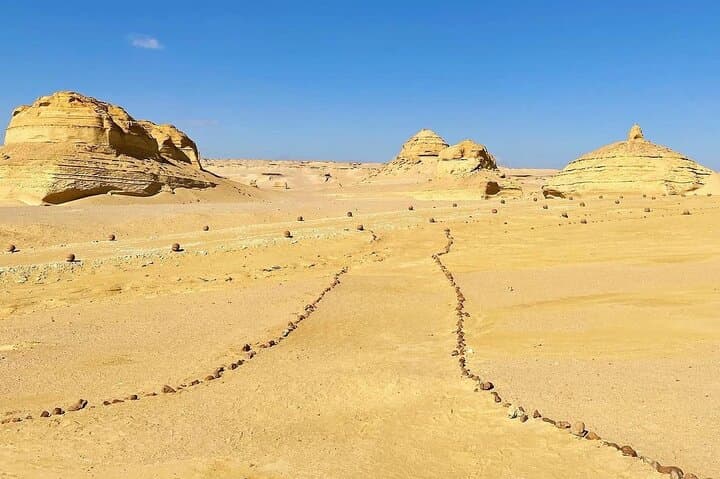
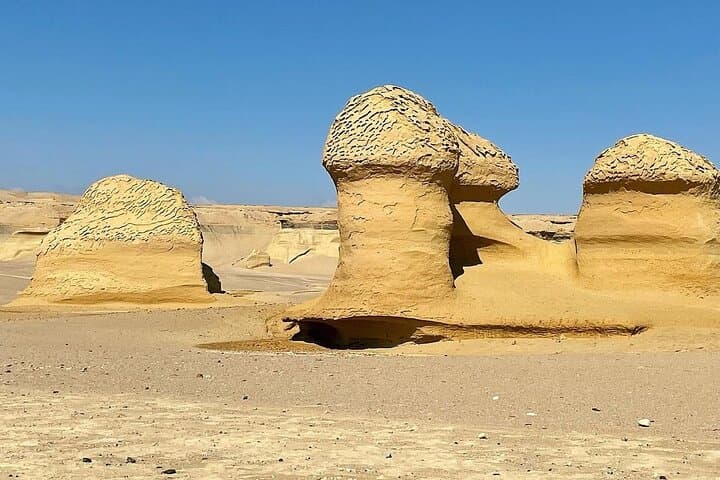
A light wind pulls dust across a flat horizon as your minivan slips away from Cairo’s traffic and into pale desert. Within an hour the asphalt softens into ochre tracks and the landscape opens into lakes that catch the sun like sheets of metal; the sound here is less city than bird call and distant surf of waterfalls that surprise the desert.
A light wind pulls dust across a flat horizon as your minivan slips away from Cairo’s traffic and into pale desert. Within an hour the asphalt softens into ochre tracks and the landscape opens into lakes that catch the sun like sheets of metal; the sound here is less city than bird call and distant surf of waterfalls that surprise the desert.
The Fayoum region has been a managed landscape for millennia—ancient irrigation channels fed by the Nile created fertile pockets that supported Pharaonic settlements. Geologically, the area records sea-level swings: Qarun Lake sits where an old gulf once reached, while Wadi El-Hitan preserves 40-million-year-old whale fossils that chronicle the march of life from land back to sea.
Culturally, visitors pass through Tunis Village’s pottery lanes and meet potters whose techniques echo rural Egyptian craft traditions. Mudawara Mountain provides a quick climb and clean panoramas across dunes and blue water; Wadi El Rayan’s waterfalls offer a rare desert cascade to explore and photograph.
Practical guidance: this is a full-day, mostly low-impact tour with short walks and easy hikes—expect sand, sun and uneven ground. Bring sun protection, at least 2 liters of water, and sturdy shoes for dune and shoreline sections. Morning light is best for fossils and birdlife; late afternoon softens the heat and sharpens the colors on the sandstone.
Respect protected zones—don’t remove fossils or disturb nesting birds—and carry cash for small purchases in villages. With basic preparation, the day delivers a concentrated dose of Egypt’s natural history and hands-on rural life.