THE ADVENTURE COLLECTIVE® · Independent discovery and booking for outdoor travel

Cover Rio’s most famous sights in a single private day — Corcovado’s Christ, Sugarloaf’s panoramas, the bohemian lanes of Santa Teresa and the green heart of Tijuca Forest. A practical, active itinerary that balances iconic views with local flavor.
Cover Rio’s most famous sights in a single private day — Corcovado’s Christ, Sugarloaf’s panoramas, the bohemian lanes of Santa Teresa and the green heart of Tijuca Forest. A practical, active itinerary that balances iconic views with local flavor.
You step out of a private van as the city unfolds: beaches glitter to the right, granite peaks rise left, and the forest exhales behind you. For eleven hours this tour stitches Rio’s dramatic pieces together — Corcovado’s statue watching over the bay, the cable cars of Sugarloaf carving the sky, colonial streets in the Centro, the art-cluttered lanes of Santa Teresa, and the green lungs of Tijuca Forest.
Verified experiences and guided adventures in the surrounding area.
Operated by Tour Guide Rio Cultural Secrets | Private Tours in Rio de Janeiro · Rio de Janeiro, Rio de Janeiro
You step out of a private van as the city unfolds: beaches glitter to the right, granite peaks rise left, and the forest exhales behind you. For eleven hours this tour stitches Rio’s dramatic pieces together — Corcovado’s statue watching over the bay, the cable cars of Sugarloaf carving the sky, colonial streets in the Centro, the art-cluttered lanes of Santa Teresa, and the green lungs of Tijuca Forest.
Christ the Redeemer sits on Corcovado, a 1930s concrete-and-sculpture landmark that frames Brazil’s history of Catholic devotion and national identity. Sugarloaf is a granitic monolith shaped by coastal uplift and erosion, its cable cars offering 360° views of Guanabara Bay. Santa Teresa and XV November Square echo Río’s colonial and imperial past with tiled facades and grand civic buildings. Tijuca, one of the largest urban rainforests, was largely replanted in the 19th century and now shelters quick-moving marmosets and a chorus of birds.
Practically: expect a full, active day with multiple short walks, stairs, and tram/cable-car boarding. Bring comfortable, broken-in footwear, sun protection, a refillable water bottle, and a lightweight rain layer — weather shifts fast between shore and forest. Plan to move steadily: the private guide sequences attractions to avoid peak crowds where possible, but tickets for Corcovado and Sugarloaf are often purchased separately or queued. Keep local cash for small stalls in Santa Teresa, and allocate downtime for a leisurely lunch in the neighborhood.
This is a cinematic, logistic-savvy way to see Rio’s icons in one day: sensory, physical, and full of local texture.
Admissions and tram/cable-car tickets are often not included; confirm with the operator and be prepared to purchase on-site or online.
Most private tours offer pickup from a central hotel or meeting point; specify your pickup point when booking to confirm logistics.
Children and many older travelers can join, but the day includes stairs and short walks; notify the operator of mobility limits to discuss adjustments.
Yes — as a private tour the guide can adjust timing and some stops, though availability and admission rules for attractions may limit last-minute changes.
Tour Guide Rio Cultural Secrets | Private Tours in Rio de Janeiro operates guided outdoor trips and adventures with an emphasis on safety, stewardship, and memorable experiences.


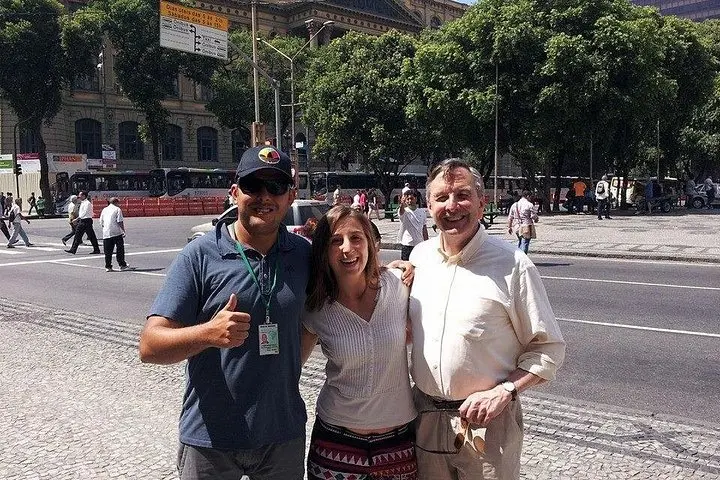
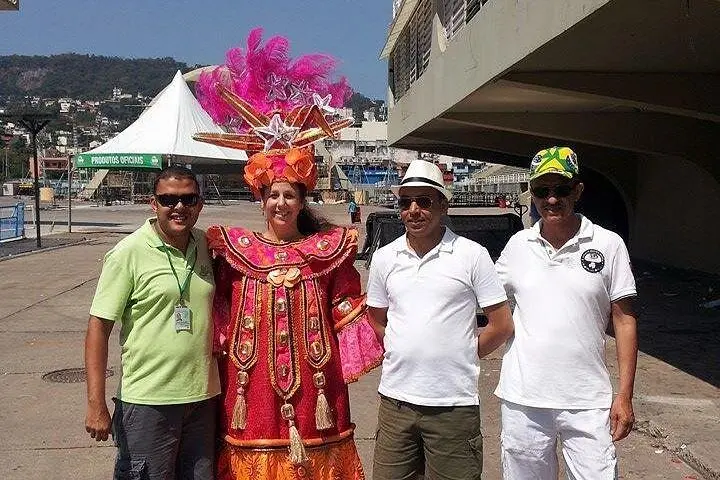
You step out of a private van as the city unfolds: beaches glitter to the right, granite peaks rise left, and the forest exhales behind you. For eleven hours this tour stitches Rio’s dramatic pieces together — Corcovado’s statue watching over the bay, the cable cars of Sugarloaf carving the sky, colonial streets in the Centro, the art-cluttered lanes of Santa Teresa, and the green lungs of Tijuca Forest.
You step out of a private van as the city unfolds: beaches glitter to the right, granite peaks rise left, and the forest exhales behind you. For eleven hours this tour stitches Rio’s dramatic pieces together — Corcovado’s statue watching over the bay, the cable cars of Sugarloaf carving the sky, colonial streets in the Centro, the art-cluttered lanes of Santa Teresa, and the green lungs of Tijuca Forest.
Christ the Redeemer sits on Corcovado, a 1930s concrete-and-sculpture landmark that frames Brazil’s history of Catholic devotion and national identity. Sugarloaf is a granitic monolith shaped by coastal uplift and erosion, its cable cars offering 360° views of Guanabara Bay. Santa Teresa and XV November Square echo Río’s colonial and imperial past with tiled facades and grand civic buildings. Tijuca, one of the largest urban rainforests, was largely replanted in the 19th century and now shelters quick-moving marmosets and a chorus of birds.
Practically: expect a full, active day with multiple short walks, stairs, and tram/cable-car boarding. Bring comfortable, broken-in footwear, sun protection, a refillable water bottle, and a lightweight rain layer — weather shifts fast between shore and forest. Plan to move steadily: the private guide sequences attractions to avoid peak crowds where possible, but tickets for Corcovado and Sugarloaf are often purchased separately or queued. Keep local cash for small stalls in Santa Teresa, and allocate downtime for a leisurely lunch in the neighborhood.
This is a cinematic, logistic-savvy way to see Rio’s icons in one day: sensory, physical, and full of local texture.