THE ADVENTURE COLLECTIVE® · Independent discovery and booking for outdoor travel

A private full-day tour traces the Somme's wartime landscape from trenches to memorials, guided by local experts who tailor the route to family histories and points of interest. Expect uneven ground, emotional sites, and a day of focused, respectful exploration.
A private full-day tour traces the Somme's wartime landscape from trenches to memorials, guided by local experts who tailor the route to family histories and points of interest. Expect uneven ground, emotional sites, and a day of focused, respectful exploration.
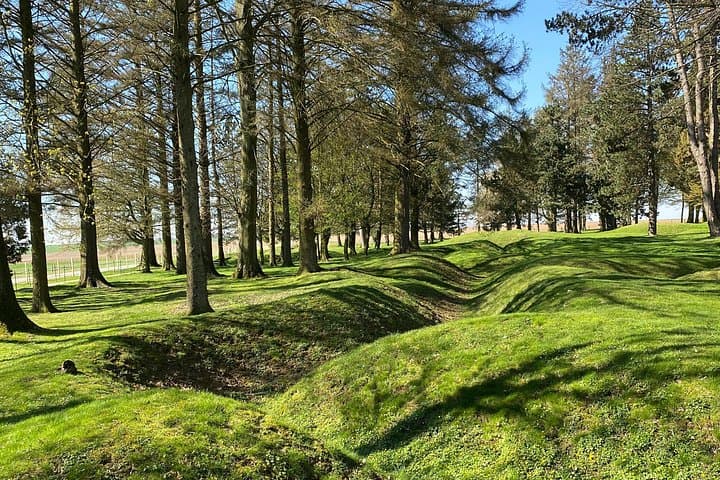
You step out of an air-conditioned vehicle and into fields that still argue with history: low chalk ridges cut by deep, straight scars where shellfire and mines once reshaped the land.
Verified experiences and guided adventures in the surrounding area.
Operated by ALW Battlefield Tours · Albert, Hauts-de-France
You step out of an air-conditioned vehicle and into fields that still argue with history: low chalk ridges cut by deep, straight scars where shellfire and mines once reshaped the land.
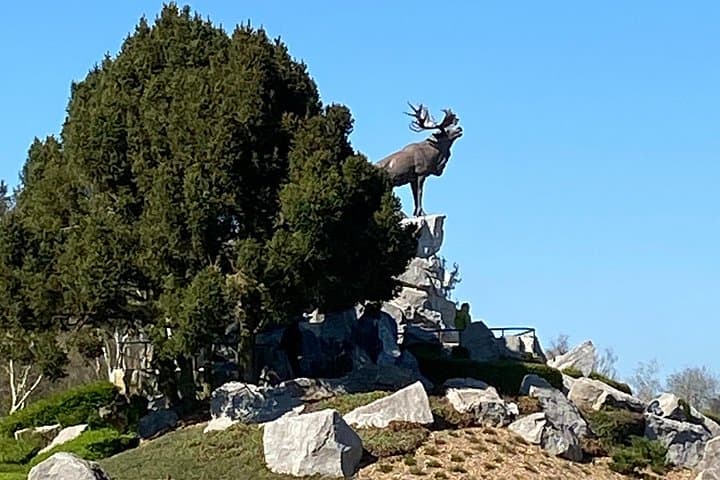
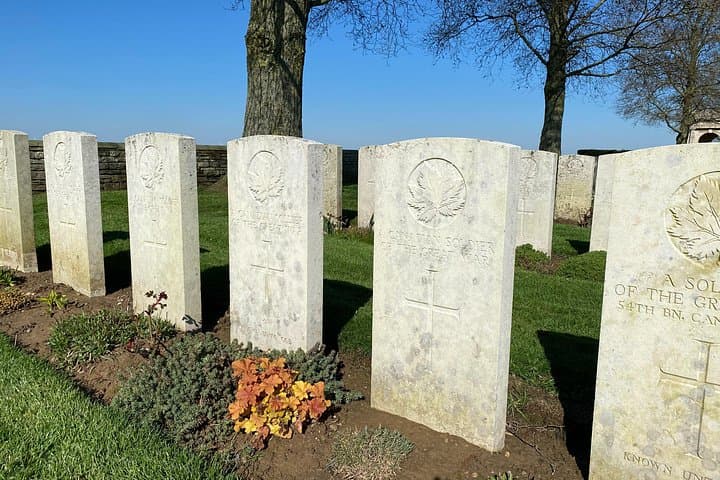
Over the next eight to nine hours a private guide moves you between preserved trenches, village cemeteries and the great memorials that mark the July 1916 offensive. The route typically includes the Newfoundland positions of July 1, the Thiepval Memorial to the missing, Hawthorn Ridge, small Commonwealth plots and a German cemetery — places where maps meet human stories.
Geology here is plain and practical: chalk beneath thin soil made these plains hard to drain and easy to crater, shaping trench lines and the logistics of the campaign. Locally, commemorative culture is active — visitor centres, regimental memorials and village museums keep records, letters and photographs that frame individual stories within larger strategy.
Practical guidance: wear sturdy boots for uneven grounds and cemetery paths, bring a waterproof layer and a notebook if you’re researching family history. Visitor centres and some memorials have timed opening hours; plan for mid-week visits to avoid busier Saturdays. Respect silence and signage at graves and memorials; photography is allowed in most outdoor spaces but be discreet during services.
A private tour lets you prioritize sites connected to ancestors or units, and guides can often prepare bespoke research if given notice. By day’s end the landscape is quieter but its contours continue to speak; the tour is as much about listening as it is about seeing.
The private tour runs roughly 8–9 hours and includes transportation from Arras or Albert, guided visits to trenches, memorials, cemeteries and a lunch stop; timings are adjusted to your needs.
Yes—given advance notice guides can prepare bespoke research on soldiers, units or battalions to prioritize relevant sites during the day.
The tour is suitable for a broad range of ages and fitness; some sites involve uneven ground and steps—ask about more accessible stops when booking.
Admissions are typically not required for outdoor memorials; some visitor centres may have entry fees which should be checked in advance and can be included on request.
ALW Battlefield Tours operates guided outdoor trips and adventures with an emphasis on safety, stewardship, and memorable experiences.

You step out of an air-conditioned vehicle and into fields that still argue with history: low chalk ridges cut by deep, straight scars where shellfire and mines once reshaped the land.
You step out of an air-conditioned vehicle and into fields that still argue with history: low chalk ridges cut by deep, straight scars where shellfire and mines once reshaped the land.
Over the next eight to nine hours a private guide moves you between preserved trenches, village cemeteries and the great memorials that mark the July 1916 offensive. The route typically includes the Newfoundland positions of July 1, the Thiepval Memorial to the missing, Hawthorn Ridge, small Commonwealth plots and a German cemetery — places where maps meet human stories.
Geology here is plain and practical: chalk beneath thin soil made these plains hard to drain and easy to crater, shaping trench lines and the logistics of the campaign. Locally, commemorative culture is active — visitor centres, regimental memorials and village museums keep records, letters and photographs that frame individual stories within larger strategy.
Practical guidance: wear sturdy boots for uneven grounds and cemetery paths, bring a waterproof layer and a notebook if you’re researching family history. Visitor centres and some memorials have timed opening hours; plan for mid-week visits to avoid busier Saturdays. Respect silence and signage at graves and memorials; photography is allowed in most outdoor spaces but be discreet during services.
A private tour lets you prioritize sites connected to ancestors or units, and guides can often prepare bespoke research if given notice. By day’s end the landscape is quieter but its contours continue to speak; the tour is as much about listening as it is about seeing.