THE ADVENTURE COLLECTIVE® · Independent discovery and booking for outdoor travel

Spend a curated day from the Egyptian Museum to the Giza Plateau, then glide the Nile in a traditional felucca. This private tour combines ancient monuments, market streets and a calming river cruise with practical on-the-ground guidance.
Spend a curated day from the Egyptian Museum to the Giza Plateau, then glide the Nile in a traditional felucca. This private tour combines ancient monuments, market streets and a calming river cruise with practical on-the-ground guidance.
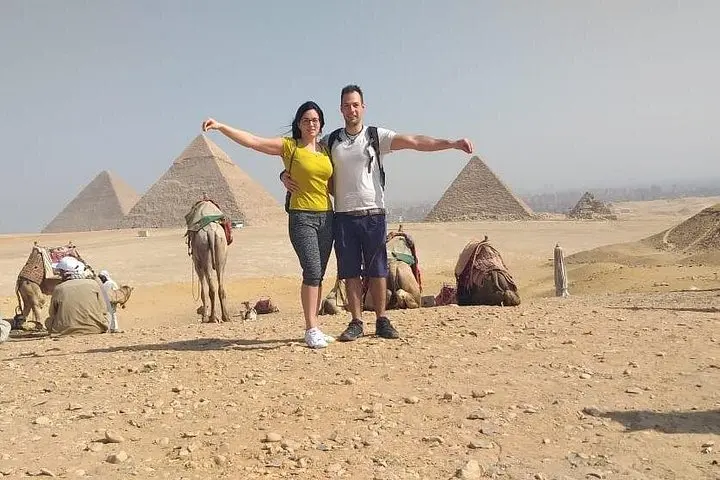
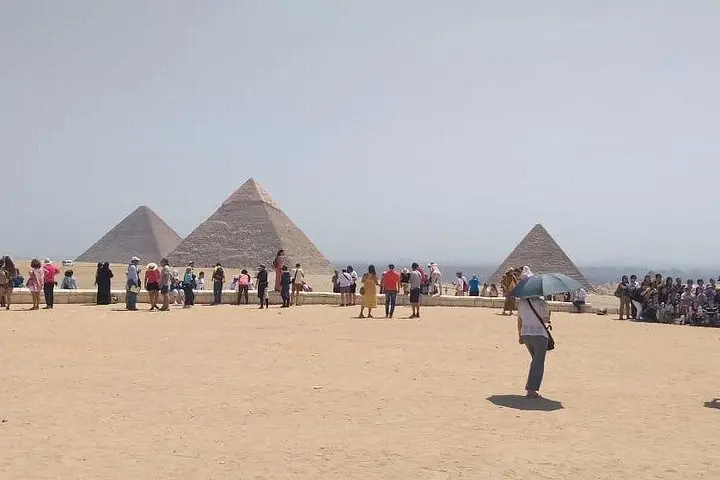
You step out of an air-conditioned minivan into a wind that carries fine Saharan dust and the outline of the Great Pyramid cuts the sky like a weathered monolith daring you to approach.
Verified experiences and guided adventures in the surrounding area.
Operated by Misk Tours · Giza, Giza Governorate
You step out of an air-conditioned minivan into a wind that carries fine Saharan dust and the outline of the Great Pyramid cuts the sky like a weathered monolith daring you to approach.
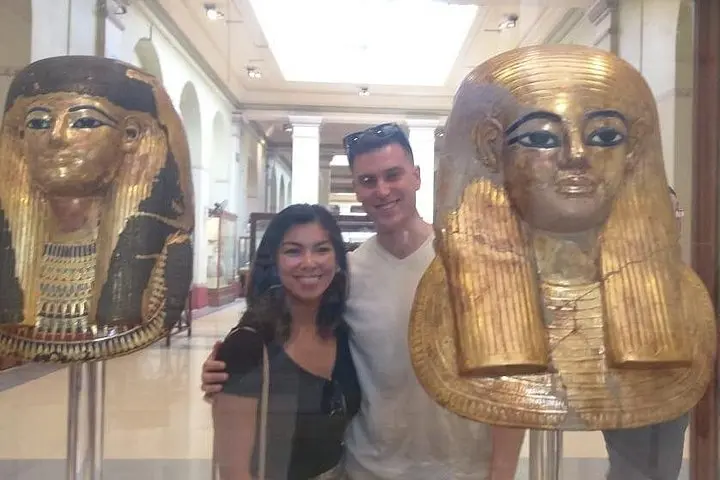
The day unfolds across deep layers of history: the Giza Plateau—built around 2560 BCE—still shows the heft of its limestone blocks and the scars of centuries that removed the smooth casing stones. Inside Cairo, the Egyptian Museum at Tahrir holds more than 250,000 artifacts, from everyday pottery to the glinting treasures of Tutankhamen, each object a practical clue to how this civilization organized life, death and power.
Culturally, the tour stitches together ancient funerary engineering with living urban markets. Khan El-Khalili’s narrow lanes offer copper workshops, spice stalls and cafes where the Ottoman and Mamluk eras still set patterns of commerce. Ending on the Nile, a traditional felucca ride returns movement to the day—the river pushing gently, carrying the city’s modern noise past age-old riverbanks.
Practical guidance: expect eight hours of moderate walking on uneven stone, sand and city pavement; heat and sun are the main hazards—schedule early morning or late afternoon for the Plateau. Entrance to the Great Pyramid and Tutankhamen’s inner exhibits are often extra; bring local currency. Wear sturdy closed shoes for the Plateau and breathable layers for the museum. Carry a hat, sunscreen and 1–2 liters of water; bottled water is usually provided on guided tours. Tipping guides and drivers is customary. If you want quieter photos, ask to stop at the peripheral viewpoints rather than the busy main ramp.
This is a full-day, sensory-forward way to see Egypt’s ancient spine with practical comforts and a local expert to steer timing, lines and logistics.
Standard tours often include access to the Giza Plateau and outside views of the pyramids; entry inside the Great Pyramid is usually an optional extra purchased on-site.
The tour includes a guided visit to the Egyptian Museum, but special exhibits (like Tutankhamen’s inner rooms) may require separate fees.
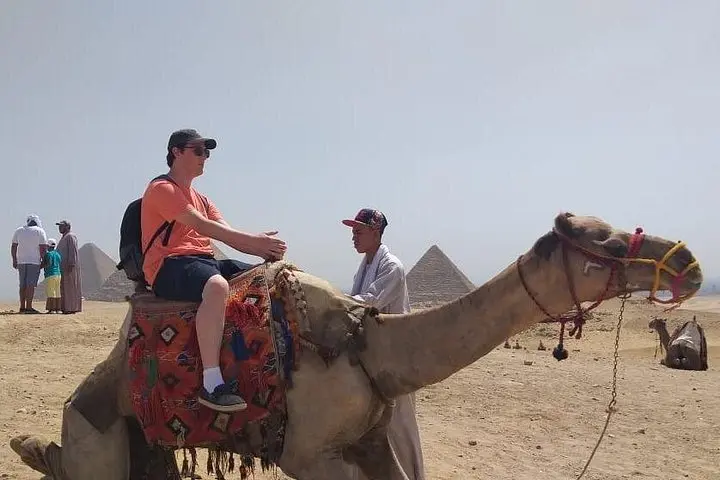
This itinerary lists a 30-minute camel ride; animals are generally handled by experienced local handlers—ask about footing and dismount assistance if you have mobility concerns.
Yes—favorable winds and calm river conditions are needed; operators may cancel or shorten the sail for safety.
Misk Tours operates guided outdoor trips and adventures with an emphasis on safety, stewardship, and memorable experiences.
You step out of an air-conditioned minivan into a wind that carries fine Saharan dust and the outline of the Great Pyramid cuts the sky like a weathered monolith daring you to approach.
You step out of an air-conditioned minivan into a wind that carries fine Saharan dust and the outline of the Great Pyramid cuts the sky like a weathered monolith daring you to approach.
The day unfolds across deep layers of history: the Giza Plateau—built around 2560 BCE—still shows the heft of its limestone blocks and the scars of centuries that removed the smooth casing stones. Inside Cairo, the Egyptian Museum at Tahrir holds more than 250,000 artifacts, from everyday pottery to the glinting treasures of Tutankhamen, each object a practical clue to how this civilization organized life, death and power.
Culturally, the tour stitches together ancient funerary engineering with living urban markets. Khan El-Khalili’s narrow lanes offer copper workshops, spice stalls and cafes where the Ottoman and Mamluk eras still set patterns of commerce. Ending on the Nile, a traditional felucca ride returns movement to the day—the river pushing gently, carrying the city’s modern noise past age-old riverbanks.
Practical guidance: expect eight hours of moderate walking on uneven stone, sand and city pavement; heat and sun are the main hazards—schedule early morning or late afternoon for the Plateau. Entrance to the Great Pyramid and Tutankhamen’s inner exhibits are often extra; bring local currency. Wear sturdy closed shoes for the Plateau and breathable layers for the museum. Carry a hat, sunscreen and 1–2 liters of water; bottled water is usually provided on guided tours. Tipping guides and drivers is customary. If you want quieter photos, ask to stop at the peripheral viewpoints rather than the busy main ramp.
This is a full-day, sensory-forward way to see Egypt’s ancient spine with practical comforts and a local expert to steer timing, lines and logistics.