THE ADVENTURE COLLECTIVE® · Independent discovery and booking for outdoor travel

Spend a day with a private guide exploring Kopan Monastery, the vast Boudhanath stupa and Swayambhunath’s hilltop views. This full-day cultural tour combines close-up ritual, panoramic vistas, and practical tips for navigating Kathmandu’s most important Buddhist sites.
Spend a day with a private guide exploring Kopan Monastery, the vast Boudhanath stupa and Swayambhunath’s hilltop views. This full-day cultural tour combines close-up ritual, panoramic vistas, and practical tips for navigating Kathmandu’s most important Buddhist sites.
The day begins with Kathmandu slowing into view as your private car eases up out of the city — prayer flags flap above terraced lanes, and the valley opens like a living map. You arrive first at Kopan Monastery, where the hum of chanting and the scent of incense mark a deliberate pause; monks move through courtyards with the day’s rhythm.
Verified experiences and guided adventures in the surrounding area.
Operated by Himalayan Planet Adventures · Kathmandu, Bagmati Province
The day begins with Kathmandu slowing into view as your private car eases up out of the city — prayer flags flap above terraced lanes, and the valley opens like a living map. You arrive first at Kopan Monastery, where the hum of chanting and the scent of incense mark a deliberate pause; monks move through courtyards with the day’s rhythm.
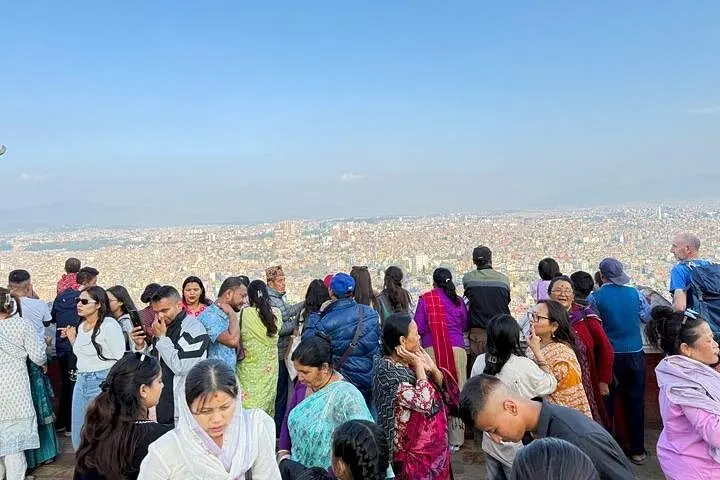
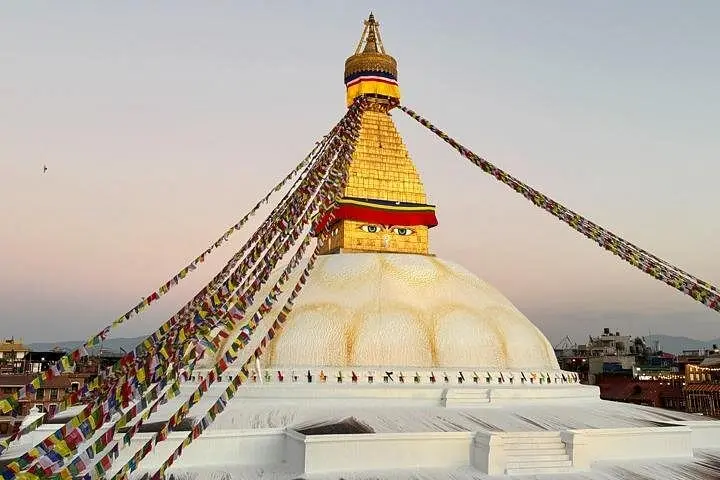
These three sites stitch together history and belief: Swayambhunath sits on an ancient hillock and affords sweeping views across the basin; its stupa and terraces date back roughly two millennia. Boudhanath’s massive dome is the focal point for Tibetan Buddhists and the largest stupa in Nepal, its eyes watching the circular current of pilgrims and traders. Geology here is folded — the valley is a high inland basin ringed by ridges that shape light and weather, concentrating views and the flow of pilgrims.
Culturally, Kathmandu’s Buddhist practice coexists with Hindu streetside shrines; expect mantras, butter lamps, and vendors selling malas and tsampa. Small details matter: the prayer-wheel alleys around Boudhanath, the daily Dharma talks at Kopan, and the mischievous rhesus macaques of Swayambhu.
Practically, the tour runs about 6–7 hours with hotel pickup. Dress conservatively (knees and shoulders covered), carry cash for donations and small purchases, and wear sturdy shoes for uneven stone steps. Bring water and a light layer — mornings can be cool, afternoons warm. Keep phone cameras ready but be respectful during rituals; let the sites set the pace, and the valley will reward you with quiet moments between the circuit of pilgrims.
Yes—pickup and drop-off inside the Kathmandu ring road and Boudha area are included in the tour price.
Entrance fees are not included; bring cash to cover any site-specific donations or fees your guide may advise.
The tour is rated easy and appropriate for most ages, though Swayambhunath requires climbing many steps which may be challenging for some.
You can attend the daily Dharma talk (Mon–Fri) if it coincides with your visit; the guide will advise on timing and etiquette.
Himalayan Planet Adventures operates guided outdoor trips and adventures with an emphasis on safety, stewardship, and memorable experiences.
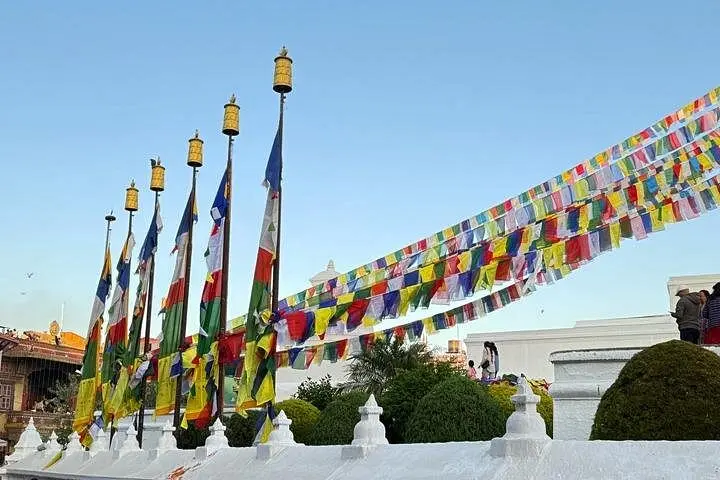
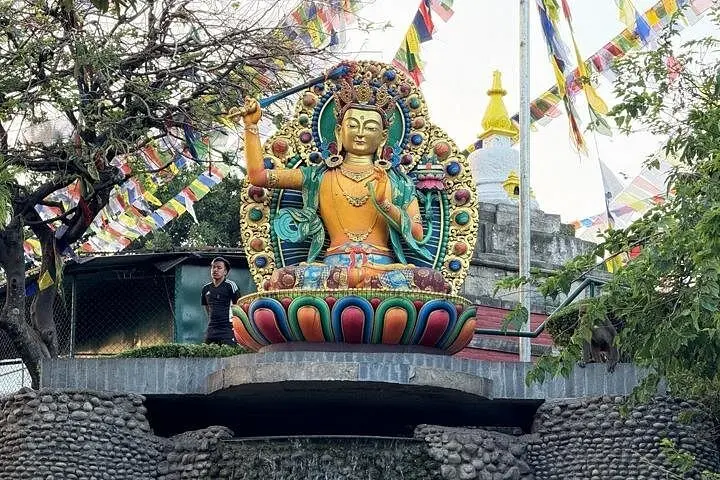
The day begins with Kathmandu slowing into view as your private car eases up out of the city — prayer flags flap above terraced lanes, and the valley opens like a living map. You arrive first at Kopan Monastery, where the hum of chanting and the scent of incense mark a deliberate pause; monks move through courtyards with the day’s rhythm.
The day begins with Kathmandu slowing into view as your private car eases up out of the city — prayer flags flap above terraced lanes, and the valley opens like a living map. You arrive first at Kopan Monastery, where the hum of chanting and the scent of incense mark a deliberate pause; monks move through courtyards with the day’s rhythm.
These three sites stitch together history and belief: Swayambhunath sits on an ancient hillock and affords sweeping views across the basin; its stupa and terraces date back roughly two millennia. Boudhanath’s massive dome is the focal point for Tibetan Buddhists and the largest stupa in Nepal, its eyes watching the circular current of pilgrims and traders. Geology here is folded — the valley is a high inland basin ringed by ridges that shape light and weather, concentrating views and the flow of pilgrims.
Culturally, Kathmandu’s Buddhist practice coexists with Hindu streetside shrines; expect mantras, butter lamps, and vendors selling malas and tsampa. Small details matter: the prayer-wheel alleys around Boudhanath, the daily Dharma talks at Kopan, and the mischievous rhesus macaques of Swayambhu.
Practically, the tour runs about 6–7 hours with hotel pickup. Dress conservatively (knees and shoulders covered), carry cash for donations and small purchases, and wear sturdy shoes for uneven stone steps. Bring water and a light layer — mornings can be cool, afternoons warm. Keep phone cameras ready but be respectful during rituals; let the sites set the pace, and the valley will reward you with quiet moments between the circuit of pilgrims.