THE ADVENTURE COLLECTIVE® · Independent discovery and booking for outdoor travel

Explore Luxor’s West Bank with private access to the Tomb of Nefertari and Tutankhamun. This 6–7 hour guided tour combines limited‑access tomb visits, temple stops and local Egyptologist interpretation for an in-depth look at New Kingdom funerary art.
Explore Luxor’s West Bank with private access to the Tomb of Nefertari and Tutankhamun. This 6–7 hour guided tour combines limited‑access tomb visits, temple stops and local Egyptologist interpretation for an in-depth look at New Kingdom funerary art.
You step off the air-conditioned vehicle onto sun-warmed limestone; the West Bank hills of Luxor rise like folded pages of an open book and the desert wind nudges sand across steps worn by millennia of feet.
Verified experiences and guided adventures in the surrounding area.
Operated by Get Egypt Vacation · Luxor, Luxor Governorate
You step off the air-conditioned vehicle onto sun-warmed limestone; the West Bank hills of Luxor rise like folded pages of an open book and the desert wind nudges sand across steps worn by millennia of feet.
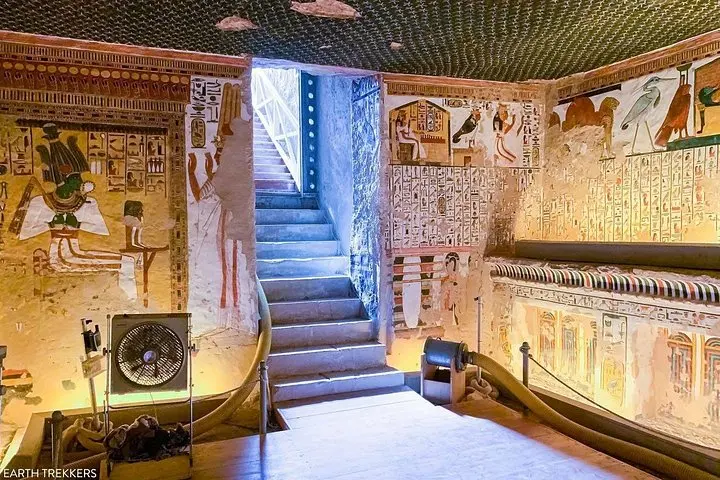
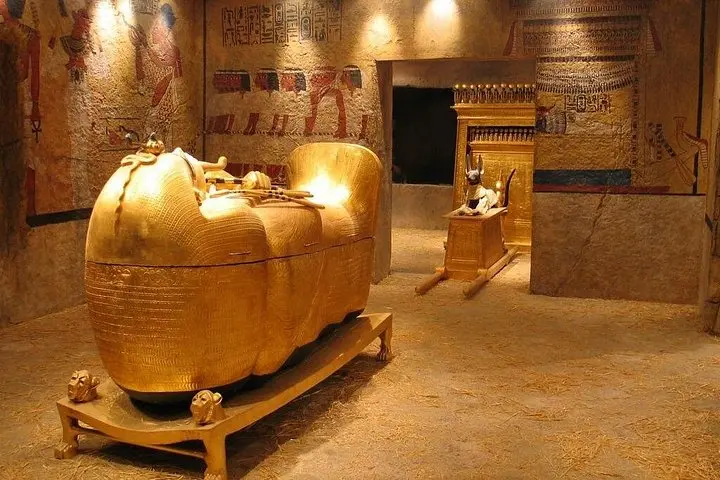
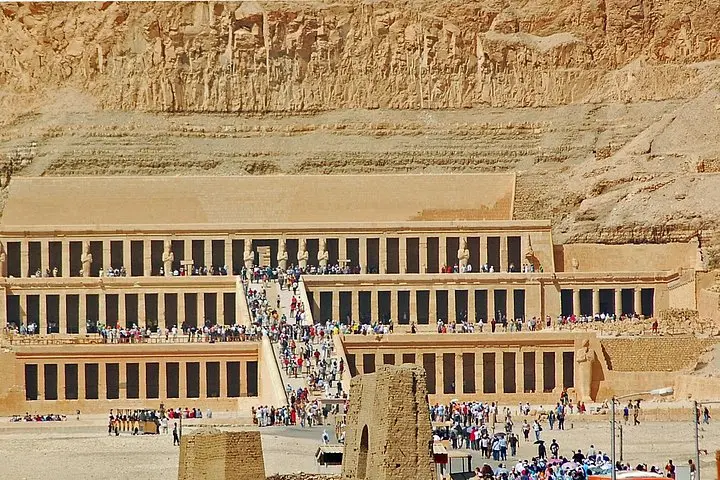
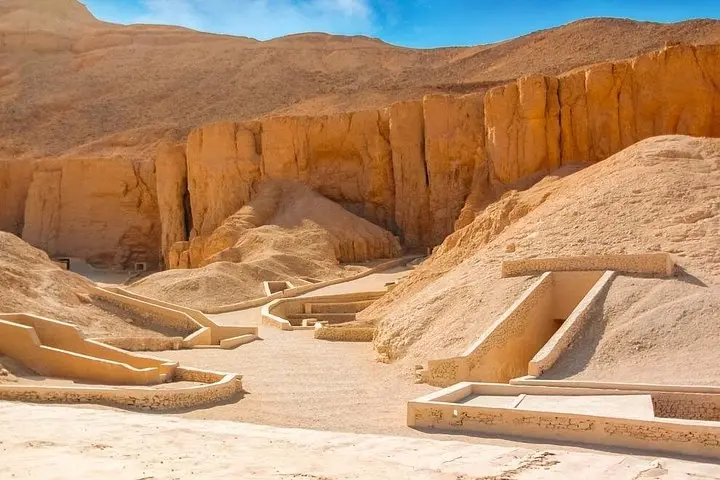
This private full-day tour threads through the funerary landscape of ancient Thebes—starting at the Valley of the Queens to stand before Queen Nefertari’s famously frescoed tomb, then crossing to the Valley of the Kings where Tutankhamun’s burial chamber and three other royal tombs reveal polychrome reliefs and silent corridors carved into the Theban limestone. The route includes the Colossi of Memnon and the Mortuary Temple of Hatshepsut, connecting mortuary cults, royal ideology and New Kingdom geology: compacted limestone and sandstone sculpted by wind, Nile floods and ancient quarrying.
Local Egyptologists will translate inscriptions into context: dynastic claims, afterlife spells and funerary rites that shaped pharaonic power. Cultural notes—ticket quotas, conservation measures and the sensitive pigments inside tombs—explain why access is limited and why some chambers feel hushed.
Practical guidance: expect 6–7 hours total with short walks, stair descents and uneven rock; temperatures spike midday so plan morning entries to cooler tomb air. Cameras are often restricted inside tombs; carry water, sunscreen, low-profile closed shoes and a small daypack. Modest clothing is respectful in temple complexes; bring a soft scarf for sun and dust. Private pickup/drop-off in central Luxor and entrance fees are included—book ahead to secure access to the exclusive Nefertari and Tutankhamun tombs.
This private itinerary includes access but Nefertari has limited daily quotas—book early; entry is subject to site authority availability.
Photographic rules vary by tomb—some prohibit photography to protect pigments; your guide will advise on-site and during visits.
The tour is rated easy overall but involves stair descents, narrow corridors and uneven flooring; wear sturdy shoes and be prepared to stand during explanations.
Yes; the tour description lists entrance fees to the mentioned sites and round‑trip transfers from centrally located Luxor hotels as included.
Get Egypt Vacation operates guided outdoor trips and adventures with an emphasis on safety, stewardship, and memorable experiences.
You step off the air-conditioned vehicle onto sun-warmed limestone; the West Bank hills of Luxor rise like folded pages of an open book and the desert wind nudges sand across steps worn by millennia of feet.
You step off the air-conditioned vehicle onto sun-warmed limestone; the West Bank hills of Luxor rise like folded pages of an open book and the desert wind nudges sand across steps worn by millennia of feet.
This private full-day tour threads through the funerary landscape of ancient Thebes—starting at the Valley of the Queens to stand before Queen Nefertari’s famously frescoed tomb, then crossing to the Valley of the Kings where Tutankhamun’s burial chamber and three other royal tombs reveal polychrome reliefs and silent corridors carved into the Theban limestone. The route includes the Colossi of Memnon and the Mortuary Temple of Hatshepsut, connecting mortuary cults, royal ideology and New Kingdom geology: compacted limestone and sandstone sculpted by wind, Nile floods and ancient quarrying.
Local Egyptologists will translate inscriptions into context: dynastic claims, afterlife spells and funerary rites that shaped pharaonic power. Cultural notes—ticket quotas, conservation measures and the sensitive pigments inside tombs—explain why access is limited and why some chambers feel hushed.
Practical guidance: expect 6–7 hours total with short walks, stair descents and uneven rock; temperatures spike midday so plan morning entries to cooler tomb air. Cameras are often restricted inside tombs; carry water, sunscreen, low-profile closed shoes and a small daypack. Modest clothing is respectful in temple complexes; bring a soft scarf for sun and dust. Private pickup/drop-off in central Luxor and entrance fees are included—book ahead to secure access to the exclusive Nefertari and Tutankhamun tombs.