THE ADVENTURE COLLECTIVE® · Independent discovery and booking for outdoor travel

Take a private full‑day trip from Prague to the Mauthausen Concentration Camp Memorial with round‑trip transport and an English audio guide. This self‑paced visit covers the quarry, Stairs of Death, SS quarters and the museum’s Room of Names.
Take a private full‑day trip from Prague to the Mauthausen Concentration Camp Memorial with round‑trip transport and an English audio guide. This self‑paced visit covers the quarry, Stairs of Death, SS quarters and the museum’s Room of Names.
You arrive on a clear morning in a comfortable sedan, Prague shrinking behind you as the road eases into South Bohemia and the low hills of Upper Austria draw closer. The air here is cooler; the Danube sits like a slow, watchful neighbor nearby, and the granite face of the Wiener-Graben quarry cuts a raw line through the landscape that once defined forced labor and death.
Verified experiences and guided adventures in the surrounding area.
Operated by Visita Praga · Mauthausen, Upper Austria
You arrive on a clear morning in a comfortable sedan, Prague shrinking behind you as the road eases into South Bohemia and the low hills of Upper Austria draw closer. The air here is cooler; the Danube sits like a slow, watchful neighbor nearby, and the granite face of the Wiener-Graben quarry cuts a raw line through the landscape that once defined forced labor and death.
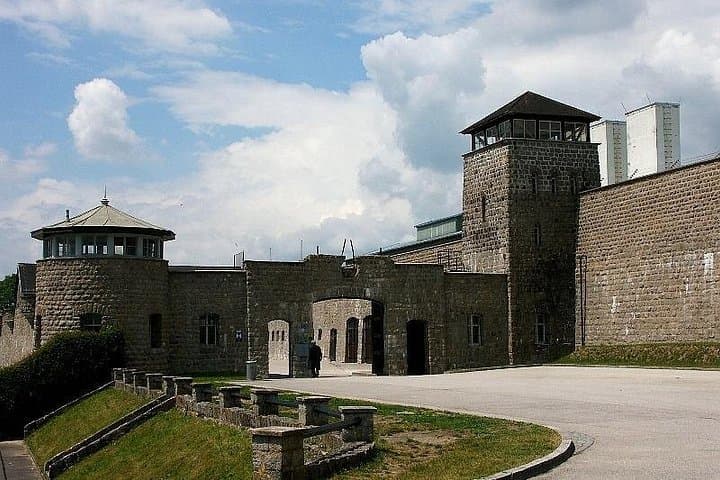
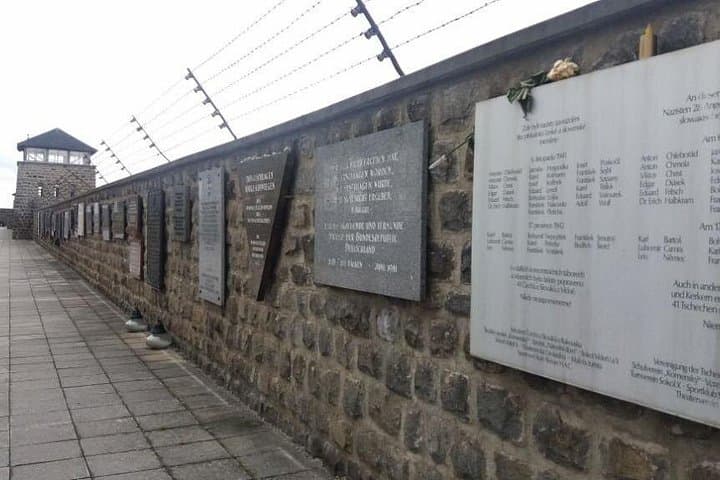
Mauthausen was established in 1938 and became one of the most notorious sites in the Nazi camp system. The memorial preserves barracks, SS quarters, the Camp Prison, the Stairs of Death and the quarry where prisoners were worked to exhaustion. Geology and history intersect: the quarry’s dense granite was both a resource and a site of brutality. The recently re-opened museum and the Room of Names use photographs, documents and multimedia to trace individual stories and broader political context.
Visitors move deliberately here—an audio guide structures the self-paced visit while leaving room for quiet reflection. Expect paved pathways with some steep stone steps at viewpoints and open-air exhibits exposed to the weather. Practicalities matter: bring a passport for cross-border travel, dress respectfully and allow time to sit at the memorial to absorb the exhibits. Hydrate, wear supportive footwear, and plan for a long day—round-trip transport from Prague takes roughly three hours each way.
This private tour bundles logistics so visitors can focus on learning and remembrance. Arrive prepared, give yourself space to reflect, and treat the site with the solemn attention it requires.
Yes — the tour includes entrance to the Mauthausen Memorial and an English-language audio guide as listed in the inclusions.
Yes — the private transfer provides hotel pickup and drop-off within Prague; confirm your pickup point when booking.
The memorial and transportation options are described as wheelchair accessible, though some uneven areas near the quarry may be challenging—contact the operator to confirm specific needs.
While transport and the site are accessible to families, the subject matter is heavy; consider the child’s maturity when deciding to visit.
Visita Praga operates guided outdoor trips and adventures with an emphasis on safety, stewardship, and memorable experiences.
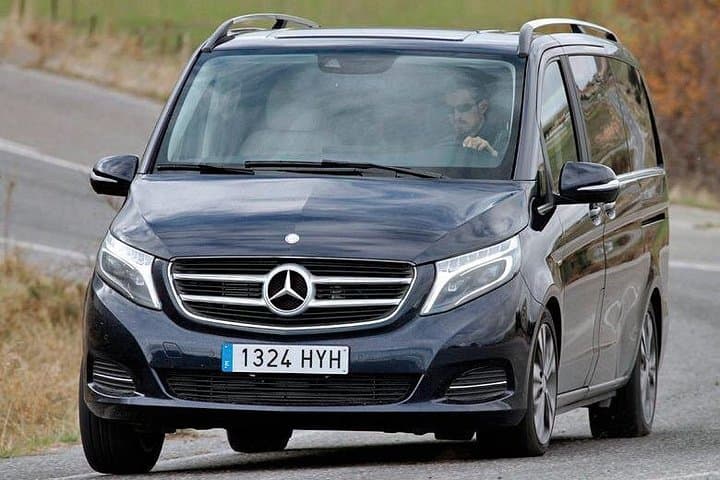
You arrive on a clear morning in a comfortable sedan, Prague shrinking behind you as the road eases into South Bohemia and the low hills of Upper Austria draw closer. The air here is cooler; the Danube sits like a slow, watchful neighbor nearby, and the granite face of the Wiener-Graben quarry cuts a raw line through the landscape that once defined forced labor and death.
You arrive on a clear morning in a comfortable sedan, Prague shrinking behind you as the road eases into South Bohemia and the low hills of Upper Austria draw closer. The air here is cooler; the Danube sits like a slow, watchful neighbor nearby, and the granite face of the Wiener-Graben quarry cuts a raw line through the landscape that once defined forced labor and death.
Mauthausen was established in 1938 and became one of the most notorious sites in the Nazi camp system. The memorial preserves barracks, SS quarters, the Camp Prison, the Stairs of Death and the quarry where prisoners were worked to exhaustion. Geology and history intersect: the quarry’s dense granite was both a resource and a site of brutality. The recently re-opened museum and the Room of Names use photographs, documents and multimedia to trace individual stories and broader political context.
Visitors move deliberately here—an audio guide structures the self-paced visit while leaving room for quiet reflection. Expect paved pathways with some steep stone steps at viewpoints and open-air exhibits exposed to the weather. Practicalities matter: bring a passport for cross-border travel, dress respectfully and allow time to sit at the memorial to absorb the exhibits. Hydrate, wear supportive footwear, and plan for a long day—round-trip transport from Prague takes roughly three hours each way.
This private tour bundles logistics so visitors can focus on learning and remembrance. Arrive prepared, give yourself space to reflect, and treat the site with the solemn attention it requires.