THE ADVENTURE COLLECTIVE® · Independent discovery and booking for outdoor travel

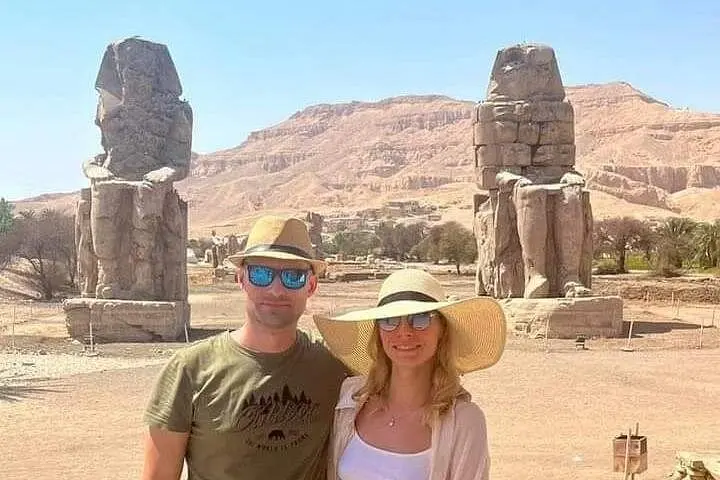
A private Egyptologist-led circuit of Luxor’s West Bank that combines the Valley of the Kings, Hatshepsut’s temple, Medinet Habu, Deir el-Medina and the Colossi of Memnon in a single full-day outing. Expect guided storytelling, close-up reliefs and a steady pace of walking across uneven, historic terrain.
A private Egyptologist-led circuit of Luxor’s West Bank that combines the Valley of the Kings, Hatshepsut’s temple, Medinet Habu, Deir el-Medina and the Colossi of Memnon in a single full-day outing. Expect guided storytelling, close-up reliefs and a steady pace of walking across uneven, historic terrain.
You step off the air-conditioned car into a sun-baked sweep of ochre cliffs and flat desert stretching behind rammed-earth villages. The West Bank’s cliffs rise like pages of history: carved chambers, painted corridors and the quiet of courtyards where wind drifts sand through stone columns.
Verified experiences and guided adventures in the surrounding area.
Operated by Remoza tours · Luxor, Luxor
You step off the air-conditioned car into a sun-baked sweep of ochre cliffs and flat desert stretching behind rammed-earth villages. The West Bank’s cliffs rise like pages of history: carved chambers, painted corridors and the quiet of courtyards where wind drifts sand through stone columns.
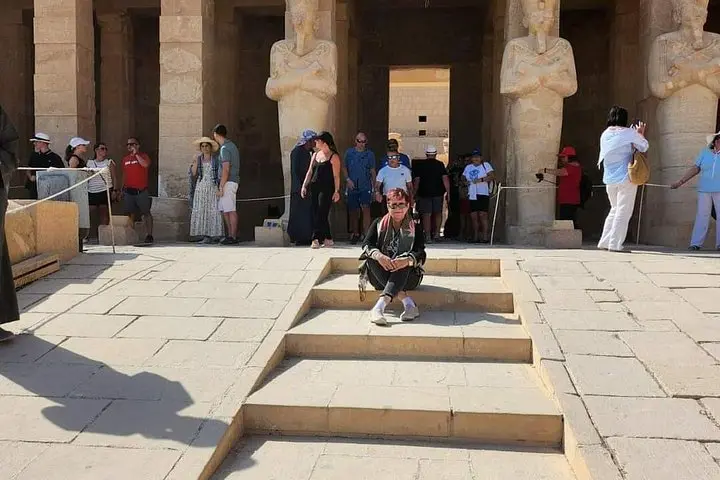
This route threads New Kingdom powerhouses — the Valley of the Kings where pharaohs’ tombs plunge into limestone; Hatshepsut’s geometric mortuary temple cut into the cliff face; Medinet Habu’s imposing reliefs celebrating Ramses III; and the quieter, human-scale houses of Deir el-Medina where artisans lived. Geologically, the Theban plateau’s limestone and local quartzite dictated tomb placement and the durability of its surface reliefs, which survive because the wind and dry climate slow decay.
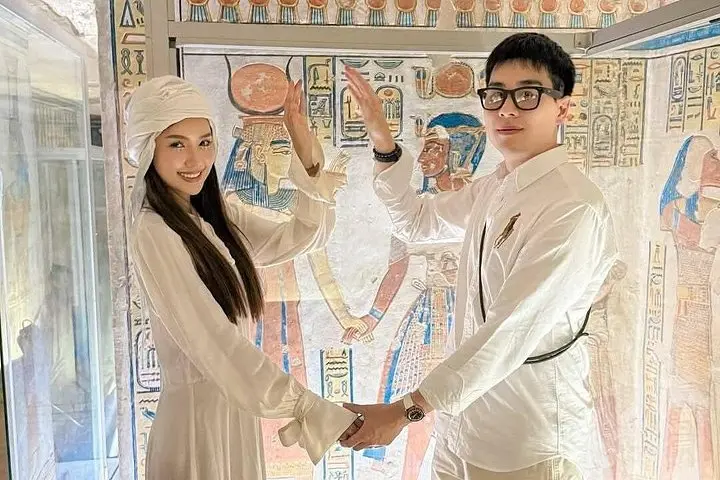
Culture here is tactile: priests, craftsmen and royal iconography governed the afterlife economy that produced these monuments. A private Egyptologist guides you through symbolism and burial rituals that casual tours skip, turning columns into stories and hieroglyphs into names.
Practical note: plan for a 6–7 hour day with uneven stone floors, steep steps and open sun. Start early to avoid the hottest hours, carry plenty of water, wear sturdy shoes and modest clothing respectful of local customs. Some high-profile tombs have separate entry fees and photography rules — your guide will advise. Expect a full day of walking, short drives and intense, close-up encounters with 3,000+ years of history — and space to breathe in the desert’s remarkable quiet between monuments.
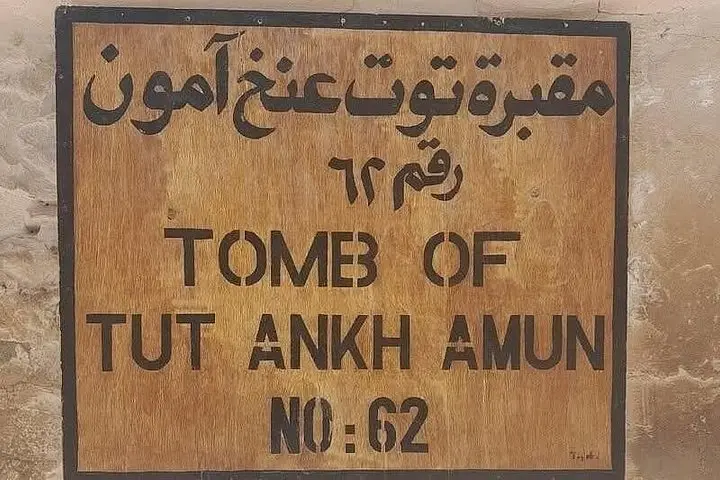
Some main sites are included, but several famous tombs (e.g., Tutankhamun, Nefertari) often require separate tickets; your booking or guide will confirm which are covered.
Photography rules vary by tomb and can change; flash is frequently prohibited to protect pigments—follow your guide’s instructions.
The tour is labeled suitable for most fitness levels, but many tombs have narrow corridors and steps; request wheelchair-accessible options at booking and check which sites are feasible.
Early morning pickups are typical (around sunrise) to maximize cooler hours and quieter sites; exact pickup is arranged during booking based on your hotel or cruise location.
Remoza tours operates guided outdoor trips and adventures with an emphasis on safety, stewardship, and memorable experiences.
You step off the air-conditioned car into a sun-baked sweep of ochre cliffs and flat desert stretching behind rammed-earth villages. The West Bank’s cliffs rise like pages of history: carved chambers, painted corridors and the quiet of courtyards where wind drifts sand through stone columns.
You step off the air-conditioned car into a sun-baked sweep of ochre cliffs and flat desert stretching behind rammed-earth villages. The West Bank’s cliffs rise like pages of history: carved chambers, painted corridors and the quiet of courtyards where wind drifts sand through stone columns.
This route threads New Kingdom powerhouses — the Valley of the Kings where pharaohs’ tombs plunge into limestone; Hatshepsut’s geometric mortuary temple cut into the cliff face; Medinet Habu’s imposing reliefs celebrating Ramses III; and the quieter, human-scale houses of Deir el-Medina where artisans lived. Geologically, the Theban plateau’s limestone and local quartzite dictated tomb placement and the durability of its surface reliefs, which survive because the wind and dry climate slow decay.
Culture here is tactile: priests, craftsmen and royal iconography governed the afterlife economy that produced these monuments. A private Egyptologist guides you through symbolism and burial rituals that casual tours skip, turning columns into stories and hieroglyphs into names.
Practical note: plan for a 6–7 hour day with uneven stone floors, steep steps and open sun. Start early to avoid the hottest hours, carry plenty of water, wear sturdy shoes and modest clothing respectful of local customs. Some high-profile tombs have separate entry fees and photography rules — your guide will advise. Expect a full day of walking, short drives and intense, close-up encounters with 3,000+ years of history — and space to breathe in the desert’s remarkable quiet between monuments.