THE ADVENTURE COLLECTIVE® · Independent discovery and booking for outdoor travel

Walk among the largest living things on Earth on a private, full-day guided hike through the Tuolumne and Merced Groves in Yosemite. This experience combines close-up encounters with 2000–3000-year-old sequoias, interpretive stops, and manageable hiking across uneven mountain trails.
Walk among the largest living things on Earth on a private, full-day guided hike through the Tuolumne and Merced Groves in Yosemite. This experience combines close-up encounters with 2000–3000-year-old sequoias, interpretive stops, and manageable hiking across uneven mountain trails.
You step off the shuttle and into a quiet that feels deliberate: the forest closes in, needles softening each footfall, and trunks the diameter of small houses rise out of sight. On this private hike through Yosemite’s Tuolumne and Merced Groves the trees do most of the talking. They tilt, shadow, and hold the air; a guide points out fire scars and hollowed niches where generations of wildlife have nested and warmed.
Verified experiences and guided adventures in the surrounding area.
Operated by Lasting Adventures · Yosemite Valley, California
You step off the shuttle and into a quiet that feels deliberate: the forest closes in, needles softening each footfall, and trunks the diameter of small houses rise out of sight. On this private hike through Yosemite’s Tuolumne and Merced Groves the trees do most of the talking. They tilt, shadow, and hold the air; a guide points out fire scars and hollowed niches where generations of wildlife have nested and warmed.
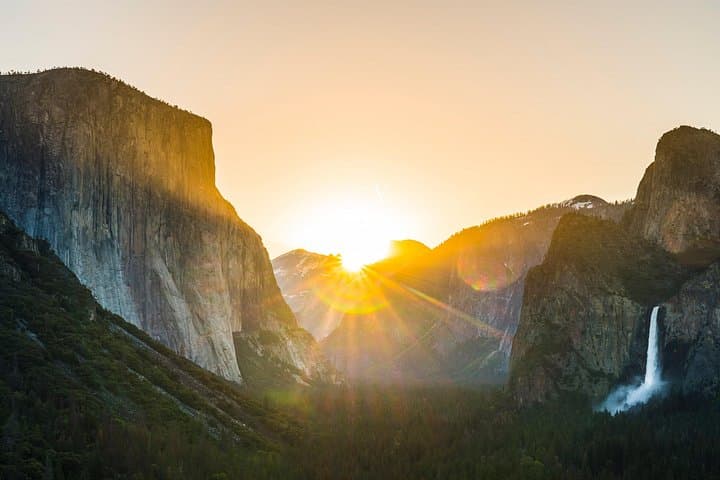
These are not ornamental trees in a park — giant sequoias are geological actors. They evolved to thrive on Sierra winters, thick bark buffering fires that thin the understory and clear the way for new saplings. The groves sit on glacially scoured slopes and river terraces carved by the same ice that shaped Yosemite’s cliffs. Human history here is layered: native Miwok and Mono peoples managed these groves long before the earliest Euro-American explorers recorded them, and 19th-century naturalists helped push for protection as the trees’ scale and longevity drew national attention.
The hike is practical and sensory. Depending on routing, expect roughly 4–6 miles of walking with a cumulative 400–800 feet of elevation change — gentle switchbacks, a few steep stair sections, and root-laced tread where trunks cross the trail. Along the way your guide stops at named specimens and vanished giants: hollow trunks that once sheltered miners, fallen crowns that now nurse seedlings. Birds — woodpeckers and Steller’s jays — provide punctuations of motion and sound. The groves themselves control the light; shafts of sun pick out rings and resin beads.
Plan for a full-day outing: the operator lists this as an eight-hour experience that includes guided time and transit between trailheads. Bring layered clothing (shade can be surprisingly cool), sturdy boots, and at least 2 liters of water. Summer brings crowds to nearby attractions; a private tour still gives you time in quieter patches of forest. Spring and fall pack wildflower and lichen details, while winter can cloak trunks in snow and close some access — check conditions before you go.
Logistics are straightforward: meet at the Tuolumne Grove parking lot at the scheduled time. The private format is ideal for photographers, families, or anyone wanting a measured pace with interpretive context. Above all, treat the groves with restraint — these trees survived millennia of climate swings and fire. Your best contribution is a careful, quiet tread and leaving the forest as you found it: standing, breathing, and ready to welcome the next generation of visitors.
The tour is scheduled as an eight-hour outing; expect 4–6 miles of walking at a moderate, interpretive pace with frequent stops.
Park entrance fees are not included; check Yosemite National Park’s current vehicle or per-person fees before arrival.
Yes, if participants can handle moderate trails and sustained walking; discuss mobility or medical needs with the operator in advance.
Yes — private tours are photo-friendly. Bring a telephoto for birds and a wide lens for whole-tree shots.
Trips may be canceled for severe weather; cancellations at least 24 hours before departure are fully refundable per the operator’s policy.
Pets are generally not permitted on guided wilderness hikes inside Yosemite; confirm with the operator before booking.
Lasting Adventures operates guided outdoor trips and adventures with an emphasis on safety, stewardship, and memorable experiences.
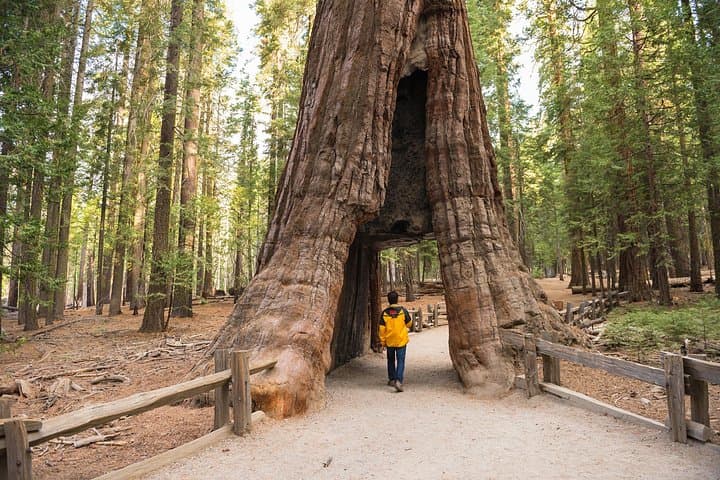
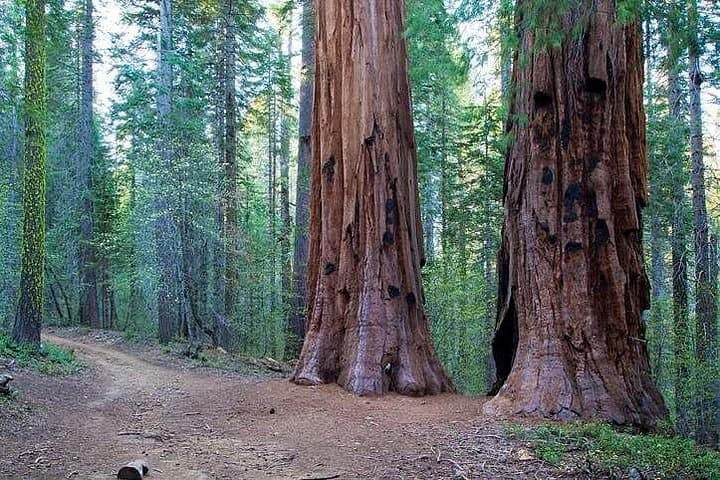
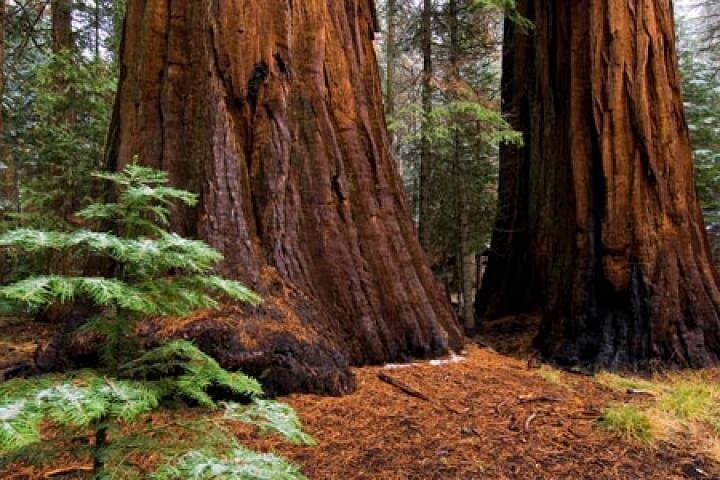
You step off the shuttle and into a quiet that feels deliberate: the forest closes in, needles softening each footfall, and trunks the diameter of small houses rise out of sight. On this private hike through Yosemite’s Tuolumne and Merced Groves the trees do most of the talking. They tilt, shadow, and hold the air; a guide points out fire scars and hollowed niches where generations of wildlife have nested and warmed.
You step off the shuttle and into a quiet that feels deliberate: the forest closes in, needles softening each footfall, and trunks the diameter of small houses rise out of sight. On this private hike through Yosemite’s Tuolumne and Merced Groves the trees do most of the talking. They tilt, shadow, and hold the air; a guide points out fire scars and hollowed niches where generations of wildlife have nested and warmed.
These are not ornamental trees in a park — giant sequoias are geological actors. They evolved to thrive on Sierra winters, thick bark buffering fires that thin the understory and clear the way for new saplings. The groves sit on glacially scoured slopes and river terraces carved by the same ice that shaped Yosemite’s cliffs. Human history here is layered: native Miwok and Mono peoples managed these groves long before the earliest Euro-American explorers recorded them, and 19th-century naturalists helped push for protection as the trees’ scale and longevity drew national attention.
The hike is practical and sensory. Depending on routing, expect roughly 4–6 miles of walking with a cumulative 400–800 feet of elevation change — gentle switchbacks, a few steep stair sections, and root-laced tread where trunks cross the trail. Along the way your guide stops at named specimens and vanished giants: hollow trunks that once sheltered miners, fallen crowns that now nurse seedlings. Birds — woodpeckers and Steller’s jays — provide punctuations of motion and sound. The groves themselves control the light; shafts of sun pick out rings and resin beads.
Plan for a full-day outing: the operator lists this as an eight-hour experience that includes guided time and transit between trailheads. Bring layered clothing (shade can be surprisingly cool), sturdy boots, and at least 2 liters of water. Summer brings crowds to nearby attractions; a private tour still gives you time in quieter patches of forest. Spring and fall pack wildflower and lichen details, while winter can cloak trunks in snow and close some access — check conditions before you go.
Logistics are straightforward: meet at the Tuolumne Grove parking lot at the scheduled time. The private format is ideal for photographers, families, or anyone wanting a measured pace with interpretive context. Above all, treat the groves with restraint — these trees survived millennia of climate swings and fire. Your best contribution is a careful, quiet tread and leaving the forest as you found it: standing, breathing, and ready to welcome the next generation of visitors.