THE ADVENTURE COLLECTIVE® · Independent discovery and booking for outdoor travel
A private 8-hour journey from Belfast along the Antrim Coast to the Giant’s Causeway—walk the iconic basalt columns, hear ancient legends, and catch sweeping coastal views. Customizable stops let you blend geology, history, and village life into one full day.
A private 8-hour journey from Belfast along the Antrim Coast to the Giant’s Causeway—walk the iconic basalt columns, hear ancient legends, and catch sweeping coastal views. Customizable stops let you blend geology, history, and village life into one full day.
You arrive at the edge of the Atlantic where basalt columns fan out like a stepped amphitheater and the sea keeps time with a steady, thrumming breath.
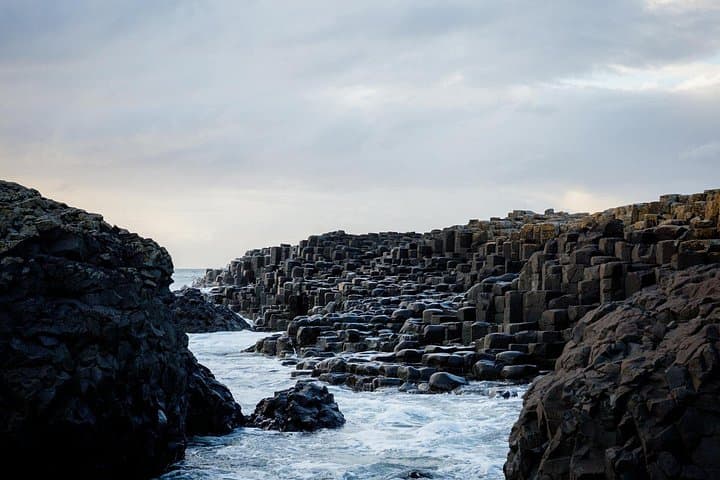
Waves dare the stones, spray sketching white across the hexagons; cliffs to the left drop in dark layers while gulls wheel and call. The drive along the Antrim Coast—craggy headlands, ruined castles, and fishing villages—sets the scene before you step onto the UNESCO site itself.
Verified experiences and guided adventures in the surrounding area.
Operated by Tour Travel & More · Bushmills, County Antrim
You arrive at the edge of the Atlantic where basalt columns fan out like a stepped amphitheater and the sea keeps time with a steady, thrumming breath.
Waves dare the stones, spray sketching white across the hexagons; cliffs to the left drop in dark layers while gulls wheel and call. The drive along the Antrim Coast—craggy headlands, ruined castles, and fishing villages—sets the scene before you step onto the UNESCO site itself.
The Causeway formed roughly 50–60 million years ago when lava cooled and contracted into over 40,000 interlocking basalt columns. Science and story live side by side here: the geology explains the shapes, local legend credits the giant Finn McCool for building a bridge to Scotland. Nearby Bushmills has long been a crossroads for coastal trade and whiskey-making, giving the area a culture shaped by sea, stone, and craft.
On a private tour from Belfast you get an 8‑hour itinerary with flexible stops—walk the lower causeway, climb to the clifftop for panorama, and pause for lunch in a village pub. Expect uneven, sometimes slippery rock; allow at least 45–90 minutes on the stones to move at a relaxed pace. Mid-morning or late afternoon visits reduce crowds and catch lower light for photography.
Practical notes: wear sturdy shoes, bring windproof layers and a refillable water bottle, and check tide and weather before you go. Follow paths, respect signage around seabird nesting areas, and leave no trace—this is a living coastline that rewards quiet attention.
Typical private tours allocate 1–3 hours at the site depending on whether you explore the clifftop trails or stick to the lower causeway stones.
This private tour’s price often covers guiding and transport; entrance and visitor center fees may be separate—confirm with the operator when booking.
Yes—private tours commonly include hotel or central Belfast pickup and drop-off; provide your pickup location when booking.
Yes—short, flat sections are family-friendly, but the basalt can be tricky; supervise children and choose routes suited to mobility levels.
Tour Travel & More operates guided outdoor trips and adventures with an emphasis on safety, stewardship, and memorable experiences.
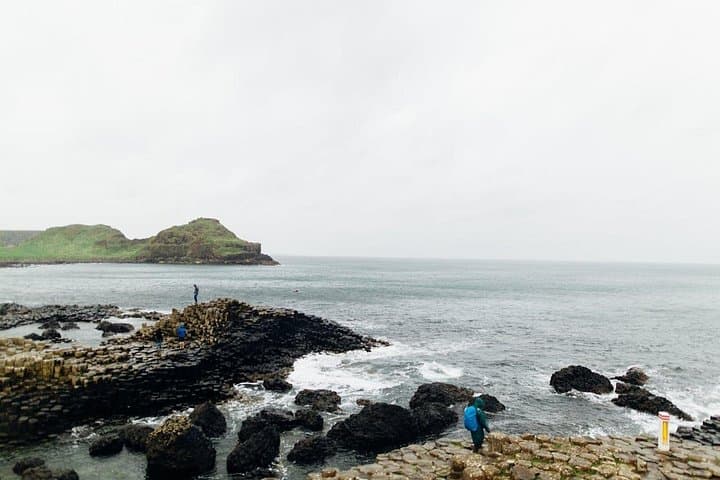
You arrive at the edge of the Atlantic where basalt columns fan out like a stepped amphitheater and the sea keeps time with a steady, thrumming breath.
Waves dare the stones, spray sketching white across the hexagons; cliffs to the left drop in dark layers while gulls wheel and call. The drive along the Antrim Coast—craggy headlands, ruined castles, and fishing villages—sets the scene before you step onto the UNESCO site itself.
The Causeway formed roughly 50–60 million years ago when lava cooled and contracted into over 40,000 interlocking basalt columns. Science and story live side by side here: the geology explains the shapes, local legend credits the giant Finn McCool for building a bridge to Scotland. Nearby Bushmills has long been a crossroads for coastal trade and whiskey-making, giving the area a culture shaped by sea, stone, and craft.
On a private tour from Belfast you get an 8‑hour itinerary with flexible stops—walk the lower causeway, climb to the clifftop for panorama, and pause for lunch in a village pub. Expect uneven, sometimes slippery rock; allow at least 45–90 minutes on the stones to move at a relaxed pace. Mid-morning or late afternoon visits reduce crowds and catch lower light for photography.
Practical notes: wear sturdy shoes, bring windproof layers and a refillable water bottle, and check tide and weather before you go. Follow paths, respect signage around seabird nesting areas, and leave no trace—this is a living coastline that rewards quiet attention.
