THE ADVENTURE COLLECTIVE® · Independent discovery and booking for outdoor travel

Walk Gion with a local who demystifies geisha culture and reveals quiet alleys, teahouses, and shrine lore. This private 2–3 hour tour pairs city history with practical tips to make the most of Kyoto’s most famous district.
Walk Gion with a local who demystifies geisha culture and reveals quiet alleys, teahouses, and shrine lore. This private 2–3 hour tour pairs city history with practical tips to make the most of Kyoto’s most famous district.
Lantern light pools on wet stones as you step into Gion; wooden machiya houses lean close, their latticed windows keeping centuries of conversation. Your guide—local, curious, practiced—leads you through a maze of narrow lanes where willow branches lean over the Kamo River and the city’s past presses gently against the present.
Verified experiences and guided adventures in the surrounding area.
Operated by City Unscripted · Kyoto, Kyoto Prefecture
Lantern light pools on wet stones as you step into Gion; wooden machiya houses lean close, their latticed windows keeping centuries of conversation. Your guide—local, curious, practiced—leads you through a maze of narrow lanes where willow branches lean over the Kamo River and the city’s past presses gently against the present.
Gion grew under the protection of Yasaka Shrine and the commerce of tea houses during the Edo period, evolving into the famous geiko and maiko culture that still shapes its streets. Kyoto sits in a basin ringed by low hills; runoff and river channels carved the shallow valleys that now form the city’s neighborhoods, while stone bridges like Tatsumi mark social as well as physical crossings. Pontocho and Shinbashi Dori reveal the interplay between private ochaya and public life—places your guide will illuminate with local stories and etiquette notes.
This private walking tour lasts about 2–3 hours and is customized to your interests—history, architecture, food, or geisha culture. Expect moderate walking on paved streets, occasional stairs, and places where the crowd thins into intimate alleys. Practical tips: don’t follow or block a maiko; ask before photographing; bring cash for small eateries; and plan an early-evening slot when lanterns ignite and the district calms.
Your host will contact you after booking to tailor timing and route, and may use public transit or taxis between sites. The experience is ideal for travelers who want context and nuance: it’s less about sightseeing checkboxes and more about slowing down to listen to the city’s living memory.
No—geiko and maiko movements are seasonal and private; guides can increase chances by planning timing, but sightings cannot be guaranteed and should be treated with respect.
The route is primarily flat paved streets and is stroller-accessible in many sections, but some alleyways have steps—discuss specific needs with your host when booking.
Your guide will confirm a public meeting point and may use short taxi rides or local transit if needed; exact transport arrangements are discussed after booking.
Yes—this private tour is tailored to your interests via a pre-tour questionnaire and direct communication with the host, so it can emphasize cuisine, architecture, or cultural context.
City Unscripted operates guided outdoor trips and adventures with an emphasis on safety, stewardship, and memorable experiences.

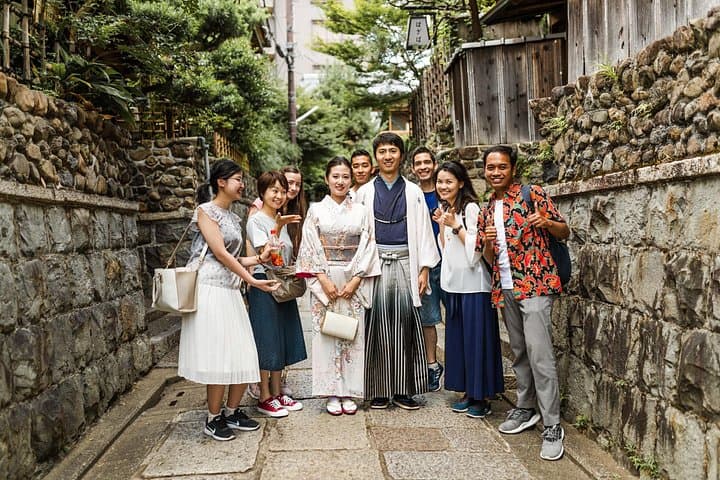


Lantern light pools on wet stones as you step into Gion; wooden machiya houses lean close, their latticed windows keeping centuries of conversation. Your guide—local, curious, practiced—leads you through a maze of narrow lanes where willow branches lean over the Kamo River and the city’s past presses gently against the present.
Lantern light pools on wet stones as you step into Gion; wooden machiya houses lean close, their latticed windows keeping centuries of conversation. Your guide—local, curious, practiced—leads you through a maze of narrow lanes where willow branches lean over the Kamo River and the city’s past presses gently against the present.
Gion grew under the protection of Yasaka Shrine and the commerce of tea houses during the Edo period, evolving into the famous geiko and maiko culture that still shapes its streets. Kyoto sits in a basin ringed by low hills; runoff and river channels carved the shallow valleys that now form the city’s neighborhoods, while stone bridges like Tatsumi mark social as well as physical crossings. Pontocho and Shinbashi Dori reveal the interplay between private ochaya and public life—places your guide will illuminate with local stories and etiquette notes.
This private walking tour lasts about 2–3 hours and is customized to your interests—history, architecture, food, or geisha culture. Expect moderate walking on paved streets, occasional stairs, and places where the crowd thins into intimate alleys. Practical tips: don’t follow or block a maiko; ask before photographing; bring cash for small eateries; and plan an early-evening slot when lanterns ignite and the district calms.
Your host will contact you after booking to tailor timing and route, and may use public transit or taxis between sites. The experience is ideal for travelers who want context and nuance: it’s less about sightseeing checkboxes and more about slowing down to listen to the city’s living memory.