THE ADVENTURE COLLECTIVE® · Independent discovery and booking for outdoor travel

Spend a full day with a private guide moving from the Giza plateau’s stone giants to downtown Cairo’s royal treasures, then unwind aboard a two‑hour Nile dinner cruise. This practical guide explains what to expect, what’s included, and how to prepare.
Spend a full day with a private guide moving from the Giza plateau’s stone giants to downtown Cairo’s royal treasures, then unwind aboard a two‑hour Nile dinner cruise. This practical guide explains what to expect, what’s included, and how to prepare.
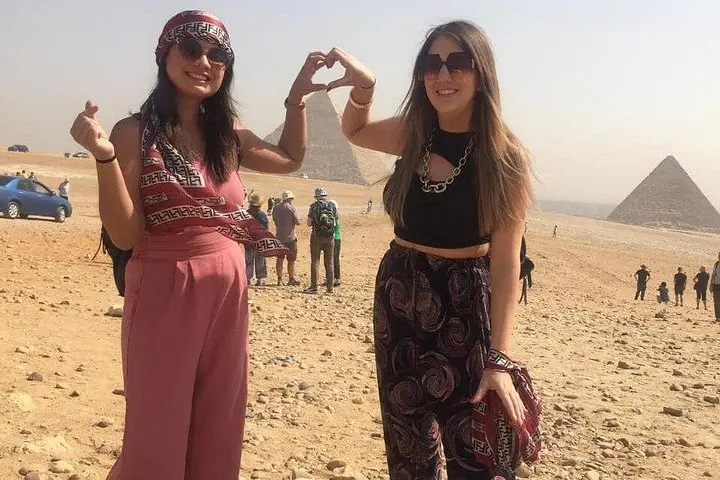
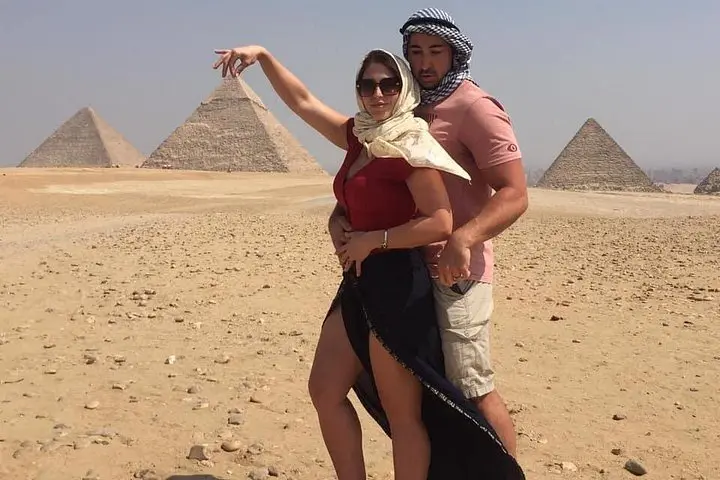
You step out of an air‑conditioned car into the dry wind that polishes the Giza plateau, limestone dust lifting around the silhouette of the Great Pyramid.
Verified experiences and guided adventures in the surrounding area.
Operated by Hesham Egypt tour guide · Cairo, Cairo Governorate
You step out of an air‑conditioned car into the dry wind that polishes the Giza plateau, limestone dust lifting around the silhouette of the Great Pyramid.
For two hours you'll move between colossal stone faces and open sand—walking along compacted paths that traverse roughly 1.5–2.5 km across the plateau—before visiting the Sphinx and the short stroll to the Valley Temple where dressed stone and ancient mortuary activity still mark the ground.
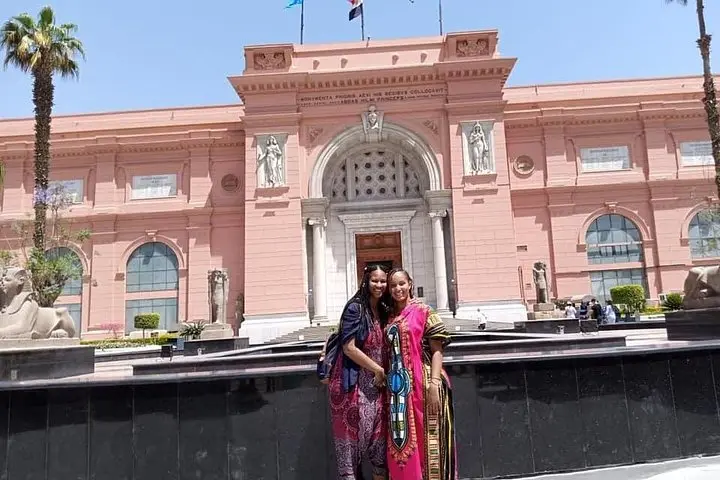
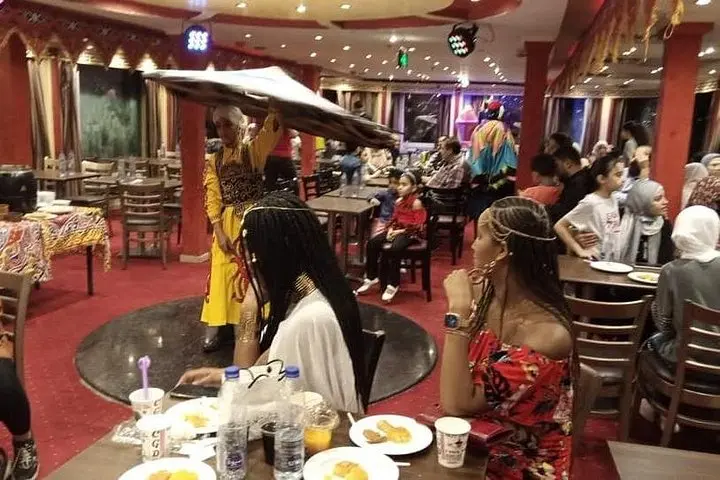
The scene shifts to downtown Cairo and the Egyptian Museum, where three millennia of pharaonic craft—gold, carved wood, and funerary masks—are arranged in dense galleries; the itinerary reserves about three hours to navigate highlights including the Tutankhamen collection. Later, the Nile takes on a different personality: a calm, urban river that carries a two‑hour dinner cruise, with live folklore and belly‑dance entertainment against a city-lit shoreline.
Geology and history are tactile here: the Giza stones are local limestone and granite quarried and raised around 4,500 years ago; the Sphinx is carved from the bedrock with repairs spanning centuries. Culturally, expect polite bargaining with vendors, customary tipping, and a strong security presence at major sites.
Practicalities: admissions for Giza and the Egyptian Museum are typically not included—carry passports for ticketing and ID checks. Wear sturdy closed shoes for sandy, uneven ground, bring sunscreen and a refillable bottle, and pace the day—morning heat and evening cruise are best split by an air‑conditioned break. The tour includes hotel pick‑up, AC transport, bottled water, and a private guide; confirm entrance fees and museum opening hours before you go.
Most bookings include transport and guide but not the official entrance tickets—check your confirmation and bring cash or card for tickets at each site.
Walking across the plateau and between monuments typically covers 1.5–2.5 km with sandy, uneven terrain; plan for 1–2 hours on foot depending on stops.
Yes—cruises are generally family-friendly with buffet dining and staged entertainment, though volume and later finish times may not suit very young children.
Modest, comfortable clothing is appropriate—lightweight layers for daytime heat and an extra layer for cooler evenings on the cruise; closed shoes are recommended for the plateau.
Hesham Egypt tour guide operates guided outdoor trips and adventures with an emphasis on safety, stewardship, and memorable experiences.
You step out of an air‑conditioned car into the dry wind that polishes the Giza plateau, limestone dust lifting around the silhouette of the Great Pyramid.
You step out of an air‑conditioned car into the dry wind that polishes the Giza plateau, limestone dust lifting around the silhouette of the Great Pyramid.
For two hours you'll move between colossal stone faces and open sand—walking along compacted paths that traverse roughly 1.5–2.5 km across the plateau—before visiting the Sphinx and the short stroll to the Valley Temple where dressed stone and ancient mortuary activity still mark the ground.
The scene shifts to downtown Cairo and the Egyptian Museum, where three millennia of pharaonic craft—gold, carved wood, and funerary masks—are arranged in dense galleries; the itinerary reserves about three hours to navigate highlights including the Tutankhamen collection. Later, the Nile takes on a different personality: a calm, urban river that carries a two‑hour dinner cruise, with live folklore and belly‑dance entertainment against a city-lit shoreline.
Geology and history are tactile here: the Giza stones are local limestone and granite quarried and raised around 4,500 years ago; the Sphinx is carved from the bedrock with repairs spanning centuries. Culturally, expect polite bargaining with vendors, customary tipping, and a strong security presence at major sites.
Practicalities: admissions for Giza and the Egyptian Museum are typically not included—carry passports for ticketing and ID checks. Wear sturdy closed shoes for sandy, uneven ground, bring sunscreen and a refillable bottle, and pace the day—morning heat and evening cruise are best split by an air‑conditioned break. The tour includes hotel pick‑up, AC transport, bottled water, and a private guide; confirm entrance fees and museum opening hours before you go.