THE ADVENTURE COLLECTIVE® · Independent discovery and booking for outdoor travel

Walk the Giza plateau with an Egyptologist and a pro photographer at your side. This private 4-hour tour pairs historical context with a focused photo session—expect guided viewpoints, curated shots, and dozens of edited images to take home.
Walk the Giza plateau with an Egyptologist and a pro photographer at your side. This private 4-hour tour pairs historical context with a focused photo session—expect guided viewpoints, curated shots, and dozens of edited images to take home.
You arrive at the plateau with wind-creased sand underfoot and the Great Pyramid rising like a machine from another century, its edges catching hard, dry light. A guide and a photographer meet you at your hotel, and within minutes you’re moving through the Giza complex — walking between monuments that shaped ancient power and modern imagination.
Verified experiences and guided adventures in the surrounding area.
Operated by Hesham Egypt tour guide · Giza, Giza Governorate
You arrive at the plateau with wind-creased sand underfoot and the Great Pyramid rising like a machine from another century, its edges catching hard, dry light. A guide and a photographer meet you at your hotel, and within minutes you’re moving through the Giza complex — walking between monuments that shaped ancient power and modern imagination.
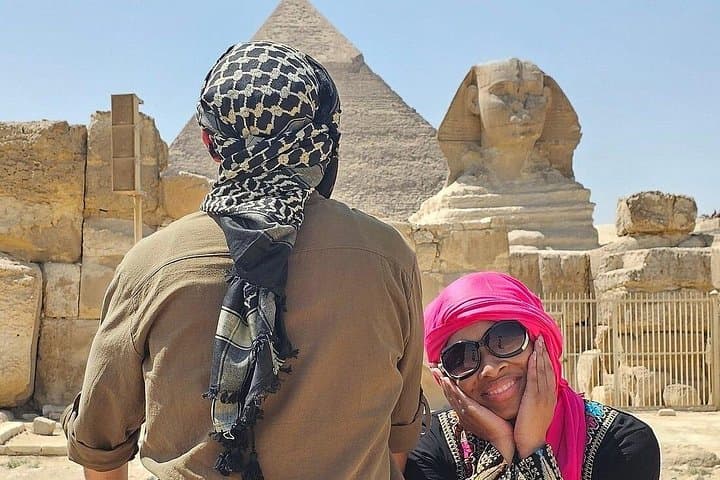
The plateau holds the three major pyramid complexes of the Fourth Dynasty, with Khufu’s Great Pyramid dating to about 2560 BCE and the nearby Sphinx long associated with Khafre. Geologically the site sits on limestone bedrock that was quarried for the pyramids themselves; you’ll notice tool marks and worked blocks if you watch closely. Culturally, the area is a living market of craftspeople, camel handlers, and papyrus sellers who’ve adapted millennia-old motifs to today’s tourism economy.
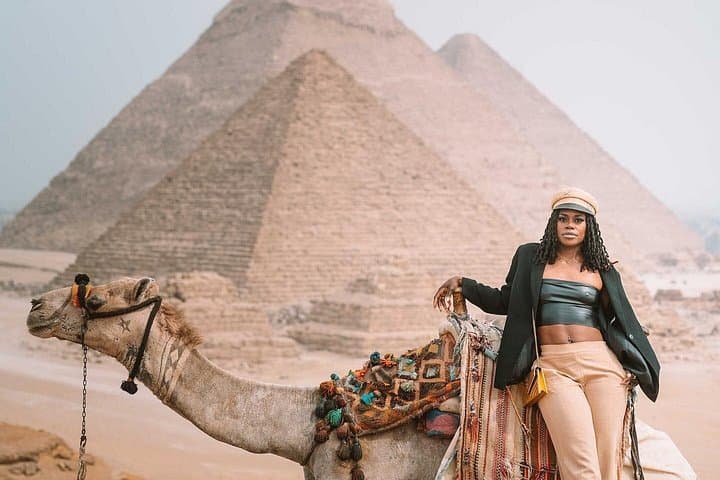
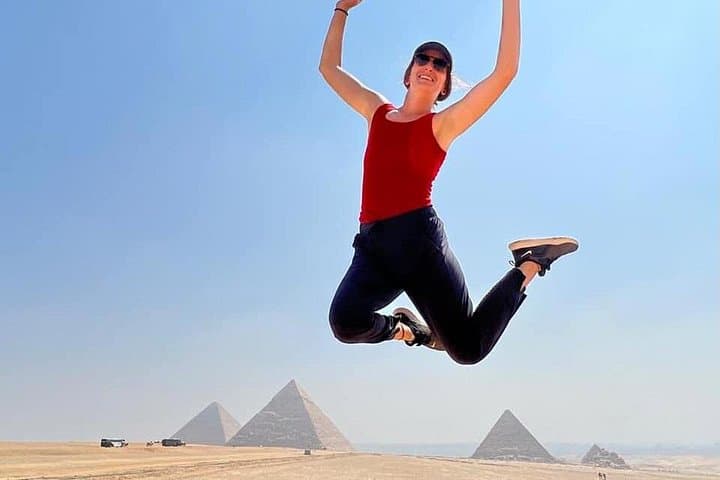
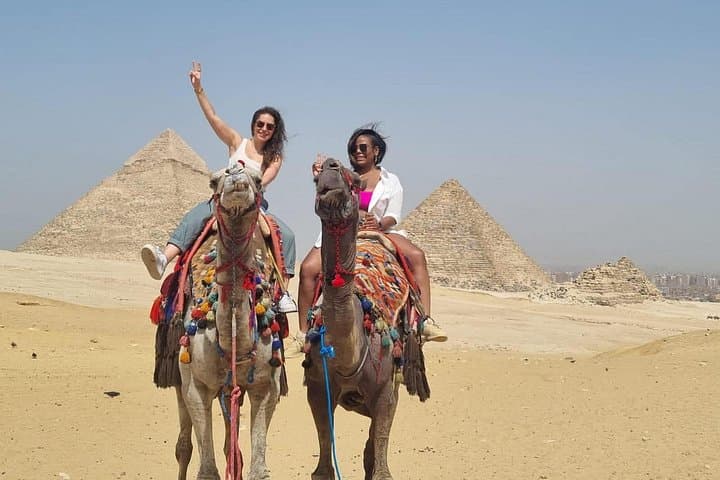
Practical note: the tour covers short, uneven walks across sand and paved viewing areas, plus stops at the Sphinx and the panorama point for wide vistas. The photographer will stage poses and capture candid shots; expect dozens of edited images and options for a printed album. Bring sun protection, a sturdy pair of shoes, and local currency for optional camel rides or souvenirs.
Timing matters: early morning or late afternoon light is best for photos and cooler for walking. Stay with your guide near official paths to protect the monuments and avoid permit-controlled zones. The mix of expert commentary and professional photography makes this a hands-on way to connect with one of the world’s oldest archaeological landscapes.
Entrance to the Giza Plateau is usually required separately; confirm with the operator whether site fees are included or payable on arrival.
Interior access to pyramids is subject to government limits and separate tickets; ask your operator in advance if interior visits are desired and permitted.
Camel rides are optional, run by independent handlers, and not included; safety varies—decline if you have back problems or mobility issues.
Yes—this private tour accommodates all ages, though infants should be on laps during transfers and long walks can be tiring for small children.
Hesham Egypt tour guide operates guided outdoor trips and adventures with an emphasis on safety, stewardship, and memorable experiences.
You arrive at the plateau with wind-creased sand underfoot and the Great Pyramid rising like a machine from another century, its edges catching hard, dry light. A guide and a photographer meet you at your hotel, and within minutes you’re moving through the Giza complex — walking between monuments that shaped ancient power and modern imagination.
You arrive at the plateau with wind-creased sand underfoot and the Great Pyramid rising like a machine from another century, its edges catching hard, dry light. A guide and a photographer meet you at your hotel, and within minutes you’re moving through the Giza complex — walking between monuments that shaped ancient power and modern imagination.
The plateau holds the three major pyramid complexes of the Fourth Dynasty, with Khufu’s Great Pyramid dating to about 2560 BCE and the nearby Sphinx long associated with Khafre. Geologically the site sits on limestone bedrock that was quarried for the pyramids themselves; you’ll notice tool marks and worked blocks if you watch closely. Culturally, the area is a living market of craftspeople, camel handlers, and papyrus sellers who’ve adapted millennia-old motifs to today’s tourism economy.
Practical note: the tour covers short, uneven walks across sand and paved viewing areas, plus stops at the Sphinx and the panorama point for wide vistas. The photographer will stage poses and capture candid shots; expect dozens of edited images and options for a printed album. Bring sun protection, a sturdy pair of shoes, and local currency for optional camel rides or souvenirs.
Timing matters: early morning or late afternoon light is best for photos and cooler for walking. Stay with your guide near official paths to protect the monuments and avoid permit-controlled zones. The mix of expert commentary and professional photography makes this a hands-on way to connect with one of the world’s oldest archaeological landscapes.