THE ADVENTURE COLLECTIVE® · Independent discovery and booking for outdoor travel

Combine a guided walk among the Great Pyramids with an hour of quad-biking across the desert plateau. This private half-day experience pairs archaeological insight with off-road thrills, ideal for travelers who want history and action in one outing.
Combine a guided walk among the Great Pyramids with an hour of quad-biking across the desert plateau. This private half-day experience pairs archaeological insight with off-road thrills, ideal for travelers who want history and action in one outing.
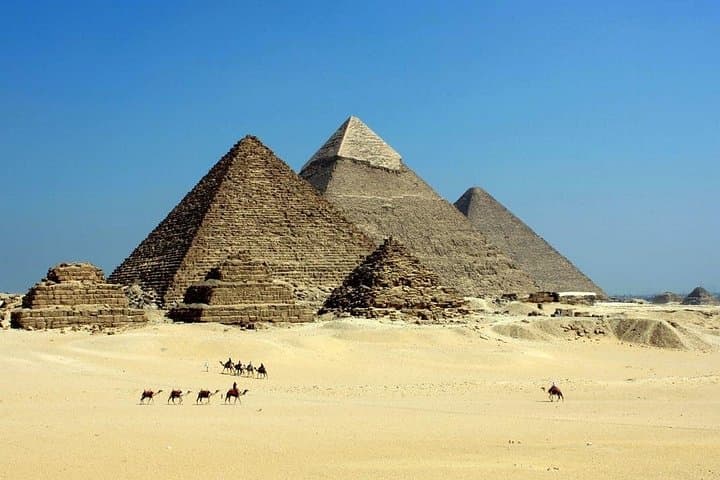
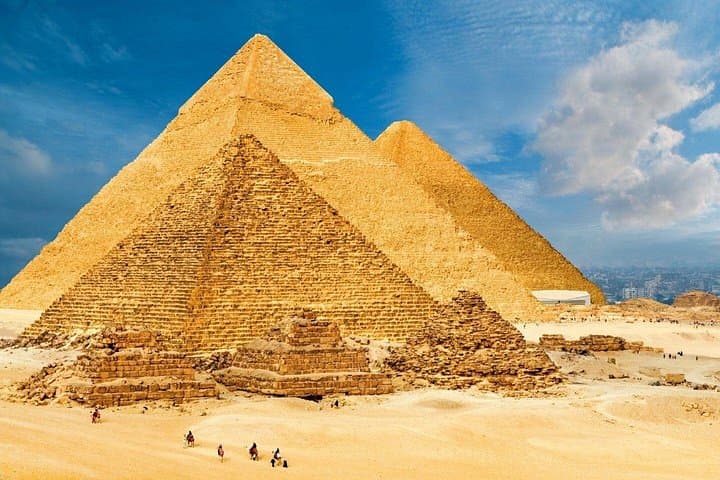
The morning light slices across the stone faces of Khufu, Khafre and Menkaure as a private vehicle winds toward the plateau. Sand crunches under tires; the air smells faintly of dust and sun-warmed limestone. On this combined experience, travelers meet an Egyptologist guide at the Giza necropolis to walk among 4,500-year-old monuments, then swap walking shoes for a helmet and throttle to explore the surrounding desert on a quad bike.
Verified experiences and guided adventures in the surrounding area.
Operated by Egyptian Daily Tours · Giza, Giza Governorate
The morning light slices across the stone faces of Khufu, Khafre and Menkaure as a private vehicle winds toward the plateau. Sand crunches under tires; the air smells faintly of dust and sun-warmed limestone. On this combined experience, travelers meet an Egyptologist guide at the Giza necropolis to walk among 4,500-year-old monuments, then swap walking shoes for a helmet and throttle to explore the surrounding desert on a quad bike.
Giza sits at the western edge of the Nile floodplain where Old Kingdom builders raised pyramids from local limestone quarried nearby. The plateau is an archaeological cluster—pyramids, mortuary temples, and the Great Sphinx—reflecting centralized statecraft of the Fourth Dynasty (c. 2600–2500 BCE). Geologically the rise is relatively young—Nile alluvium meets the plateau’s capped bedrock—and culturally the area remains an axis of Egyptian heritage and tourism.
Practically, the visit is timed to avoid the hottest hours; a typical private itinerary runs about five hours including pickup and hotel return. The quad component usually lasts near an hour on packed sand and soft dunes—expect short bursts of speed, sand drifts that test traction, and wide open views of the plateau from below. Helmets, briefings, and bottled water are standard; the ride is suitable for beginners but not advised for those with spine, heart, or pregnancy restrictions.
Plan for sun protection, sturdy closed-toe shoes, and an early start for cooler temperatures and softer light for photography. With common-sense precautions the combo of history and high-adrenaline riding makes a compact, memorable day in Egypt.
Most private tours include entry to the Giza plateau and the external sites; check whether interior pyramid access is part of your booking as it’s often limited.
No formal experience is required—guides provide a safety briefing and operate routes suitable for beginners and intermediate riders.
Comfortable clothes that can get dusty, closed-toe shoes, and layers for early mornings; avoid loose scarves or jewelry while riding.
Yes—this private tour typically includes pickup and drop-off by air-conditioned vehicle from hotels in Cairo or Giza.
Egyptian Daily Tours operates guided outdoor trips and adventures with an emphasis on safety, stewardship, and memorable experiences.


The morning light slices across the stone faces of Khufu, Khafre and Menkaure as a private vehicle winds toward the plateau. Sand crunches under tires; the air smells faintly of dust and sun-warmed limestone. On this combined experience, travelers meet an Egyptologist guide at the Giza necropolis to walk among 4,500-year-old monuments, then swap walking shoes for a helmet and throttle to explore the surrounding desert on a quad bike.
The morning light slices across the stone faces of Khufu, Khafre and Menkaure as a private vehicle winds toward the plateau. Sand crunches under tires; the air smells faintly of dust and sun-warmed limestone. On this combined experience, travelers meet an Egyptologist guide at the Giza necropolis to walk among 4,500-year-old monuments, then swap walking shoes for a helmet and throttle to explore the surrounding desert on a quad bike.
Giza sits at the western edge of the Nile floodplain where Old Kingdom builders raised pyramids from local limestone quarried nearby. The plateau is an archaeological cluster—pyramids, mortuary temples, and the Great Sphinx—reflecting centralized statecraft of the Fourth Dynasty (c. 2600–2500 BCE). Geologically the rise is relatively young—Nile alluvium meets the plateau’s capped bedrock—and culturally the area remains an axis of Egyptian heritage and tourism.
Practically, the visit is timed to avoid the hottest hours; a typical private itinerary runs about five hours including pickup and hotel return. The quad component usually lasts near an hour on packed sand and soft dunes—expect short bursts of speed, sand drifts that test traction, and wide open views of the plateau from below. Helmets, briefings, and bottled water are standard; the ride is suitable for beginners but not advised for those with spine, heart, or pregnancy restrictions.
Plan for sun protection, sturdy closed-toe shoes, and an early start for cooler temperatures and softer light for photography. With common-sense precautions the combo of history and high-adrenaline riding makes a compact, memorable day in Egypt.