THE ADVENTURE COLLECTIVE® · Independent discovery and booking for outdoor travel

Experience the Giza Plateau with a private Egyptologist, exclusive photo spots, and a camel ride against the Great Pyramid backdrop. This VIP visit pairs focused interpretation with practical logistics for a streamlined half-day exploration.
Experience the Giza Plateau with a private Egyptologist, exclusive photo spots, and a camel ride against the Great Pyramid backdrop. This VIP visit pairs focused interpretation with practical logistics for a streamlined half-day exploration.
A low sun slants across the Giza Plateau, throwing the Great Pyramid into sharp relief while camel silhouettes cut slow arcs across the sand. On a private visit you stand close enough to feel the grit of millennia on the limestone blocks, guided by an Egyptologist who maps stories onto stone and points out faint tool marks that survived 4,500 years.
Verified experiences and guided adventures in the surrounding area.
Operated by Gallivant Egypt Tours GET · Giza, Giza Governorate
A low sun slants across the Giza Plateau, throwing the Great Pyramid into sharp relief while camel silhouettes cut slow arcs across the sand. On a private visit you stand close enough to feel the grit of millennia on the limestone blocks, guided by an Egyptologist who maps stories onto stone and points out faint tool marks that survived 4,500 years.
Geology here is blunt: soft limestone quarried from the plateau forms the core, harder Tura limestone once capped the pyramids, and the bedrock underfoot anchors tombs and temples. Culturally, Giza sits where ancient ritual met royal logistics — the pyramids were necropolises, the Sphinx a guardian figure carved into the living rock. The nearby Solar Boat Museum preserves a full cedar vessel meant to transport a pharaoh in the afterlife, a rare, intimate counterpoint to the monumental faces.
Practically, expect 4–5 hours on a mostly flat but sandy route with short stretches of uneven footing and steps at viewpoints; total walking under 3 km if you stay on main stops. Sunrise or late afternoon light gives the best photos and cooler temperatures; mid-day can be harsh. Bring sun protection, refillable water, and comfortable closed shoes. Security checks are standard; keep passports handy for certain entrances and follow your guide’s directions to respect conservation rules. Extras like a brief camel or horseback loop are typical on private visits — plan for a mix of guided interpretation, accessible viewpoints, and photo stops that prioritize small-group pace and VIP access to quieter vantage points.
Many parts of the Giza Plateau are accessible and the tour lists wheelchair access, but some viewpoints and museum areas have steps—notify the operator in advance to arrange suitable routing.
Interior access is subject to current site regulations and limited ticketed entry; private tours may include certain entrances but confirm ahead as availability changes.
Camel or horseback loops are commonly offered as part of private visits; they’re brief and guided—safety depends on operator practices and rider ability, so mention any balance or comfort concerns when booking.
Carry your passport for museum entry and any official checks; your booking confirmation and local guide details are also useful for pickups and clearance.
Gallivant Egypt Tours GET operates guided outdoor trips and adventures with an emphasis on safety, stewardship, and memorable experiences.
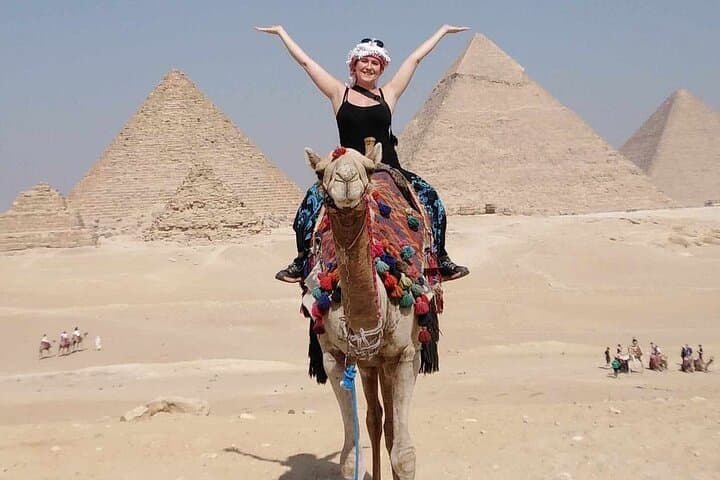
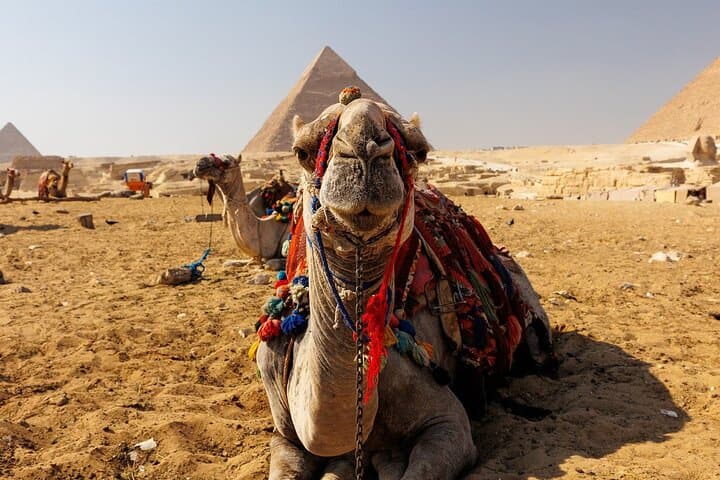


A low sun slants across the Giza Plateau, throwing the Great Pyramid into sharp relief while camel silhouettes cut slow arcs across the sand. On a private visit you stand close enough to feel the grit of millennia on the limestone blocks, guided by an Egyptologist who maps stories onto stone and points out faint tool marks that survived 4,500 years.
A low sun slants across the Giza Plateau, throwing the Great Pyramid into sharp relief while camel silhouettes cut slow arcs across the sand. On a private visit you stand close enough to feel the grit of millennia on the limestone blocks, guided by an Egyptologist who maps stories onto stone and points out faint tool marks that survived 4,500 years.
Geology here is blunt: soft limestone quarried from the plateau forms the core, harder Tura limestone once capped the pyramids, and the bedrock underfoot anchors tombs and temples. Culturally, Giza sits where ancient ritual met royal logistics — the pyramids were necropolises, the Sphinx a guardian figure carved into the living rock. The nearby Solar Boat Museum preserves a full cedar vessel meant to transport a pharaoh in the afterlife, a rare, intimate counterpoint to the monumental faces.
Practically, expect 4–5 hours on a mostly flat but sandy route with short stretches of uneven footing and steps at viewpoints; total walking under 3 km if you stay on main stops. Sunrise or late afternoon light gives the best photos and cooler temperatures; mid-day can be harsh. Bring sun protection, refillable water, and comfortable closed shoes. Security checks are standard; keep passports handy for certain entrances and follow your guide’s directions to respect conservation rules. Extras like a brief camel or horseback loop are typical on private visits — plan for a mix of guided interpretation, accessible viewpoints, and photo stops that prioritize small-group pace and VIP access to quieter vantage points.