THE ADVENTURE COLLECTIVE® · Independent discovery and booking for outdoor travel

Explore Amsterdam’s Golden Age architecture on a private 90‑minute walking tour with a local guide. See the Royal Palace, canal houses, and hidden façade stones while learning how the city’s soft ground shaped its buildings.
Explore Amsterdam’s Golden Age architecture on a private 90‑minute walking tour with a local guide. See the Royal Palace, canal houses, and hidden façade stones while learning how the city’s soft ground shaped its buildings.
Morning light slips across narrow canals and the city exhales—the air edged with diesel and fresh bread from a nearby bakery. On this private 90‑minute walk, a local guide leads through Dam Square toward the canal belt, where three centuries of mercantile ambition are written in brick, beam and gable.
Verified experiences and guided adventures in the surrounding area.
Operated by Artsy Tours · Amsterdam, North Holland
Morning light slips across narrow canals and the city exhales—the air edged with diesel and fresh bread from a nearby bakery. On this private 90‑minute walk, a local guide leads through Dam Square toward the canal belt, where three centuries of mercantile ambition are written in brick, beam and gable.
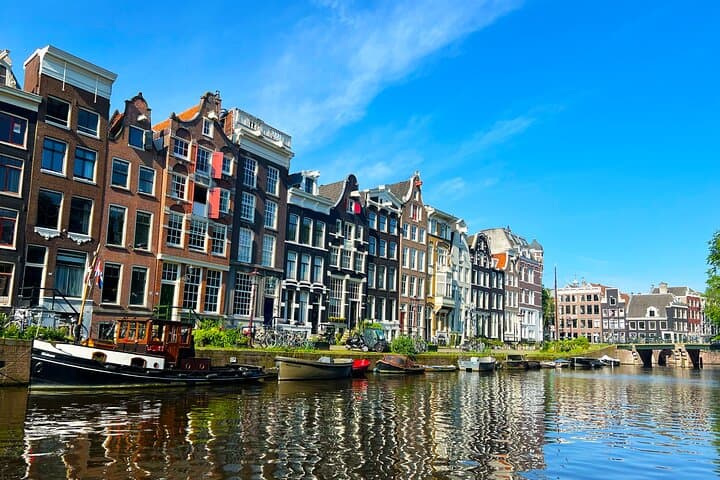
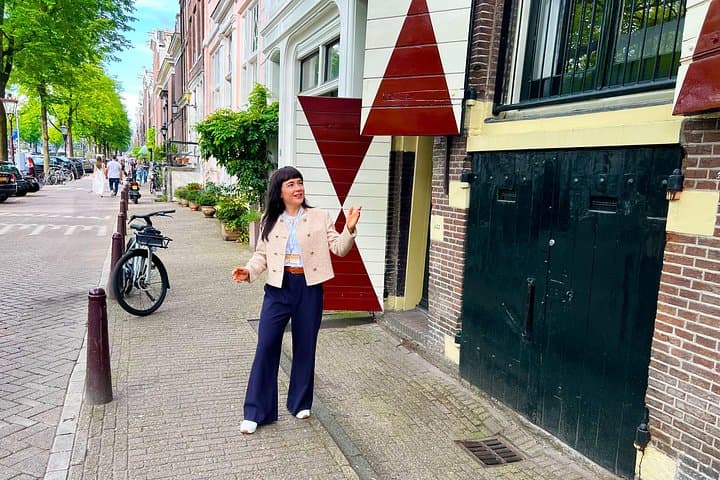
The 17th‑century Golden Age transformed Amsterdam into a global trading hub; the wealth that flowed through its ports paid for ornate façades, engineered foundations and bold urban planning. Underfoot the city still sits on timber piles driven into peat and clay—an engineering challenge that shaped the quirky lean of many canal houses and the practical hoisting beams that punctuate their roofs. Cultural markers like gevelstenen (facade stones) and hoisting anchors tell the stories that guidebooks often miss: professions, ownership, jokes, and status in stone and tile.
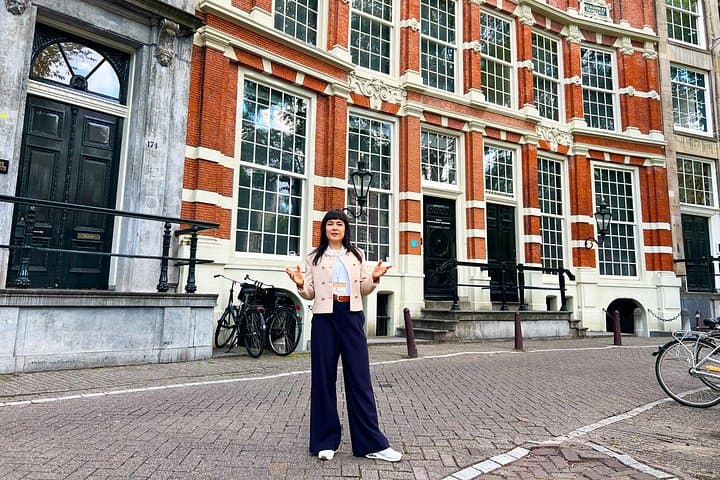
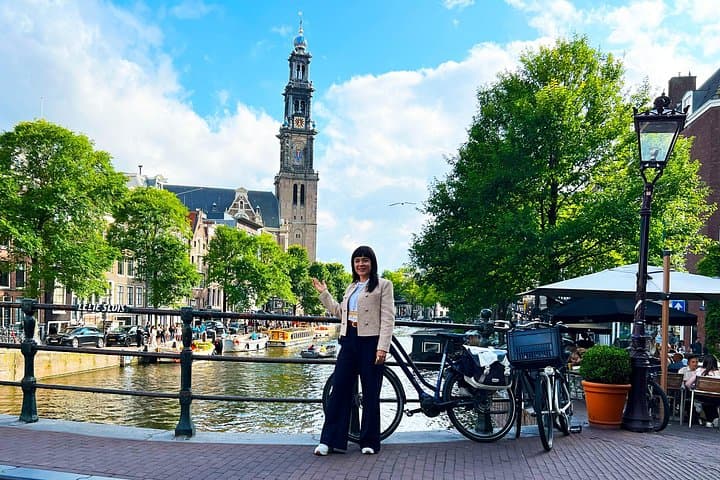
Expect close looks at the Royal Palace’s neoclassical ambition, red‑brick baroque townhouses, the Jordaan’s intimate lanes and a bridge viewpoint that reveals four classic gable types at once. The guide’s local perspective links past to present—how warehouses became apartments, how churches marked civic life—and highlights practical details such as construction methods and how soft ground forced inventive solutions.
Practical guidance: wear supportive shoes for cobbles and standing, bring a light rain layer, and plan for morning slots when light and crowds are best. The tour moves at an easy pace but includes stairs and standing periods; it’s ideal for architecture lovers who want focused context and clear, on‑route explanations rather than museum time.
Meeting is typically in or near Dam Square; exact pickup details are provided at booking—arrive 10 minutes early to avoid delays.
Yes—children who can walk for 90 minutes and tolerate short history talks will enjoy the visual elements, though content is focused on architecture and history.
The route includes cobblestones and some steps; it’s not recommended for guests who require a walker or cannot stand for 90 minutes—contact the operator for alternatives.
Yes—this private tour is led by a local knowledgeable in Golden Age architecture and construction techniques, and the guide adapts explanations to group interest.
Artsy Tours operates guided outdoor trips and adventures with an emphasis on safety, stewardship, and memorable experiences.
Morning light slips across narrow canals and the city exhales—the air edged with diesel and fresh bread from a nearby bakery. On this private 90‑minute walk, a local guide leads through Dam Square toward the canal belt, where three centuries of mercantile ambition are written in brick, beam and gable.
Morning light slips across narrow canals and the city exhales—the air edged with diesel and fresh bread from a nearby bakery. On this private 90‑minute walk, a local guide leads through Dam Square toward the canal belt, where three centuries of mercantile ambition are written in brick, beam and gable.
The 17th‑century Golden Age transformed Amsterdam into a global trading hub; the wealth that flowed through its ports paid for ornate façades, engineered foundations and bold urban planning. Underfoot the city still sits on timber piles driven into peat and clay—an engineering challenge that shaped the quirky lean of many canal houses and the practical hoisting beams that punctuate their roofs. Cultural markers like gevelstenen (facade stones) and hoisting anchors tell the stories that guidebooks often miss: professions, ownership, jokes, and status in stone and tile.
Expect close looks at the Royal Palace’s neoclassical ambition, red‑brick baroque townhouses, the Jordaan’s intimate lanes and a bridge viewpoint that reveals four classic gable types at once. The guide’s local perspective links past to present—how warehouses became apartments, how churches marked civic life—and highlights practical details such as construction methods and how soft ground forced inventive solutions.
Practical guidance: wear supportive shoes for cobbles and standing, bring a light rain layer, and plan for morning slots when light and crowds are best. The tour moves at an easy pace but includes stairs and standing periods; it’s ideal for architecture lovers who want focused context and clear, on‑route explanations rather than museum time.