THE ADVENTURE COLLECTIVE® · Independent discovery and booking for outdoor travel

See Delhi, Agra and Jaipur in a tightly scheduled private tour that times sunrise at the Taj Mahal and gives guided context at forts, palaces and UNESCO sites. Ideal for first‑time visitors who want efficient transport and curated access.
See Delhi, Agra and Jaipur in a tightly scheduled private tour that times sunrise at the Taj Mahal and gives guided context at forts, palaces and UNESCO sites. Ideal for first‑time visitors who want efficient transport and curated access.
A pale dawn thins over the Yamuna as a private car threads past low-rise houses toward the white marble of the Taj Mahal. For three days the road becomes the itinerary: crowded lanes of Old Delhi, the sunrise hush at Agra, and the honey‑combed façade of Jaipur’s Hawa Mahal. The pace is deliberate—driven, guided and timed to key light and crowds—so travelers see the monuments when they feel most immediate.
Verified experiences and guided adventures in the surrounding area.
Operated by Raj Tours Jaipur · New Delhi, Delhi
A pale dawn thins over the Yamuna as a private car threads past low-rise houses toward the white marble of the Taj Mahal. For three days the road becomes the itinerary: crowded lanes of Old Delhi, the sunrise hush at Agra, and the honey‑combed façade of Jaipur’s Hawa Mahal. The pace is deliberate—driven, guided and timed to key light and crowds—so travelers see the monuments when they feel most immediate.
The route follows three pillars of Mughal and Rajput history. Delhi’s Mughal gardens and colonial avenues give way to Agra’s funerary architecture—Shah Jahan’s grief made stone—and the red sandstone courts of Fatehpur Sikri, a brief imperial capital abandoned for water scarcity. In Jaipur, Rajput palaces, hilltop Amber Fort and the astronomical instruments at Jantar Mantar reveal regional craftsmanship and courtly life.
Expect a mix of short walks, stair climbs and vehicle transfers: cobbled fort ramps, manicured tomb gardens and busy bazaars where textiles and spices compete for attention. Guides will frame architecture, local customs and conservation issues—like preservation of marble in Agra and water management at Fatehpur Sikri.
Practical notes: travel light for dawn visits and temple protocols (modest dress, shoes removable); carry cash for small purchases; confirm flight/train pickup details. Days are long but accessible to most walkers; mornings and late afternoons are best for photos and cooler temperatures. With private transport and a local guide, this condensed Golden Triangle gives an efficient, contextual introduction to northern India’s iconic sites.
Admission is not automatically included; tour descriptions vary—confirm whether tickets are provided or if you pay entry fees at the site.
Delhi to Agra via Yamuna Expressway is about 3.5–4 hours; Agra to Jaipur with a stop at Fatehpur Sikri takes roughly 4–5 hours depending on traffic and stops.
Yes—Taj Mahal is closed Fridays; reputable operators reroute visits or alter the sequence to accommodate closures.
This all‑inclusive option lists 2 nights’ hotel accommodation and breakfast; check the booking details for any additional meals or upgrade options.
Raj Tours Jaipur operates guided outdoor trips and adventures with an emphasis on safety, stewardship, and memorable experiences.

A pale dawn thins over the Yamuna as a private car threads past low-rise houses toward the white marble of the Taj Mahal. For three days the road becomes the itinerary: crowded lanes of Old Delhi, the sunrise hush at Agra, and the honey‑combed façade of Jaipur’s Hawa Mahal. The pace is deliberate—driven, guided and timed to key light and crowds—so travelers see the monuments when they feel most immediate.
A pale dawn thins over the Yamuna as a private car threads past low-rise houses toward the white marble of the Taj Mahal. For three days the road becomes the itinerary: crowded lanes of Old Delhi, the sunrise hush at Agra, and the honey‑combed façade of Jaipur’s Hawa Mahal. The pace is deliberate—driven, guided and timed to key light and crowds—so travelers see the monuments when they feel most immediate.
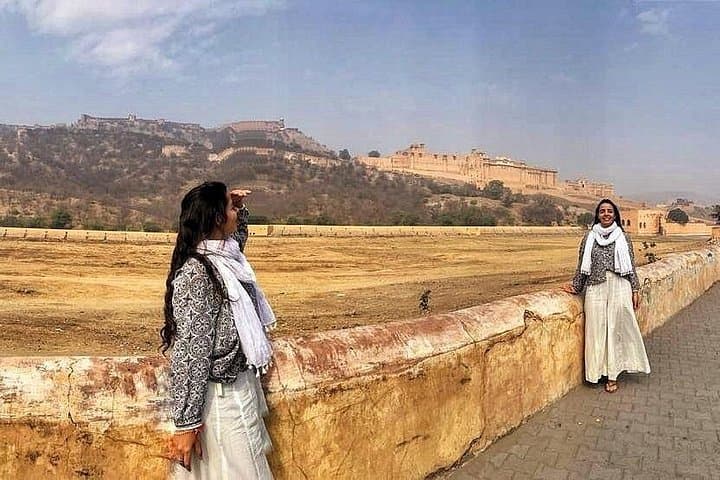
The route follows three pillars of Mughal and Rajput history. Delhi’s Mughal gardens and colonial avenues give way to Agra’s funerary architecture—Shah Jahan’s grief made stone—and the red sandstone courts of Fatehpur Sikri, a brief imperial capital abandoned for water scarcity. In Jaipur, Rajput palaces, hilltop Amber Fort and the astronomical instruments at Jantar Mantar reveal regional craftsmanship and courtly life.
Expect a mix of short walks, stair climbs and vehicle transfers: cobbled fort ramps, manicured tomb gardens and busy bazaars where textiles and spices compete for attention. Guides will frame architecture, local customs and conservation issues—like preservation of marble in Agra and water management at Fatehpur Sikri.
Practical notes: travel light for dawn visits and temple protocols (modest dress, shoes removable); carry cash for small purchases; confirm flight/train pickup details. Days are long but accessible to most walkers; mornings and late afternoons are best for photos and cooler temperatures. With private transport and a local guide, this condensed Golden Triangle gives an efficient, contextual introduction to northern India’s iconic sites.