THE ADVENTURE COLLECTIVE® · Independent discovery and booking for outdoor travel

Cover Delhi, Agra, Jaipur and Pushkar in a private chauffeured tour that balances UNESCO icons with off‑beat cultural stops. Ideal for travelers who want guided logistics, early‑access options, and a measured pace through northern India’s historic corridor.
Cover Delhi, Agra, Jaipur and Pushkar in a private chauffeured tour that balances UNESCO icons with off‑beat cultural stops. Ideal for travelers who want guided logistics, early‑access options, and a measured pace through northern India’s historic corridor.
You step from an air‑conditioned car into a churn of Old Delhi: rickshaws dart, chai steam curls, and the city’s layered history presses close. Over the next days the landscape loosens—red sandstone ramparts in Agra, the broad desert colors outside Jaipur, and the placid ring of Pushkar Lake where temple bells mark pilgrim hours.
Verified experiences and guided adventures in the surrounding area.
Operated by Raj Tour and Travel-Agra · New Delhi, Delhi
You step from an air‑conditioned car into a churn of Old Delhi: rickshaws dart, chai steam curls, and the city’s layered history presses close. Over the next days the landscape loosens—red sandstone ramparts in Agra, the broad desert colors outside Jaipur, and the placid ring of Pushkar Lake where temple bells mark pilgrim hours.
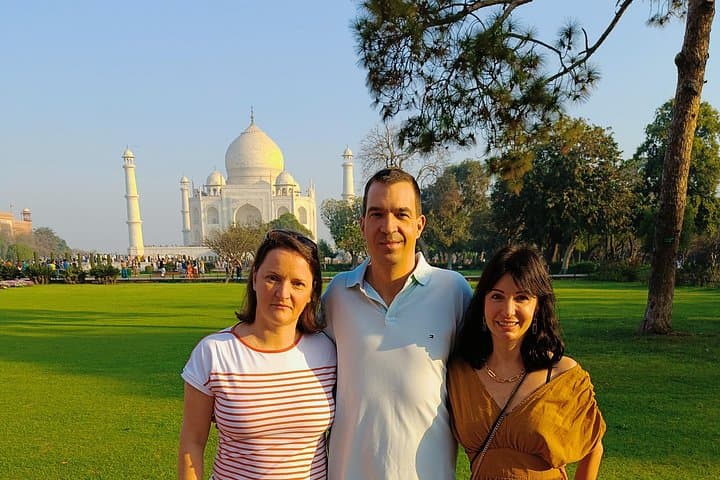
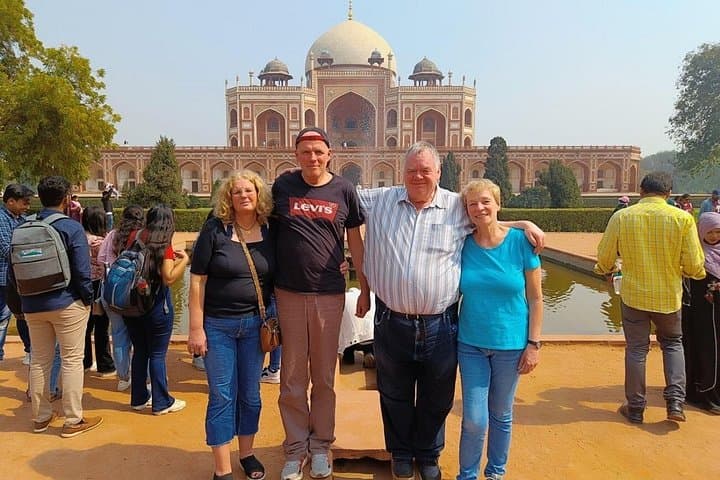
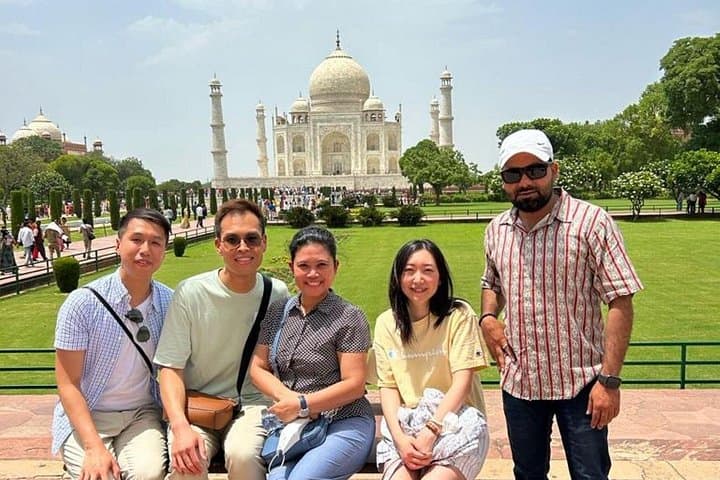
This route traces Mughal and Rajput power: Humayun’s early garden tomb that prefigures the Taj, the fortified geometry of Agra Fort, and Jaipur’s planned hill‑ringed city built by Maharaja Jai Singh II. Geologically the corridor sits on the fertile Indo‑Gangetic plains giving way to the Aravalli outcrops near Jaipur—hills that have long shaped trade and settlement patterns and now frame forts and man‑made lakes.
Culture here is public: bazaars that barter color and spice, priests performing aarti at Pushkar’s ghats, and craft workshops where block printing and jewelry making endure. Expect crowds at major sites; the monuments demand patience as much as camera space. Rivers and garden terraces will push and hush you in turn—the Yamuna nudges Agra’s edges while Pushkar’s lake draws pilgrims to its steady calm.
Practical guide: start early (Taj at sunrise for light and fewer people), carry photocopies of ID, dress modestly for temples, and budget time for traffic between cities. Book skip‑the‑line tickets when available, and pack light layers—the mornings can be cool while afternoons heat up. Hydrate frequently, wear supportive walking shoes, and keep small cash for market bargaining. This private, chauffeured itinerary compresses six to seven days of history into manageable daily sections—efficient for travelers who want depth without rushing.
Most standard itineraries include guided visits but not always monument entrance fees; confirm at booking and carry cash or card for tickets.
Yes—the tour uses a private air‑conditioned car with driver for intercity transfers and hotel pick‑ups/drop‑offs.
This is a private tour and can typically be adjusted for pacing, added sites, or a different hotel category—check availability with your operator.
The Taj Mahal is closed on Fridays and some temples observe restricted hours; the itinerary can be adjusted to avoid these times.
Raj Tour and Travel-Agra operates guided outdoor trips and adventures with an emphasis on safety, stewardship, and memorable experiences.

You step from an air‑conditioned car into a churn of Old Delhi: rickshaws dart, chai steam curls, and the city’s layered history presses close. Over the next days the landscape loosens—red sandstone ramparts in Agra, the broad desert colors outside Jaipur, and the placid ring of Pushkar Lake where temple bells mark pilgrim hours.
You step from an air‑conditioned car into a churn of Old Delhi: rickshaws dart, chai steam curls, and the city’s layered history presses close. Over the next days the landscape loosens—red sandstone ramparts in Agra, the broad desert colors outside Jaipur, and the placid ring of Pushkar Lake where temple bells mark pilgrim hours.
This route traces Mughal and Rajput power: Humayun’s early garden tomb that prefigures the Taj, the fortified geometry of Agra Fort, and Jaipur’s planned hill‑ringed city built by Maharaja Jai Singh II. Geologically the corridor sits on the fertile Indo‑Gangetic plains giving way to the Aravalli outcrops near Jaipur—hills that have long shaped trade and settlement patterns and now frame forts and man‑made lakes.
Culture here is public: bazaars that barter color and spice, priests performing aarti at Pushkar’s ghats, and craft workshops where block printing and jewelry making endure. Expect crowds at major sites; the monuments demand patience as much as camera space. Rivers and garden terraces will push and hush you in turn—the Yamuna nudges Agra’s edges while Pushkar’s lake draws pilgrims to its steady calm.
Practical guide: start early (Taj at sunrise for light and fewer people), carry photocopies of ID, dress modestly for temples, and budget time for traffic between cities. Book skip‑the‑line tickets when available, and pack light layers—the mornings can be cool while afternoons heat up. Hydrate frequently, wear supportive walking shoes, and keep small cash for market bargaining. This private, chauffeured itinerary compresses six to seven days of history into manageable daily sections—efficient for travelers who want depth without rushing.