THE ADVENTURE COLLECTIVE® · Independent discovery and booking for outdoor travel

Explore Gothenburg on a private two-hour walking tour that covers the Cathedral, historic Kungsportshuset, the Horticultural Gardens, Kungsportsavenyen and Götaplatsen. Practical, accessible, and guided in multiple languages—ideal for first-time visitors who want local context and quick immersion.
Explore Gothenburg on a private two-hour walking tour that covers the Cathedral, historic Kungsportshuset, the Horticultural Gardens, Kungsportsavenyen and Götaplatsen. Practical, accessible, and guided in multiple languages—ideal for first-time visitors who want local context and quick immersion.
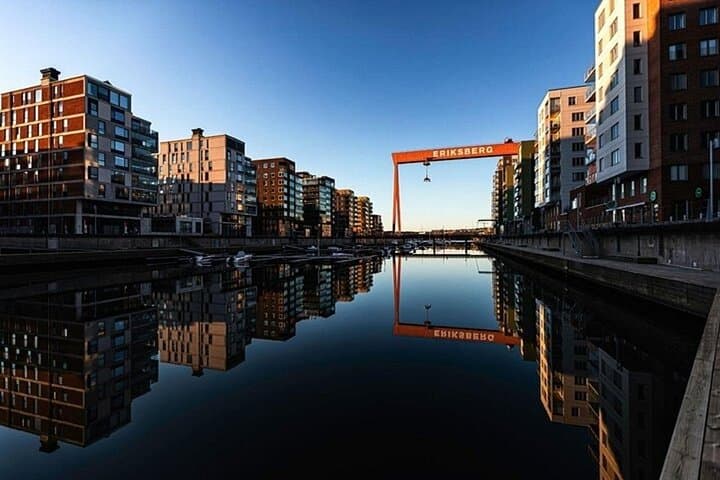
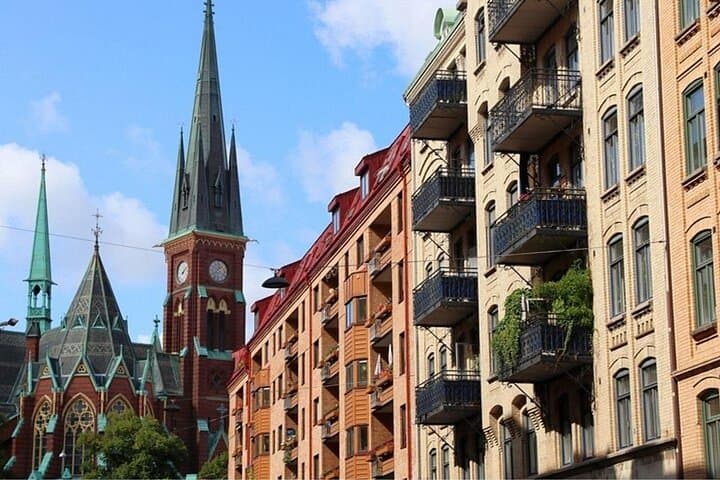
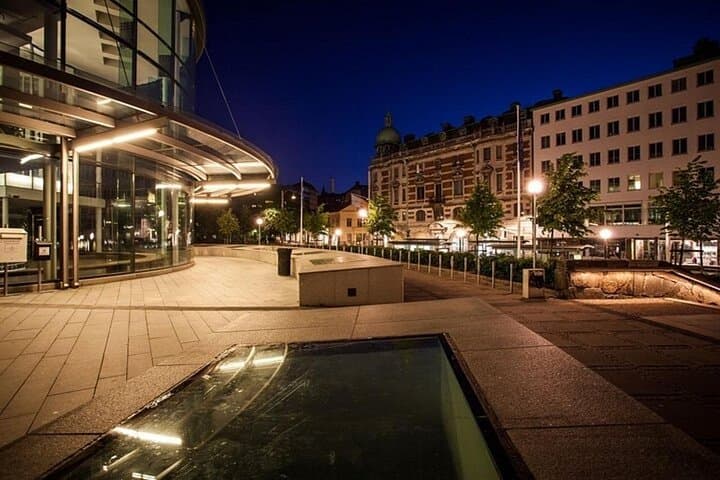
A damp sea breeze threads through the streets as you step away from the harbor and into Gothenburg’s central pulse. Stone façades and broad boulevards frame your route—cathedral spires pointing like compasses, and the Horticultural Gardens breathing color into the city's gray edges.
Verified experiences and guided adventures in the surrounding area.
Operated by Guydeez · Gothenburg, Västra Götaland
A damp sea breeze threads through the streets as you step away from the harbor and into Gothenburg’s central pulse. Stone façades and broad boulevards frame your route—cathedral spires pointing like compasses, and the Horticultural Gardens breathing color into the city's gray edges.
This two-hour private walking tour stitches together Gothenburg’s civic story: a 17th-century port planned by royal decree, Kungsportshuset’s surviving gate marking the old fortifications, and Götaplatsen rising as the city’s cultural stage with the Poseidon statue overseeing the harbor. The bedrock here is post-glacial clay and sediment; the city’s grid and canals still show the imprint of reclaimed shoreline and maritime trade.
Culturally, Gothenburg blends seafaring grit and café life—fish markets rubbing shoulders with concert halls. Expect tactile details: carved oak pews in the cathedral, wrought-iron balconies on Kungsportsavenyen, and the horticultural beds that change with the season and dare walkers to slow down.
Practical guidance: wear supportive walking shoes and a light, waterproof layer—weather shifts quickly near the Kattegat. Tours run about 120 minutes, are wheelchair-accessible, and accommodate small private groups; multilingual guides are offered. Bring a charged phone for photos, and allow time to pop into cafés or the museum at Götaplatsen if you want to linger. The route is mostly paved with short stair sections; pace is gentle but steady. Morning or late-afternoon slots balance softer light and thinner crowds. This is a compact, readable introduction to Gothenburg’s geography and civic life—efficient, sensory, and easy to slot into a longer Scandinavian itinerary.
The private guided walking tour lasts approximately 120 minutes and covers several central landmarks at a relaxed pace.
Yes—this itinerary is listed as wheelchair and stroller accessible with mostly paved paths; notify when booking to confirm any specific access needs.
Guides are available in English, Spanish, French and Italian according to the tour listing; request your preferred language when booking.
Yes—this is a private tour and can be adjusted to emphasize architecture, history, or local food stops; communicate preferences at booking.
Guydeez operates guided outdoor trips and adventures with an emphasis on safety, stewardship, and memorable experiences.

A damp sea breeze threads through the streets as you step away from the harbor and into Gothenburg’s central pulse. Stone façades and broad boulevards frame your route—cathedral spires pointing like compasses, and the Horticultural Gardens breathing color into the city's gray edges.
A damp sea breeze threads through the streets as you step away from the harbor and into Gothenburg’s central pulse. Stone façades and broad boulevards frame your route—cathedral spires pointing like compasses, and the Horticultural Gardens breathing color into the city's gray edges.
This two-hour private walking tour stitches together Gothenburg’s civic story: a 17th-century port planned by royal decree, Kungsportshuset’s surviving gate marking the old fortifications, and Götaplatsen rising as the city’s cultural stage with the Poseidon statue overseeing the harbor. The bedrock here is post-glacial clay and sediment; the city’s grid and canals still show the imprint of reclaimed shoreline and maritime trade.
Culturally, Gothenburg blends seafaring grit and café life—fish markets rubbing shoulders with concert halls. Expect tactile details: carved oak pews in the cathedral, wrought-iron balconies on Kungsportsavenyen, and the horticultural beds that change with the season and dare walkers to slow down.
Practical guidance: wear supportive walking shoes and a light, waterproof layer—weather shifts quickly near the Kattegat. Tours run about 120 minutes, are wheelchair-accessible, and accommodate small private groups; multilingual guides are offered. Bring a charged phone for photos, and allow time to pop into cafés or the museum at Götaplatsen if you want to linger. The route is mostly paved with short stair sections; pace is gentle but steady. Morning or late-afternoon slots balance softer light and thinner crowds. This is a compact, readable introduction to Gothenburg’s geography and civic life—efficient, sensory, and easy to slot into a longer Scandinavian itinerary.