THE ADVENTURE COLLECTIVE® · Independent discovery and booking for outdoor travel

Explore Cozumel with an expert guide on a private six-hour birding tour through El Cedral and San Gervasio. See endemic species like the Cozumel Emerald while supporting local conservation.
Explore Cozumel with an expert guide on a private six-hour birding tour through El Cedral and San Gervasio. See endemic species like the Cozumel Emerald while supporting local conservation.
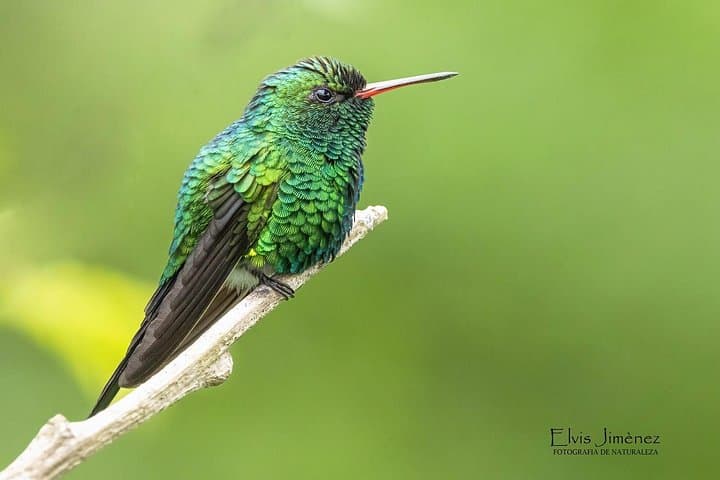
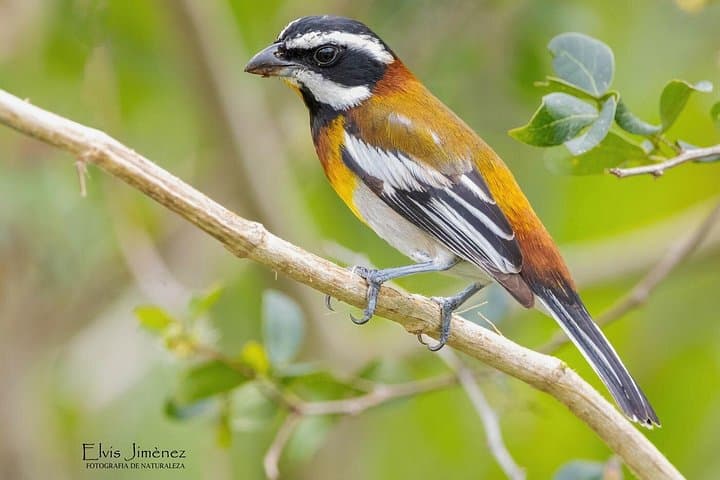
Morning light crests the low mangroves and the air fills with quick, metallic calls—Cozumel does not announce itself, it chirps. On a private birdwatching tour with a local guide, you move deliberately: quiet footsteps on soft earth, binoculars raised as a flash of emerald slips between tropical figs. The route follows island habitats that shaped Cozumel’s endemic birds—mangrove fringes, seasonal wetlands and low tropical forest where the Cozumel Emerald, Cozumel Vireo and Cozumel Wren stake their territory.
Verified experiences and guided adventures in the surrounding area.
Operated by Amar Aves: Birdwatching and Mayan culture · San Miguel de Cozumel, Quintana Roo
Morning light crests the low mangroves and the air fills with quick, metallic calls—Cozumel does not announce itself, it chirps. On a private birdwatching tour with a local guide, you move deliberately: quiet footsteps on soft earth, binoculars raised as a flash of emerald slips between tropical figs. The route follows island habitats that shaped Cozumel’s endemic birds—mangrove fringes, seasonal wetlands and low tropical forest where the Cozumel Emerald, Cozumel Vireo and Cozumel Wren stake their territory.
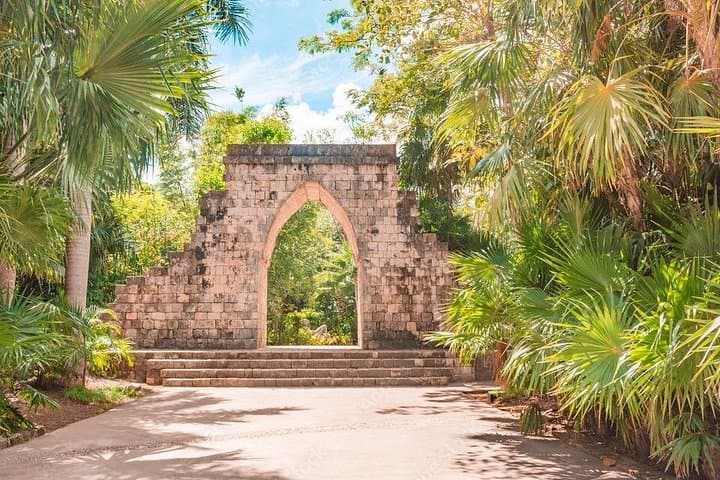
The island’s history is layered. Maya trading posts and the San Gervasio archaeological site sit amid forest clearings, tying human stories to places birds still use. Geologically, Cozumel is a low carbonate island perched off the Yucatán shelf—flat, porous, and ringed by reef—so trails are mostly level but can become sandy or muddy after rains. Culture blends fishing village rhythms in San Miguel de Cozumel with conservation efforts; local guides prioritize habitat protection and share sightings that support species monitoring.
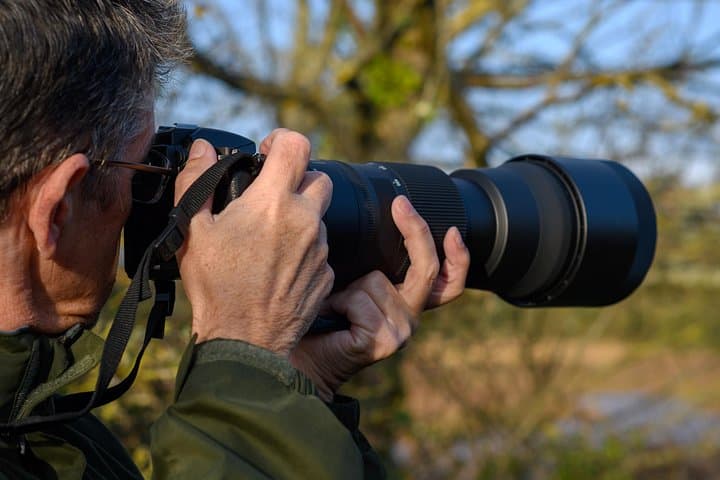
Practically: expect a six-hour private outing with hotel pickup around 7:00 a.m., guided stops at El Cedral and San Gervasio, and a midtour brunch. Trails are easy walking, but shade is patchy and midday heat builds fast. Bring binoculars, sun protection, insect repellent, water and a light rain shell in the wet season. Move quietly, follow your guide’s route choices, and avoid disturbing nesting areas—small behavioral changes help preserve Cozumel’s rare species for future visits.
The private tour runs about six hours and typically includes hotel pickup, a professional guide, entrance fees, and a midtour brunch.
Yes; the tour is rated easy and suitable for beginners and families, though very young children may need infant seats for vehicle transport.
Endemics can be seen year-round, but spring and early fall can bring increased activity; mornings are best any time of year.
Yes—participants are encouraged to bring binoculars, field guides, or spotting scopes; guides often welcome assistance with identifications.
Amar Aves: Birdwatching and Mayan culture operates guided outdoor trips and adventures with an emphasis on safety, stewardship, and memorable experiences.
Morning light crests the low mangroves and the air fills with quick, metallic calls—Cozumel does not announce itself, it chirps. On a private birdwatching tour with a local guide, you move deliberately: quiet footsteps on soft earth, binoculars raised as a flash of emerald slips between tropical figs. The route follows island habitats that shaped Cozumel’s endemic birds—mangrove fringes, seasonal wetlands and low tropical forest where the Cozumel Emerald, Cozumel Vireo and Cozumel Wren stake their territory.
Morning light crests the low mangroves and the air fills with quick, metallic calls—Cozumel does not announce itself, it chirps. On a private birdwatching tour with a local guide, you move deliberately: quiet footsteps on soft earth, binoculars raised as a flash of emerald slips between tropical figs. The route follows island habitats that shaped Cozumel’s endemic birds—mangrove fringes, seasonal wetlands and low tropical forest where the Cozumel Emerald, Cozumel Vireo and Cozumel Wren stake their territory.
The island’s history is layered. Maya trading posts and the San Gervasio archaeological site sit amid forest clearings, tying human stories to places birds still use. Geologically, Cozumel is a low carbonate island perched off the Yucatán shelf—flat, porous, and ringed by reef—so trails are mostly level but can become sandy or muddy after rains. Culture blends fishing village rhythms in San Miguel de Cozumel with conservation efforts; local guides prioritize habitat protection and share sightings that support species monitoring.
Practically: expect a six-hour private outing with hotel pickup around 7:00 a.m., guided stops at El Cedral and San Gervasio, and a midtour brunch. Trails are easy walking, but shade is patchy and midday heat builds fast. Bring binoculars, sun protection, insect repellent, water and a light rain shell in the wet season. Move quietly, follow your guide’s route choices, and avoid disturbing nesting areas—small behavioral changes help preserve Cozumel’s rare species for future visits.