THE ADVENTURE COLLECTIVE® · Independent discovery and booking for outdoor travel

Walk the streets where Budapest’s Jewish history is written into architecture and memorials. This guided, two‑hour private tour connects Dohány Synagogue, ghetto sites and the Shoes on the Danube with local culinary stops and historical context.
Walk the streets where Budapest’s Jewish history is written into architecture and memorials. This guided, two‑hour private tour connects Dohány Synagogue, ghetto sites and the Shoes on the Danube with local culinary stops and historical context.
You step off a tram into the VII District and the city changes tone: tram rails hum, a river of footsteps threads between synagogue facades, and the air holds the scent of fresh bakery and spiced pastries. The guide leads you down Kazinczy and Dohány Streets, where carved stone, brass plaques and small courtyards keep stories close to the pavement.
Verified experiences and guided adventures in the surrounding area.
Operated by Roll On | E-scooter tour in Budapest · Budapest, Budapest
You step off a tram into the VII District and the city changes tone: tram rails hum, a river of footsteps threads between synagogue facades, and the air holds the scent of fresh bakery and spiced pastries. The guide leads you down Kazinczy and Dohány Streets, where carved stone, brass plaques and small courtyards keep stories close to the pavement.
Budapest’s Jewish Quarter is layered history. 19th-century growth produced Moorish‑revival and Art Nouveau synagogues—Dohány’s monumental façade and Kazinczy’s ornate interior tell of a once-thriving community. The area also bears the heavy imprint of World War II: the 1944–45 ghetto boundary, the Shoes on the Danube memorial and small plaques marking rescue efforts by diplomats like Carl Lutz.
Geology here is urban: the Danube daring you from across the boulevard, its flat floodplain giving the quarter its compact, walkable form. Culture today blends kosher markets, coffeehouses and memorials; you’ll pass vendors selling challah and artisan chocolates beside kosher delis.
Practical guidance: expect about 1.5–2 kilometers of walking over mostly flat sidewalks and historic cobbles with frequent stops for remarks—plan on two hours. The pace is gentle but includes standing periods of 5–15 minutes at key sites. Wear supportive shoes, bring a small bottle of water and a compact umbrella in changeable weather. Note that some synagogues have rules about photography and modest dress; your private guide will advise. This tour is accessible and designed for focused listening and reflection—an efficient, rooted way to see Budapest’s Jewish past and present.
Yes—this private tour lists wheelchair‑accessible routes and transportation; some historic interiors may still have steps, so notify the operator in advance.
This itinerary focuses on exterior visits and commentary; entry availability varies and may require additional admission or timed access—ask when booking.
Yes. The tour covers World War II, the Budapest ghetto and memorials with historical context and respectful interpretation appropriate for diverse audiences.
Yes—guides can pause at kosher markets or cafés on request; private format makes it easy to include short culinary stops.
Roll On | E-scooter tour in Budapest operates guided outdoor trips and adventures with an emphasis on safety, stewardship, and memorable experiences.

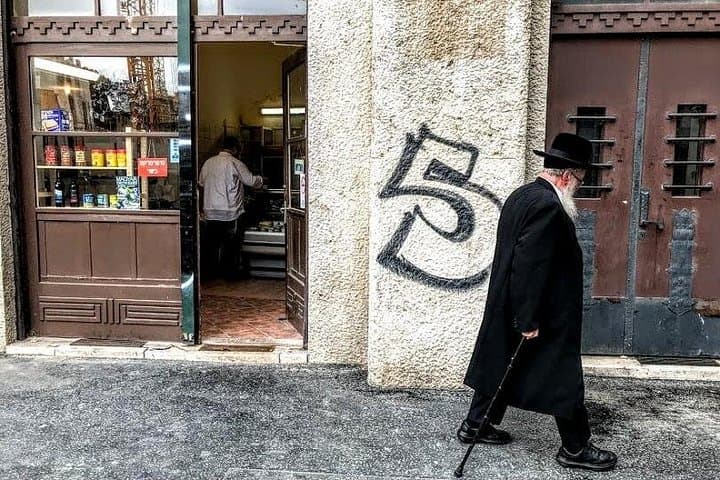


You step off a tram into the VII District and the city changes tone: tram rails hum, a river of footsteps threads between synagogue facades, and the air holds the scent of fresh bakery and spiced pastries. The guide leads you down Kazinczy and Dohány Streets, where carved stone, brass plaques and small courtyards keep stories close to the pavement.
You step off a tram into the VII District and the city changes tone: tram rails hum, a river of footsteps threads between synagogue facades, and the air holds the scent of fresh bakery and spiced pastries. The guide leads you down Kazinczy and Dohány Streets, where carved stone, brass plaques and small courtyards keep stories close to the pavement.
Budapest’s Jewish Quarter is layered history. 19th-century growth produced Moorish‑revival and Art Nouveau synagogues—Dohány’s monumental façade and Kazinczy’s ornate interior tell of a once-thriving community. The area also bears the heavy imprint of World War II: the 1944–45 ghetto boundary, the Shoes on the Danube memorial and small plaques marking rescue efforts by diplomats like Carl Lutz.
Geology here is urban: the Danube daring you from across the boulevard, its flat floodplain giving the quarter its compact, walkable form. Culture today blends kosher markets, coffeehouses and memorials; you’ll pass vendors selling challah and artisan chocolates beside kosher delis.
Practical guidance: expect about 1.5–2 kilometers of walking over mostly flat sidewalks and historic cobbles with frequent stops for remarks—plan on two hours. The pace is gentle but includes standing periods of 5–15 minutes at key sites. Wear supportive shoes, bring a small bottle of water and a compact umbrella in changeable weather. Note that some synagogues have rules about photography and modest dress; your private guide will advise. This tour is accessible and designed for focused listening and reflection—an efficient, rooted way to see Budapest’s Jewish past and present.