THE ADVENTURE COLLECTIVE® · Independent discovery and booking for outdoor travel

Move through Zion at your own pace with a private guide who scouts light, frames shots and leads short walks to dramatic overlooks. This full-day photography and walking tour pairs geology and local history with hands-on camera coaching.
Move through Zion at your own pace with a private guide who scouts light, frames shots and leads short walks to dramatic overlooks. This full-day photography and walking tour pairs geology and local history with hands-on camera coaching.
Dawn slides across Zion like a slow reveal: first a wash of pale gold, then the cliffs flare vermilion as a guide sets a tripod and scans for the best frame. On a private guided photography and walking tour, visitors move deliberately—no herd pace, no rush—stopping where the light makes the Navajo sandstone glow and where the canyon drops away into a river-stitched valley below.
Verified experiences and guided adventures in the surrounding area.
Operated by iTravel USA · Springdale, Utah
Dawn slides across Zion like a slow reveal: first a wash of pale gold, then the cliffs flare vermilion as a guide sets a tripod and scans for the best frame. On a private guided photography and walking tour, visitors move deliberately—no herd pace, no rush—stopping where the light makes the Navajo sandstone glow and where the canyon drops away into a river-stitched valley below.
Zion’s story is written in stone. Layers of Navajo Sandstone, carved by the Virgin River and uplifted by the Colorado Plateau, show ancient dunes frozen mid-slope; Checkerboard Mesa’s crosshatched fractures read like a geological diary. Human history runs parallel: Southern Paiute people read these canyons for food and water long before Mormon settlers arrived in the 19th century, and modern Springdale grew up as the park became a destination. Guides on private tours weave these facts into the day, adding context to each viewpoint and explaining why a particular angle catches the light differently at sunset.
The route is flexible by design. Highlights typically include the Canyon Overlook Trail—short, exposed and rewarding with a panoramic view of Pine Creek Canyon—drive-through drama at the Mt. Carmel Tunnel, quieter sections like Many Pools where slickrock and shallow basins collect reflective water, and a stop at Checkerboard Mesa. The tour is photographic by intent: guides help with composition, camera settings, and locating hidden vantage points that slip past larger groups.
Practical matters matter here. The experience runs roughly 10 hours and covers short walks and 20–60 minute hikes; expect uneven rock, carved steps, and slick surfaces after rain. Park admission and bottled water are included, and pickup from Springdale hotels is usually available—confirm details with the operator 48 hours ahead. Because this is private, the itinerary can be tailored to skill level and interest, but plan on early starts in summer to avoid midday heat and late afternoons in shoulder seasons for the best color.
What to bring: a sturdy, toe-protecting shoe, a camera with a small tripod or monopod, layered clothing for variable canyon conditions, and 2–3 liters of water. Sunscreen and a wide-brim hat are non-negotiable in high sun.
This tour is as much about composition and story as it is about scenery. With a good guide, the canyon stops being just a backdrop and becomes a collaborator—wind shaping grass in the foreground, a gallery window in the tunnel framing a distant cliff—each element nudging a better photograph and a deeper understanding of Zion’s geology and culture.
Yes—admission fees are included in the tour price, so you don’t need an additional ticket.
The tour is rated easy overall with short walks and some moderate sections like Canyon Overlook; it’s suitable for most visitors who can walk on uneven surfaces.
Yes—guides provide hands-on assistance with camera settings, composition, and basic lighting techniques tailored to your gear.
Tours may be modified or canceled for safety in severe weather. The operator cancels in unsafe conditions; confirm cancellation and refund policies when booking.
No meals are included, but guides will usually stop at a sandwich shop or bring snacks if requested—pack snacks if you prefer specific dietary choices.
Yes—this private experience is flexible and can be tailored to interests, mobility limits, and photographic goals when arranged in advance.
iTravel USA operates guided outdoor trips and adventures with an emphasis on safety, stewardship, and memorable experiences.
Dawn slides across Zion like a slow reveal: first a wash of pale gold, then the cliffs flare vermilion as a guide sets a tripod and scans for the best frame. On a private guided photography and walking tour, visitors move deliberately—no herd pace, no rush—stopping where the light makes the Navajo sandstone glow and where the canyon drops away into a river-stitched valley below.
Dawn slides across Zion like a slow reveal: first a wash of pale gold, then the cliffs flare vermilion as a guide sets a tripod and scans for the best frame. On a private guided photography and walking tour, visitors move deliberately—no herd pace, no rush—stopping where the light makes the Navajo sandstone glow and where the canyon drops away into a river-stitched valley below.
Zion’s story is written in stone. Layers of Navajo Sandstone, carved by the Virgin River and uplifted by the Colorado Plateau, show ancient dunes frozen mid-slope; Checkerboard Mesa’s crosshatched fractures read like a geological diary. Human history runs parallel: Southern Paiute people read these canyons for food and water long before Mormon settlers arrived in the 19th century, and modern Springdale grew up as the park became a destination. Guides on private tours weave these facts into the day, adding context to each viewpoint and explaining why a particular angle catches the light differently at sunset.
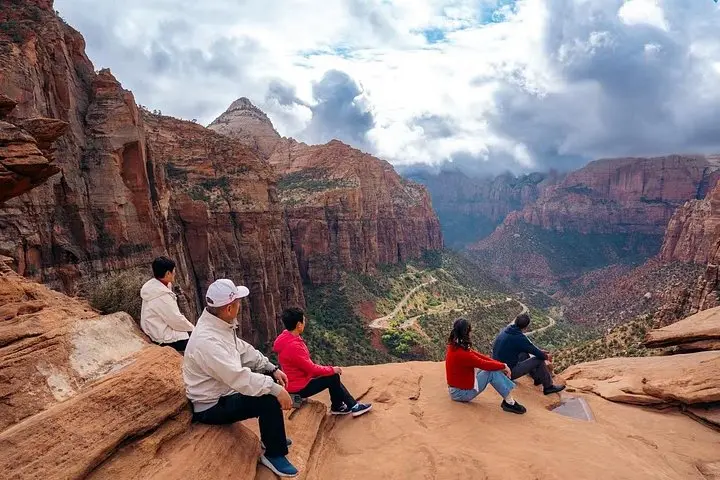
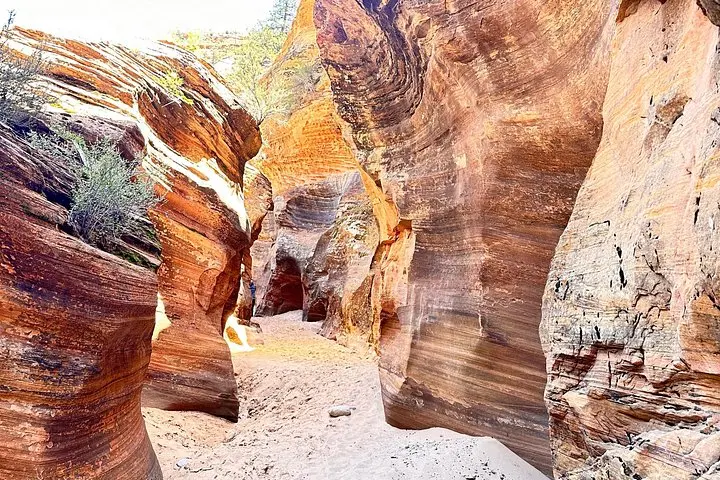
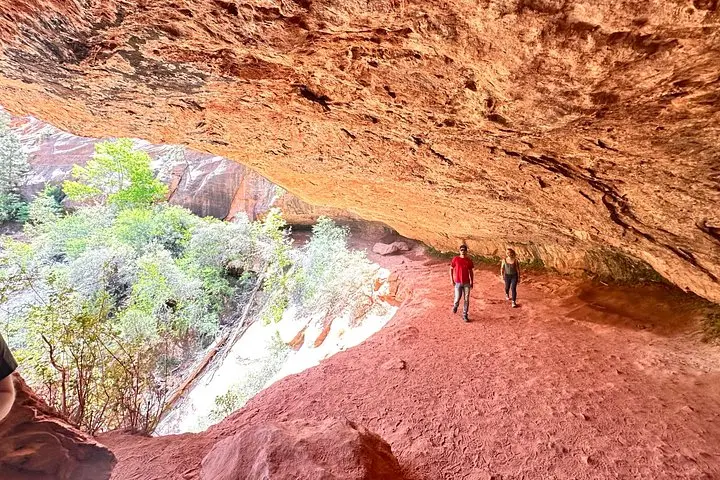
The route is flexible by design. Highlights typically include the Canyon Overlook Trail—short, exposed and rewarding with a panoramic view of Pine Creek Canyon—drive-through drama at the Mt. Carmel Tunnel, quieter sections like Many Pools where slickrock and shallow basins collect reflective water, and a stop at Checkerboard Mesa. The tour is photographic by intent: guides help with composition, camera settings, and locating hidden vantage points that slip past larger groups.
Practical matters matter here. The experience runs roughly 10 hours and covers short walks and 20–60 minute hikes; expect uneven rock, carved steps, and slick surfaces after rain. Park admission and bottled water are included, and pickup from Springdale hotels is usually available—confirm details with the operator 48 hours ahead. Because this is private, the itinerary can be tailored to skill level and interest, but plan on early starts in summer to avoid midday heat and late afternoons in shoulder seasons for the best color.
What to bring: a sturdy, toe-protecting shoe, a camera with a small tripod or monopod, layered clothing for variable canyon conditions, and 2–3 liters of water. Sunscreen and a wide-brim hat are non-negotiable in high sun.
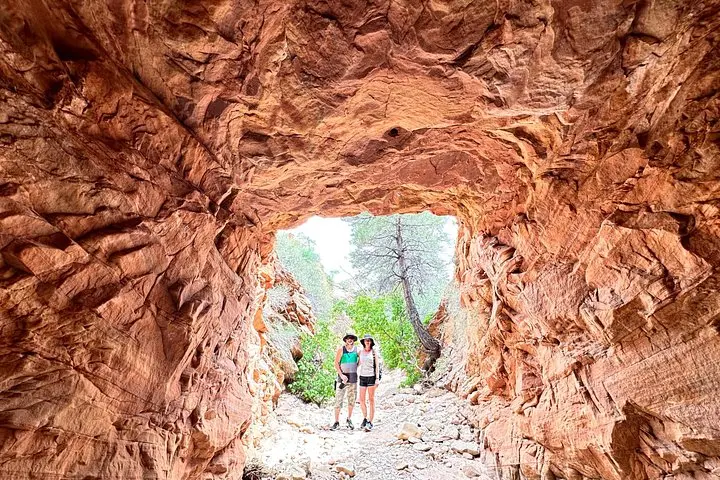
This tour is as much about composition and story as it is about scenery. With a good guide, the canyon stops being just a backdrop and becomes a collaborator—wind shaping grass in the foreground, a gallery window in the tunnel framing a distant cliff—each element nudging a better photograph and a deeper understanding of Zion’s geology and culture.