THE ADVENTURE COLLECTIVE® · Independent discovery and booking for outdoor travel

Stand in the shadow of Khufu, Khafre and Menkaure on a private guided tour of the Giza Plateau. Expect close-up views, Sphinx time, and optional pyramid interior tickets arranged by your Egyptologist guide.
Stand in the shadow of Khufu, Khafre and Menkaure on a private guided tour of the Giza Plateau. Expect close-up views, Sphinx time, and optional pyramid interior tickets arranged by your Egyptologist guide.
You arrive at the Giza Plateau before the city’s heat fully climbs; wind-scoured sand presses against the stone and light pulls the pyramid faces into sharp relief. The three great pyramids—Khufu, Khafre and Menkaure—rise like engineered mountains, and the Sphinx stares eastward, its weathered face a quiet, enormous presence.
Verified experiences and guided adventures in the surrounding area.
Operated by Luxury Tours Egypt · Giza, Giza Governorate
You arrive at the Giza Plateau before the city’s heat fully climbs; wind-scoured sand presses against the stone and light pulls the pyramid faces into sharp relief. The three great pyramids—Khufu, Khafre and Menkaure—rise like engineered mountains, and the Sphinx stares eastward, its weathered face a quiet, enormous presence.
These monuments date to Egypt’s Old Kingdom (around 2600–2500 BCE) when pharaohs directed vast labor and quarrying projects. The limestone and granite here tell a geologic story: Tura limestone casing once smoothed Khufu’s slopes, while Aswan granite, carried over 1,000 km, still clads parts of Menkaure. Culturally, the plateau served as a necropolis and ritual landscape; nearby valley temples and causeways linked the living city to funerary rites.
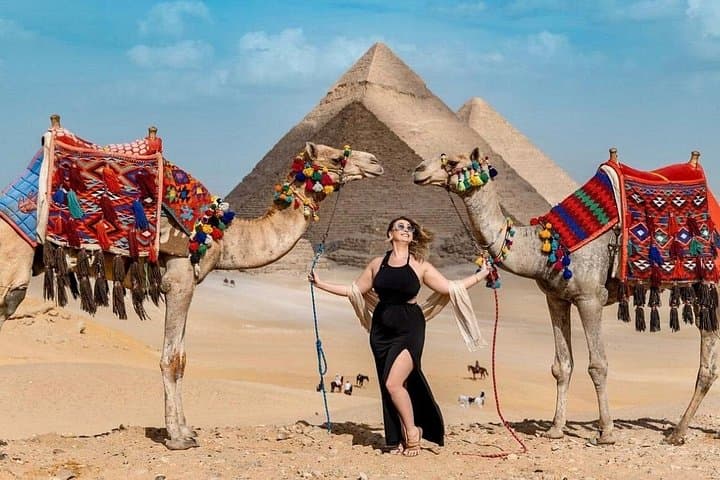
A private, guided stop sequence typically includes close-up views of each pyramid, the Khafre Valley Temple, panoramic viewpoints for photography, and time at the Sphinx; interior access to pyramids requires an extra ticket. Guides add context—hieroglyphic details, excavation milestones, and local craftspeople’s stories—and can arrange optional camel rides or a visit to the Solar Boat Museum.
Practical notes: wear sturdy shoes for uneven stone and sand, carry sun protection and a refillable water bottle, and plan morning or late-afternoon visits to avoid peak heat and harsh light. Photography is excellent from the western ridge at golden hour. Respect fenced areas, follow your guide’s directions, and budget extra time and cash if you want interior tickets, camel rides, or to visit nearby Memphis and Saqqara on the same day.
Interior access is not included in the standard tour price and requires a separate ticket; your guide can help purchase it subject to availability.
Typical duration is 3–5 hours with hotel pickup and drop-off in Cairo or Giza included in most private tour packages.
Some areas and the main viewpoints are wheelchair accessible, but interior pyramid passages and uneven ground are not suitable for wheelchairs.
Yes—camel rides are offered by local handlers and are optional; negotiate price in advance and clarify the duration and safety precautions.
Luxury Tours Egypt operates guided outdoor trips and adventures with an emphasis on safety, stewardship, and memorable experiences.
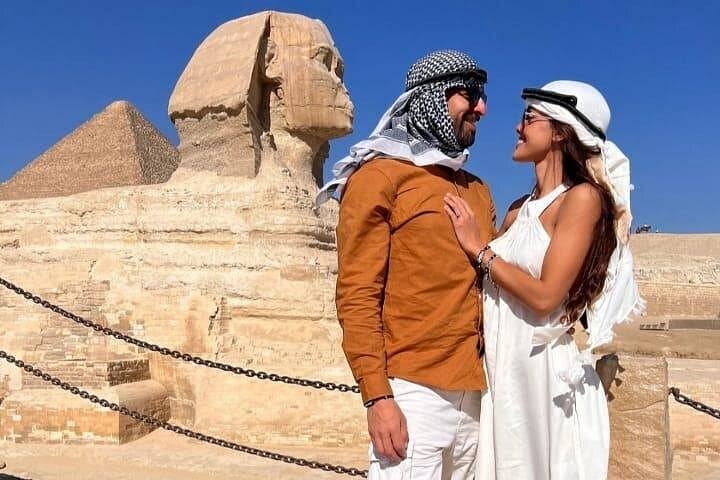
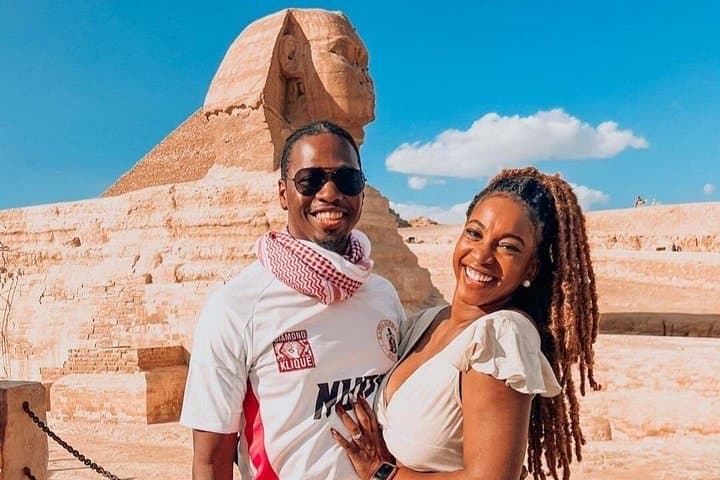
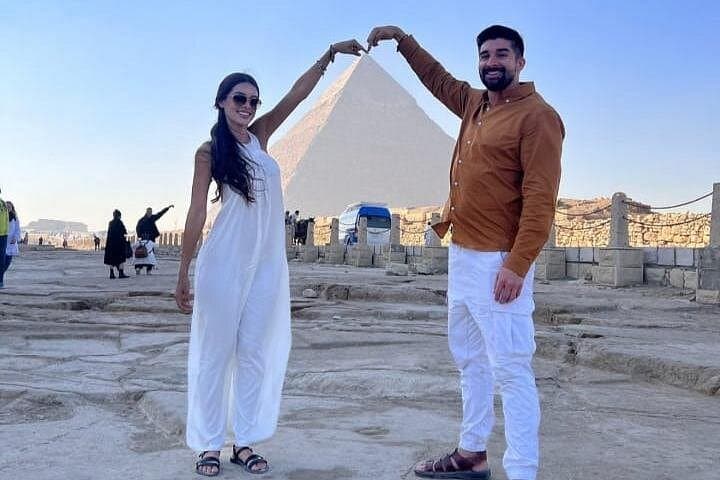
You arrive at the Giza Plateau before the city’s heat fully climbs; wind-scoured sand presses against the stone and light pulls the pyramid faces into sharp relief. The three great pyramids—Khufu, Khafre and Menkaure—rise like engineered mountains, and the Sphinx stares eastward, its weathered face a quiet, enormous presence.
You arrive at the Giza Plateau before the city’s heat fully climbs; wind-scoured sand presses against the stone and light pulls the pyramid faces into sharp relief. The three great pyramids—Khufu, Khafre and Menkaure—rise like engineered mountains, and the Sphinx stares eastward, its weathered face a quiet, enormous presence.
These monuments date to Egypt’s Old Kingdom (around 2600–2500 BCE) when pharaohs directed vast labor and quarrying projects. The limestone and granite here tell a geologic story: Tura limestone casing once smoothed Khufu’s slopes, while Aswan granite, carried over 1,000 km, still clads parts of Menkaure. Culturally, the plateau served as a necropolis and ritual landscape; nearby valley temples and causeways linked the living city to funerary rites.
A private, guided stop sequence typically includes close-up views of each pyramid, the Khafre Valley Temple, panoramic viewpoints for photography, and time at the Sphinx; interior access to pyramids requires an extra ticket. Guides add context—hieroglyphic details, excavation milestones, and local craftspeople’s stories—and can arrange optional camel rides or a visit to the Solar Boat Museum.
Practical notes: wear sturdy shoes for uneven stone and sand, carry sun protection and a refillable water bottle, and plan morning or late-afternoon visits to avoid peak heat and harsh light. Photography is excellent from the western ridge at golden hour. Respect fenced areas, follow your guide’s directions, and budget extra time and cash if you want interior tickets, camel rides, or to visit nearby Memphis and Saqqara on the same day.