THE ADVENTURE COLLECTIVE® · Independent discovery and booking for outdoor travel

A private 2.5-hour guided walkthrough of the National Gallery of Art that pairs close-looking with cultural context. Ideal for visitors who want the stories behind masterpieces from da Vinci to Rothko.
A private 2.5-hour guided walkthrough of the National Gallery of Art that pairs close-looking with cultural context. Ideal for visitors who want the stories behind masterpieces from da Vinci to Rothko.
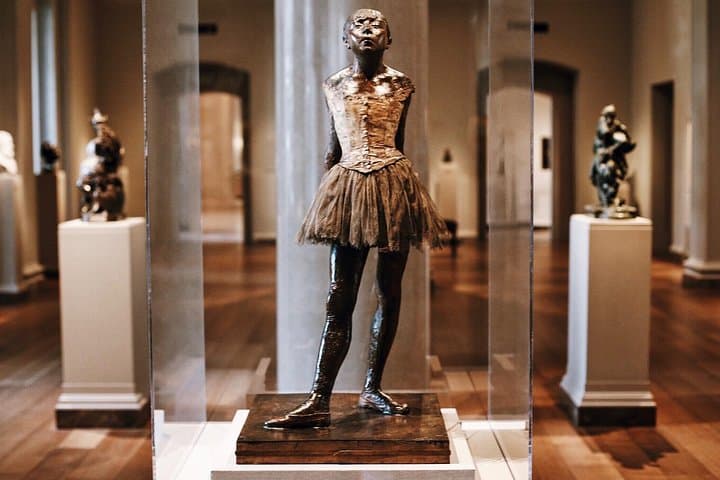
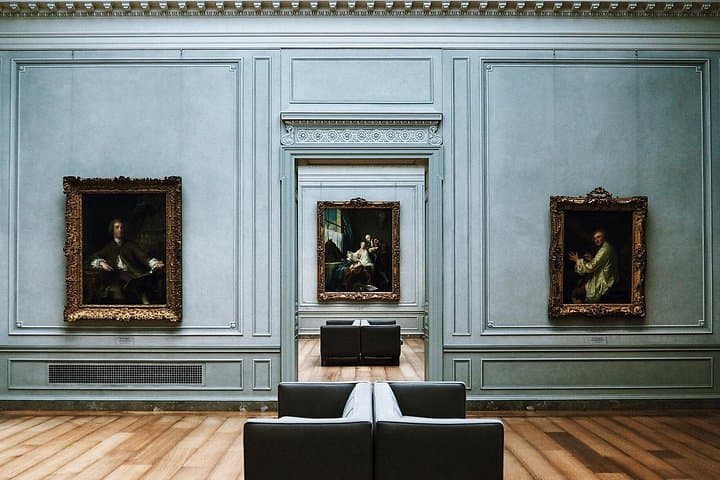
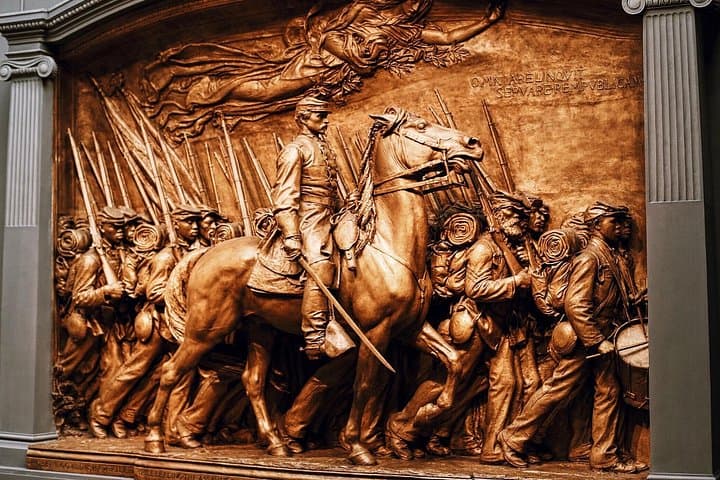
You step through the Constitution Avenue entrance and the noise of the Mall falls away; stone halls and high-lit galleries take over. The guide leads you past quiet clusters of viewers, pausing at a da Vinci when the room feels like a careful hush. Light on the paintings, footfalls on marble — the museum imposes its own rhythm.
Verified experiences and guided adventures in the surrounding area.
Operated by Babylon Tours DC · Washington, District of Columbia
You step through the Constitution Avenue entrance and the noise of the Mall falls away; stone halls and high-lit galleries take over. The guide leads you past quiet clusters of viewers, pausing at a da Vinci when the room feels like a careful hush. Light on the paintings, footfalls on marble — the museum imposes its own rhythm.
The National Gallery of Art began as a public gift in 1937 and opened its West Building in 1941; the modern East Building arrived decades later, expanding the city’s architectural conversation. The collection charts seven centuries of Western art, so the story here is as much social history as it is technique: Renaissance portraiture, Impressionist light studies, the bold ruptures of 20th-century abstraction. Geology and place show up too — the Gallery sits on the Atlantic Coastal Plain beside the Potomac, and views toward the Mall link the artworks to Washington’s civic landscape.
Expect a guided, interpretive pace: your guide will unpack composition, patronage, and scandal as you move between rooms. Practicalities matter — lines at security, quiet-room rules, and limited bag sizes. Wear comfortable shoes: the tour covers two buildings and standing at several works is normal. If you visit in peak season, plan extra time for the Sculpture Garden and café; winter visits can be quieter but watch for occasional closures. The tour is wheelchair accessible but requires a short wait through museum screening. Bring a charged phone for meeting logistics, but remember that flash photography and loud conversation are prohibited in many galleries.
This tour is for the traveler who wants context with their viewing: vivid, interpretive guidance that turns iconic works into readable moments rather than passive stops on a list.
Admission to the National Gallery of Art is free; this tour fee covers the private guide and interpretive service.
Yes — both buildings are wheelchair accessible and the tour notes indicate accommodations are available; contact the operator ahead for specific needs.
Photography without flash is generally allowed in many spaces, but some rooms and specific works restrict photos; follow your guide’s directions.
Meet at the Constitution Avenue entrance of the National Gallery of Art; bring a small bag, your confirmation and a charged phone with the number provided at booking.
Babylon Tours DC operates guided outdoor trips and adventures with an emphasis on safety, stewardship, and memorable experiences.

You step through the Constitution Avenue entrance and the noise of the Mall falls away; stone halls and high-lit galleries take over. The guide leads you past quiet clusters of viewers, pausing at a da Vinci when the room feels like a careful hush. Light on the paintings, footfalls on marble — the museum imposes its own rhythm.
You step through the Constitution Avenue entrance and the noise of the Mall falls away; stone halls and high-lit galleries take over. The guide leads you past quiet clusters of viewers, pausing at a da Vinci when the room feels like a careful hush. Light on the paintings, footfalls on marble — the museum imposes its own rhythm.
The National Gallery of Art began as a public gift in 1937 and opened its West Building in 1941; the modern East Building arrived decades later, expanding the city’s architectural conversation. The collection charts seven centuries of Western art, so the story here is as much social history as it is technique: Renaissance portraiture, Impressionist light studies, the bold ruptures of 20th-century abstraction. Geology and place show up too — the Gallery sits on the Atlantic Coastal Plain beside the Potomac, and views toward the Mall link the artworks to Washington’s civic landscape.
Expect a guided, interpretive pace: your guide will unpack composition, patronage, and scandal as you move between rooms. Practicalities matter — lines at security, quiet-room rules, and limited bag sizes. Wear comfortable shoes: the tour covers two buildings and standing at several works is normal. If you visit in peak season, plan extra time for the Sculpture Garden and café; winter visits can be quieter but watch for occasional closures. The tour is wheelchair accessible but requires a short wait through museum screening. Bring a charged phone for meeting logistics, but remember that flash photography and loud conversation are prohibited in many galleries.
This tour is for the traveler who wants context with their viewing: vivid, interpretive guidance that turns iconic works into readable moments rather than passive stops on a list.