THE ADVENTURE COLLECTIVE® · Independent discovery and booking for outdoor travel

Walk where athletes once trained and stand before sculptural masterpieces that shaped Western art. This private guided tour of Ancient Olympia and its museum blends on-site storytelling with practical tips for a comfortable visit.
Walk where athletes once trained and stand before sculptural masterpieces that shaped Western art. This private guided tour of Ancient Olympia and its museum blends on-site storytelling with practical tips for a comfortable visit.
Morning light slants across worn stone as the guide leads a small group through the gateway of Ancient Olympia. Dust rises faintly from pathways trodden by millennia; cypress and olive trees lean into the ruins, their leaves whispering like an audience waiting for the games to begin.
Verified experiences and guided adventures in the surrounding area.
Operated by Natalia Stroppiana - Guida Turistica Olimpia Antica · Olympia, Western Greece
Morning light slants across worn stone as the guide leads a small group through the gateway of Ancient Olympia. Dust rises faintly from pathways trodden by millennia; cypress and olive trees lean into the ruins, their leaves whispering like an audience waiting for the games to begin.
This site is the cradle of the ancient Olympic Games. Visitors move from the training grounds to the Temple of Zeus—once home to Phidias's colossal statue—and on to the simple, upright Temple of Hera where the sacred flame was rekindled. Geologically, the site sits on alluvial plains fed by the Alfeios and Kladeos rivers; the soft soils preserved marble fragments and pediments that now live in the nearby museum.
The Archaeological Museum of Olympia houses pediments, votive offerings and sculptural masterpieces including works attributed to Praxiteles and finds linked to Phidias’ workshop. The museum puts the stones back into stories: athletics, religion and civic pride across centuries.
Practical guidance: the private guided tour runs roughly 2–3 hours and does not include entrance tickets (full ticket ~€20; free for those under 25). Wear sturdy walking shoes for uneven surfaces, sun protection in summer, and arrive early to avoid heat and crowds. Photography is allowed but respect barriered areas and follow the guide’s path.
Accessibility is high—paths and transport options accommodate wheelchairs—but some ancient thresholds are uneven. Bring water, move deliberately between exhibits, and give the stones their space: conservation depends on visitors who look, learn and leave footprints light on the earth.
No—entrance tickets to the archaeological site and the museum are not included in the tour price; the full ticket is approximately €20, and admission is free for young people up to 25.
The professional guide speaks English, Italian and Greek as noted in the tour inclusions.
The tour is listed as wheelchair accessible with accessible transportation options, but some ancient pathways and thresholds are uneven—check specifics with the operator ahead of time.
The experience is easy in terms of fitness—expect 2–3 hours of walking and standing with frequent stops for explanations and museum viewing.
Natalia Stroppiana - Guida Turistica Olimpia Antica operates guided outdoor trips and adventures with an emphasis on safety, stewardship, and memorable experiences.
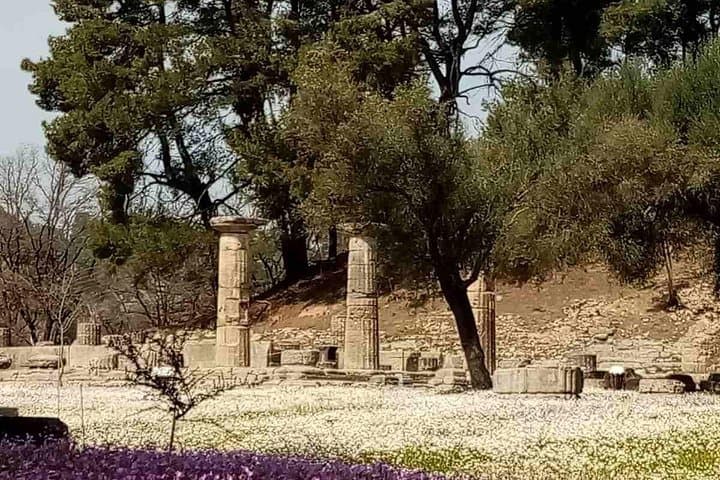

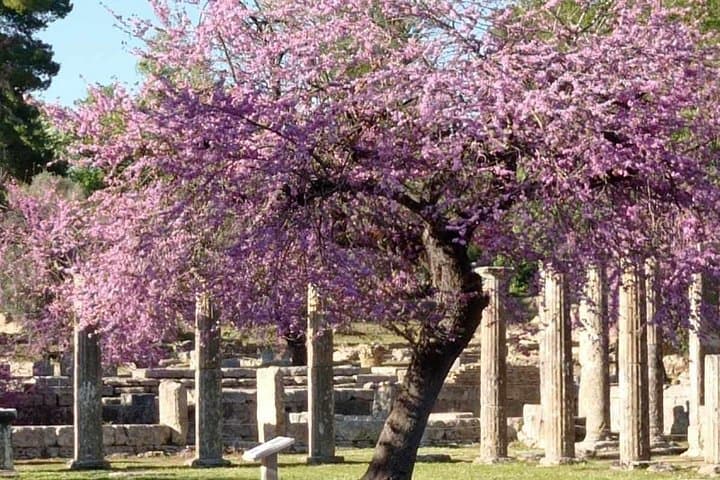

Morning light slants across worn stone as the guide leads a small group through the gateway of Ancient Olympia. Dust rises faintly from pathways trodden by millennia; cypress and olive trees lean into the ruins, their leaves whispering like an audience waiting for the games to begin.
Morning light slants across worn stone as the guide leads a small group through the gateway of Ancient Olympia. Dust rises faintly from pathways trodden by millennia; cypress and olive trees lean into the ruins, their leaves whispering like an audience waiting for the games to begin.
This site is the cradle of the ancient Olympic Games. Visitors move from the training grounds to the Temple of Zeus—once home to Phidias's colossal statue—and on to the simple, upright Temple of Hera where the sacred flame was rekindled. Geologically, the site sits on alluvial plains fed by the Alfeios and Kladeos rivers; the soft soils preserved marble fragments and pediments that now live in the nearby museum.
The Archaeological Museum of Olympia houses pediments, votive offerings and sculptural masterpieces including works attributed to Praxiteles and finds linked to Phidias’ workshop. The museum puts the stones back into stories: athletics, religion and civic pride across centuries.
Practical guidance: the private guided tour runs roughly 2–3 hours and does not include entrance tickets (full ticket ~€20; free for those under 25). Wear sturdy walking shoes for uneven surfaces, sun protection in summer, and arrive early to avoid heat and crowds. Photography is allowed but respect barriered areas and follow the guide’s path.
Accessibility is high—paths and transport options accommodate wheelchairs—but some ancient thresholds are uneven. Bring water, move deliberately between exhibits, and give the stones their space: conservation depends on visitors who look, learn and leave footprints light on the earth.