THE ADVENTURE COLLECTIVE® · Independent discovery and booking for outdoor travel

Explore Tate Modern with a private guide over two concentrated hours—enter the converted power station, meet modern masters from Mondrian to Warhol, and learn the stories behind provocative installations. Practical tips and accessibility notes help you make the most of the visit.
Explore Tate Modern with a private guide over two concentrated hours—enter the converted power station, meet modern masters from Mondrian to Warhol, and learn the stories behind provocative installations. Practical tips and accessibility notes help you make the most of the visit.
Step off the Thames-side path into the cavernous Turbine Hall and feel the building's industrial bones press close—concrete galleries, high ceilings and the hush of people moving between canvases. This two-hour private guided tour takes that first impression and sharpens it: a focused walk through modern and contemporary works, punctuated by moments that insist you stop and reconsider what a painting, sculpture or installation wants from you.
Verified experiences and guided adventures in the surrounding area.
Operated by Babylon Tours London · London, England
Step off the Thames-side path into the cavernous Turbine Hall and feel the building's industrial bones press close—concrete galleries, high ceilings and the hush of people moving between canvases. This two-hour private guided tour takes that first impression and sharpens it: a focused walk through modern and contemporary works, punctuated by moments that insist you stop and reconsider what a painting, sculpture or installation wants from you.
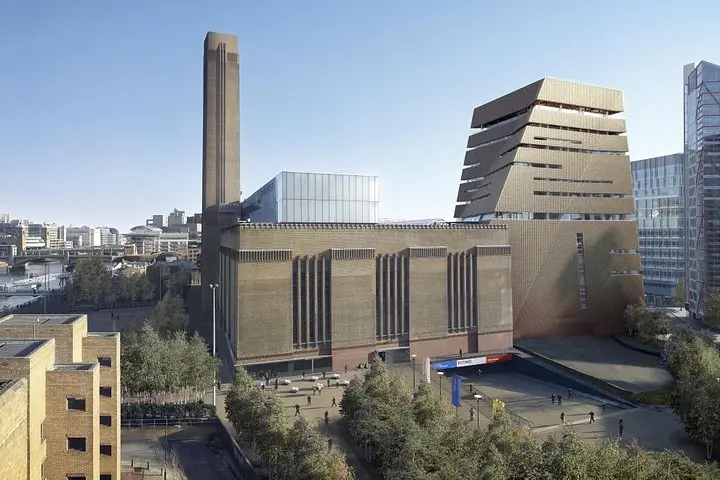
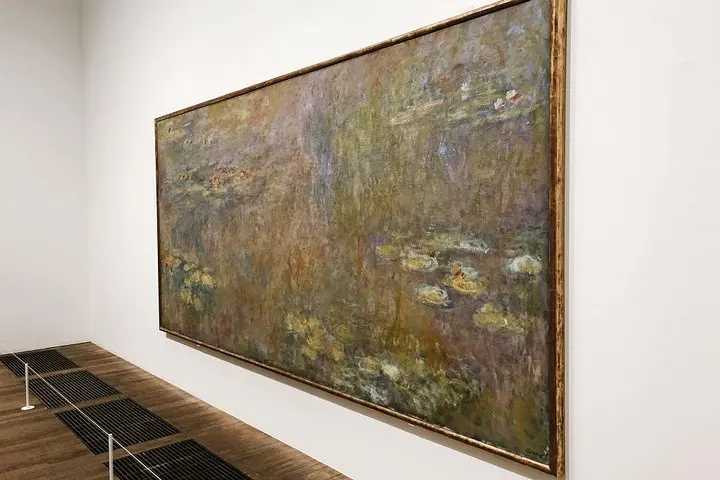
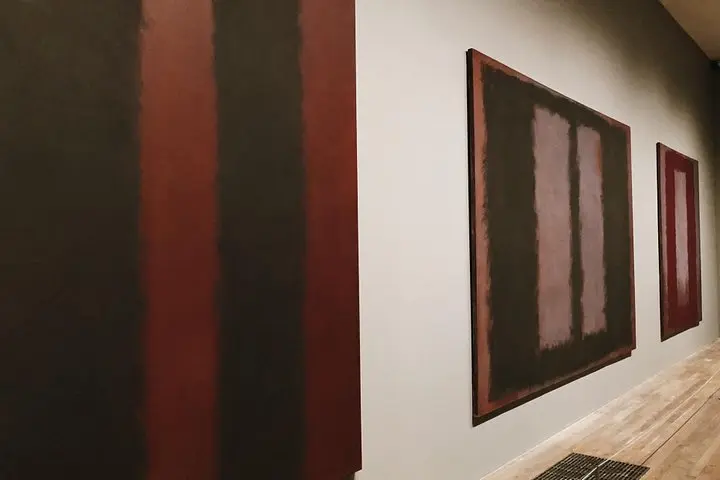
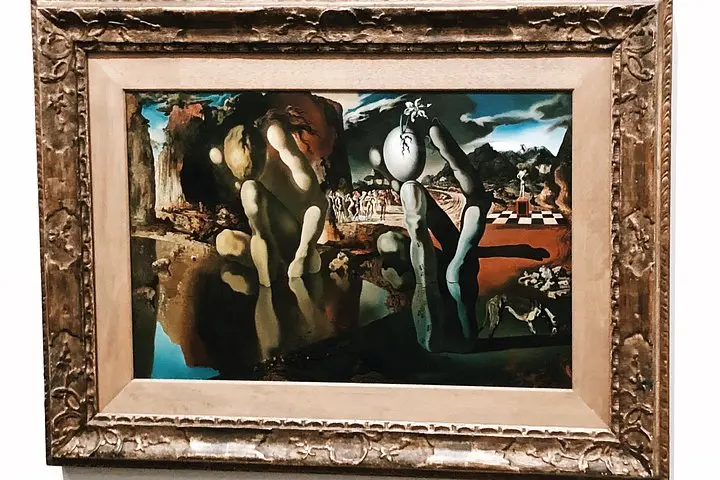
The Tate Modern occupies a converted Bankside power station (designed by Sir Giles Gilbert Scott) reimagined by Herzog & de Meuron and opened as a museum in 2000; the Blavatnik Building added in 2016 expanded viewing platforms and light-filled galleries. Expect encounters with geometric modernism, abstract-expressionist fields, pop art icons and provocative conceptual pieces that often provoke more questions than answers.
Culturally, Bankside sits amid Shakespeare’s Globe, the Millennium Bridge and a stretch of riverside life—so plan time to step outside between galleries. Geologically, the Thames has long shaped the bank and the gritty, industrial character that framed the power station’s original purpose.
Practical guidance: arrive 10–15 minutes early, bring a small bag (no large suitcases), and wear comfortable shoes—the tour involves standing and short walks between rooms. Photography rules vary by room; follow your guide’s direction. The Tate’s permanent collection is free, but special exhibitions may require an entry ticket. If mobility or hearing access matters, confirm arrangements in advance. Carry a charged phone for your booking confirmation and be ready for a couple of galleries where silence is requested—those quiet rooms are part of the experience, not the etiquette.
Tate Modern’s permanent collection is free; however special exhibitions often require paid entry—check exhibition details before booking and bring any necessary tickets.
Yes—the building and most galleries are wheelchair accessible; confirm specific assistance needs when booking to ensure best arrangements.
Non-flash photography is generally permitted for personal use, but some works or rooms restrict photography—follow your guide’s instructions and posted signs.
Large suitcases and oversized bags are not allowed; bring a small bag for security screening and avoid items that will slow entry.
Babylon Tours London operates guided outdoor trips and adventures with an emphasis on safety, stewardship, and memorable experiences.
Step off the Thames-side path into the cavernous Turbine Hall and feel the building's industrial bones press close—concrete galleries, high ceilings and the hush of people moving between canvases. This two-hour private guided tour takes that first impression and sharpens it: a focused walk through modern and contemporary works, punctuated by moments that insist you stop and reconsider what a painting, sculpture or installation wants from you.
Step off the Thames-side path into the cavernous Turbine Hall and feel the building's industrial bones press close—concrete galleries, high ceilings and the hush of people moving between canvases. This two-hour private guided tour takes that first impression and sharpens it: a focused walk through modern and contemporary works, punctuated by moments that insist you stop and reconsider what a painting, sculpture or installation wants from you.
The Tate Modern occupies a converted Bankside power station (designed by Sir Giles Gilbert Scott) reimagined by Herzog & de Meuron and opened as a museum in 2000; the Blavatnik Building added in 2016 expanded viewing platforms and light-filled galleries. Expect encounters with geometric modernism, abstract-expressionist fields, pop art icons and provocative conceptual pieces that often provoke more questions than answers.
Culturally, Bankside sits amid Shakespeare’s Globe, the Millennium Bridge and a stretch of riverside life—so plan time to step outside between galleries. Geologically, the Thames has long shaped the bank and the gritty, industrial character that framed the power station’s original purpose.
Practical guidance: arrive 10–15 minutes early, bring a small bag (no large suitcases), and wear comfortable shoes—the tour involves standing and short walks between rooms. Photography rules vary by room; follow your guide’s direction. The Tate’s permanent collection is free, but special exhibitions may require an entry ticket. If mobility or hearing access matters, confirm arrangements in advance. Carry a charged phone for your booking confirmation and be ready for a couple of galleries where silence is requested—those quiet rooms are part of the experience, not the etiquette.