THE ADVENTURE COLLECTIVE® · Independent discovery and booking for outdoor travel

A private, skip-the-line highlights tour of the British Museum led by a licensed Blue Badge guide. Spend 2.5 hours with focused commentary on the Rosetta Stone, Egyptian antiquities, Parthenon sculptures, and Roman glass.
A private, skip-the-line highlights tour of the British Museum led by a licensed Blue Badge guide. Spend 2.5 hours with focused commentary on the Rosetta Stone, Egyptian antiquities, Parthenon sculptures, and Roman glass.
You step through the grand glass-covered courtyard and the museum seems to inhale — a hush of footsteps, the soft echo of voices, and stone faces that have watched empires rise. In two and a half hours a knowledgeable Blue Badge guide leads your private party past the Rosetta Stone, a statue of Tutankhamun, Parthenon marbles and compact cases of Roman glass, each object described with contextual clarity rather than museum-speak.
Verified experiences and guided adventures in the surrounding area.
Operated by Anthony Matthews · London, England
You step through the grand glass-covered courtyard and the museum seems to inhale — a hush of footsteps, the soft echo of voices, and stone faces that have watched empires rise. In two and a half hours a knowledgeable Blue Badge guide leads your private party past the Rosetta Stone, a statue of Tutankhamun, Parthenon marbles and compact cases of Roman glass, each object described with contextual clarity rather than museum-speak.
The British Museum began in 1753 from Sir Hans Sloane's collection and became a public institution focused on global antiquities; its reading-room era and Enlightenment Gallery still shape how objects are arranged and read. Geology meets art here: granodiorite that bears the Rosetta Stone's inscription, veined marble from Athens, goldwork from prehistoric Britain — the materials tell part of each object's journey. At the same time, the collection sits within active cultural debates about provenance and repatriation, a living conversation the guide will address.
For visitors, the practical advantages are immediate: private tours allow front-of-line access, a tailored pace for families, and focused time on highlights without museum overwhelm. Expect indoor walking on museum floors, brief security checks on entry, and strict no-touch, no-flash policies to protect delicate surfaces. Bring comfortable shoes, a charged phone for notes and photos (no flash), and a small water bottle to sip between galleries. If you want depth on a single gallery, ask your guide to extend that focus — a private tour bends to your curiosity while the building holds centuries of stories in plain sight.
Yes, entrance tickets are included with this private guided tour as noted in the tour inclusions.
The tour is private for up to six people under the single booking price.
Yes, the guide works with families and can adapt commentary and pace for children; strollers are allowed.
The British Museum has accessible entrances, lifts, and services; however, a historic building means some areas may have limitations — inform the operator of specific needs in advance.
Anthony Matthews operates guided outdoor trips and adventures with an emphasis on safety, stewardship, and memorable experiences.
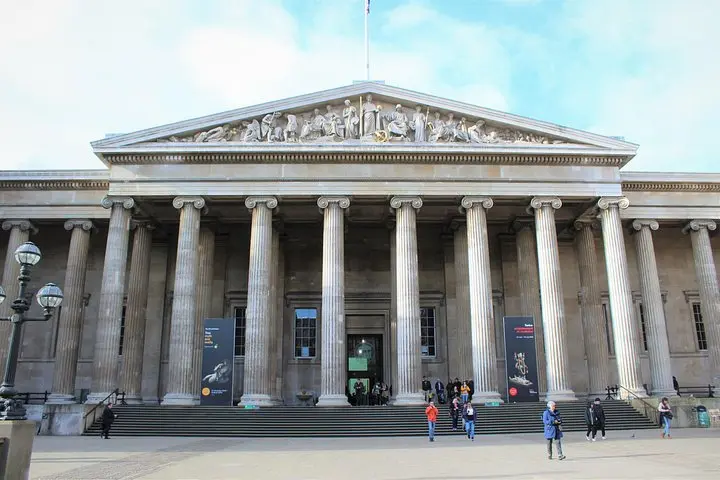
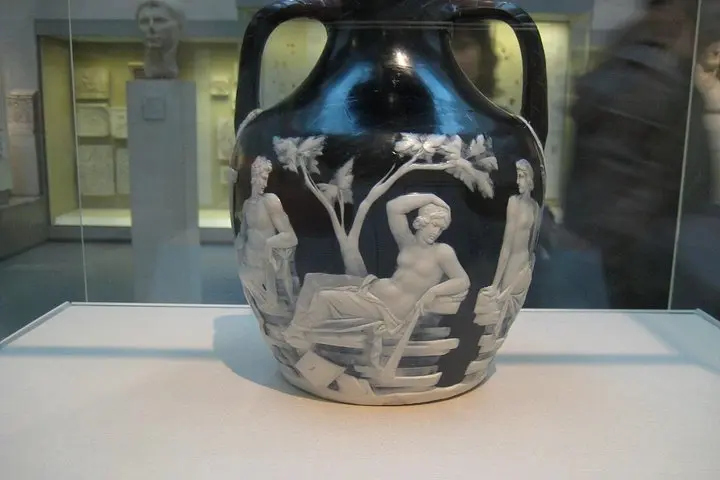
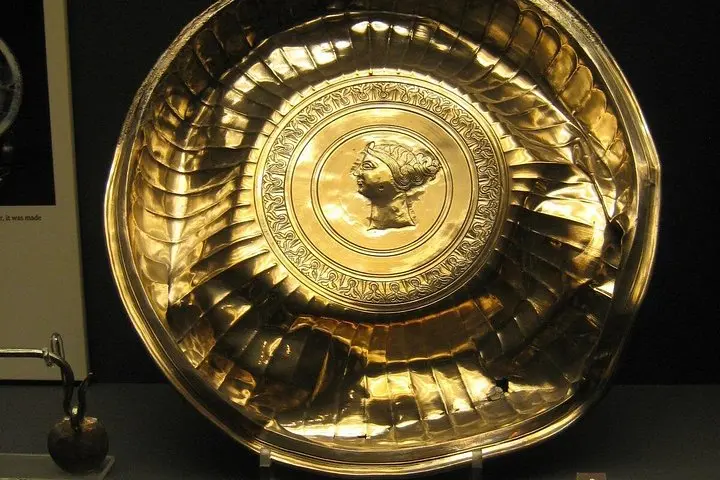
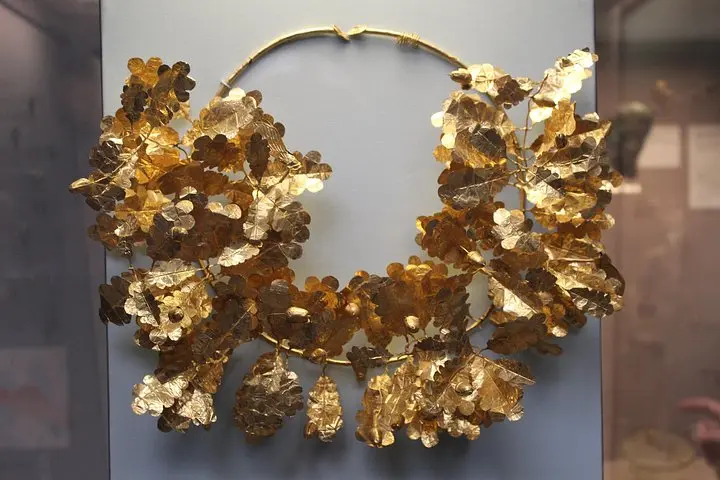
You step through the grand glass-covered courtyard and the museum seems to inhale — a hush of footsteps, the soft echo of voices, and stone faces that have watched empires rise. In two and a half hours a knowledgeable Blue Badge guide leads your private party past the Rosetta Stone, a statue of Tutankhamun, Parthenon marbles and compact cases of Roman glass, each object described with contextual clarity rather than museum-speak.
You step through the grand glass-covered courtyard and the museum seems to inhale — a hush of footsteps, the soft echo of voices, and stone faces that have watched empires rise. In two and a half hours a knowledgeable Blue Badge guide leads your private party past the Rosetta Stone, a statue of Tutankhamun, Parthenon marbles and compact cases of Roman glass, each object described with contextual clarity rather than museum-speak.
The British Museum began in 1753 from Sir Hans Sloane's collection and became a public institution focused on global antiquities; its reading-room era and Enlightenment Gallery still shape how objects are arranged and read. Geology meets art here: granodiorite that bears the Rosetta Stone's inscription, veined marble from Athens, goldwork from prehistoric Britain — the materials tell part of each object's journey. At the same time, the collection sits within active cultural debates about provenance and repatriation, a living conversation the guide will address.
For visitors, the practical advantages are immediate: private tours allow front-of-line access, a tailored pace for families, and focused time on highlights without museum overwhelm. Expect indoor walking on museum floors, brief security checks on entry, and strict no-touch, no-flash policies to protect delicate surfaces. Bring comfortable shoes, a charged phone for notes and photos (no flash), and a small water bottle to sip between galleries. If you want depth on a single gallery, ask your guide to extend that focus — a private tour bends to your curiosity while the building holds centuries of stories in plain sight.