THE ADVENTURE COLLECTIVE® · Independent discovery and booking for outdoor travel

Explore the Egyptian Museum in Tahrir Square with a private Egyptologist for four hours. This guided visit pairs context-rich storytelling with practical logistics—hotel transfers and tailored pacing—so you can focus on artifacts rather than navigation.
Explore the Egyptian Museum in Tahrir Square with a private Egyptologist for four hours. This guided visit pairs context-rich storytelling with practical logistics—hotel transfers and tailored pacing—so you can focus on artifacts rather than navigation.
You step out of the car into the rumble of Tahrir Square, the museum’s sandstone façade rising with the city’s layered history around it. Inside, air-conditioned galleries hush the traffic; alabaster, painted wood, and gold sit in glass cases while a guide names dynasties and points out the small details that reveal big stories.
Verified experiences and guided adventures in the surrounding area.
Operated by Egypt VIP Tours · Cairo, Cairo Governorate
You step out of the car into the rumble of Tahrir Square, the museum’s sandstone façade rising with the city’s layered history around it. Inside, air-conditioned galleries hush the traffic; alabaster, painted wood, and gold sit in glass cases while a guide names dynasties and points out the small details that reveal big stories.
The Egyptian Museum in Cairo (established in its Tahrir location in 1902) houses an enormous public collection of antiquities—catalogues list hundreds of thousands of objects—focused on Pharaonic Egypt and the famous Tutankhamun assemblage. The building itself reflects early 20th‑century Egyptian museum design and has been a focal point for archaeology, repatriation debates, and conservation work for generations.
Culturally, a visit compares imperial splendor with everyday artifacts: funerary goods sit near combs, amulets, and pottery that speak to ordinary life along the Nile. Geologically, much of the stonework—limestone, sandstone, and rare granites—was quarried from the Nile valley and Aswan, giving the objects a landscape connection.
Practical guidance: this private four‑hour option pairs a licensed Egyptologist with round‑trip transfers, making logistics simple. Note that entrance fees and any special exhibition tickets are typically not included, though your guide will advise on purchase. Expect several hours of standing and slow walking; bring comfortable shoes and a small bag for camera gear. Flash photography is often restricted; follow the guide’s instructions to protect fragile pigments and fragile artifacts.
Admission is typically not included; the itinerary notes admissionIncluded: NO, so plan to pay entry fees at the museum or have your guide arrange tickets.
Yes — the private tour lists round‑trip hotel transfers by air‑conditioned vehicle as included in the service.
Photography policies vary by gallery and exhibit; flash is often prohibited to protect pigments—always follow your guide’s instructions and posted signs.
Yes; the activity is rated physically easy and suitable for most ages, though it involves standing and walking for several hours—request a slower pace if needed.
Egypt VIP Tours operates guided outdoor trips and adventures with an emphasis on safety, stewardship, and memorable experiences.

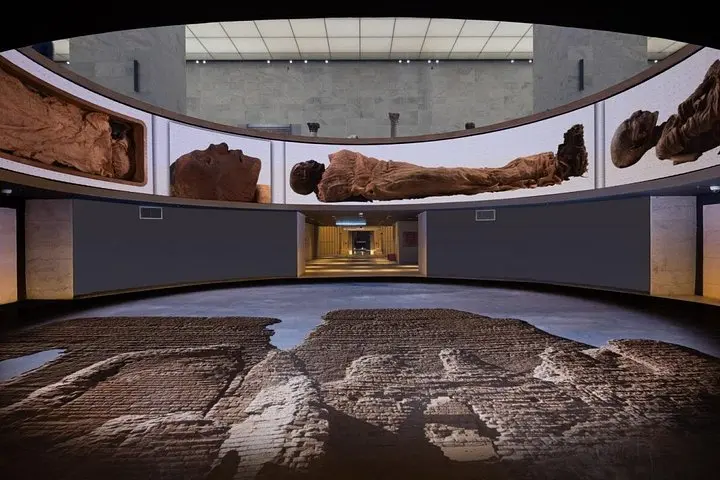
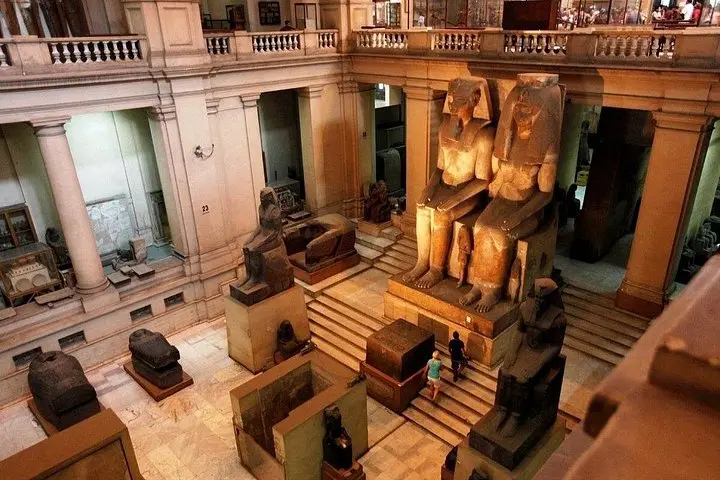
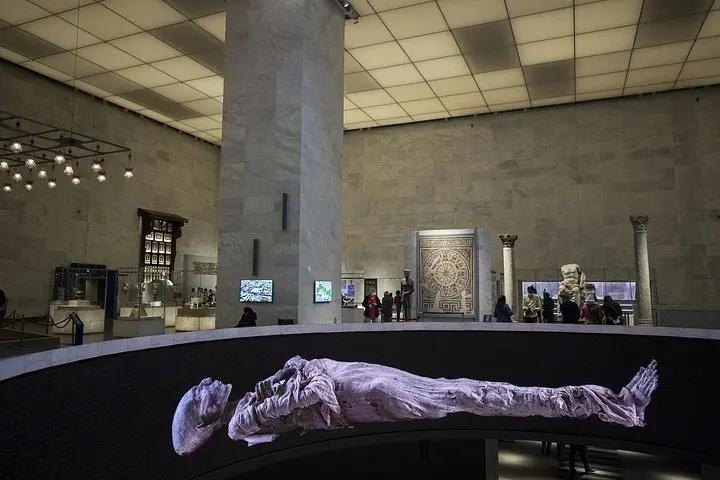
You step out of the car into the rumble of Tahrir Square, the museum’s sandstone façade rising with the city’s layered history around it. Inside, air-conditioned galleries hush the traffic; alabaster, painted wood, and gold sit in glass cases while a guide names dynasties and points out the small details that reveal big stories.
You step out of the car into the rumble of Tahrir Square, the museum’s sandstone façade rising with the city’s layered history around it. Inside, air-conditioned galleries hush the traffic; alabaster, painted wood, and gold sit in glass cases while a guide names dynasties and points out the small details that reveal big stories.
The Egyptian Museum in Cairo (established in its Tahrir location in 1902) houses an enormous public collection of antiquities—catalogues list hundreds of thousands of objects—focused on Pharaonic Egypt and the famous Tutankhamun assemblage. The building itself reflects early 20th‑century Egyptian museum design and has been a focal point for archaeology, repatriation debates, and conservation work for generations.
Culturally, a visit compares imperial splendor with everyday artifacts: funerary goods sit near combs, amulets, and pottery that speak to ordinary life along the Nile. Geologically, much of the stonework—limestone, sandstone, and rare granites—was quarried from the Nile valley and Aswan, giving the objects a landscape connection.
Practical guidance: this private four‑hour option pairs a licensed Egyptologist with round‑trip transfers, making logistics simple. Note that entrance fees and any special exhibition tickets are typically not included, though your guide will advise on purchase. Expect several hours of standing and slow walking; bring comfortable shoes and a small bag for camera gear. Flash photography is often restricted; follow the guide’s instructions to protect fragile pigments and fragile artifacts.