
Private Guided Tour of the Egyptian Museum: Tutankhamun and Ancient Antiquities
Explore the Egyptian Museum in Cairo with a private Egyptologist—three hours of curated galleries, Tutankhamun treasures, and cultural context. This guided experience pairs fast access with expert interpretation to make ancient artifacts come alive.
An Adventure In Cairo.
Explore the Egyptian Museum in Cairo with a private Egyptologist—three hours of curated galleries, Tutankhamun treasures, and cultural context. This guided experience pairs fast access with expert interpretation to make ancient artifacts come alive.
Read the full experience
You step out of an air-conditioned vehicle into the beat of downtown Cairo, Tahrir Square unfolding like a public room around the museum's façade. Inside, cool light falls across glass cases; the gold of a pharaoh's mask seems to edge toward the visitor, demanding a careful look. A private Egyptologist paces the galleries with you, pausing where the objects ask for stories rather than labels.
You step out of an air-conditioned vehicle into the beat of downtown Cairo, Tahrir Square unfolding like a public room around the museum's façade. Inside, cool light falls across glass cases; the gold of a pharaoh's mask seems to edge toward the visitor, demanding a careful look. A private Egyptologist paces the galleries with you, pausing where the objects ask for stories rather than labels.
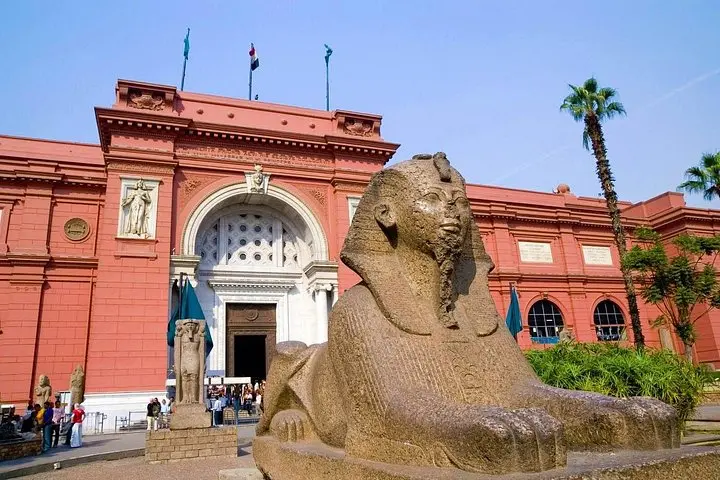
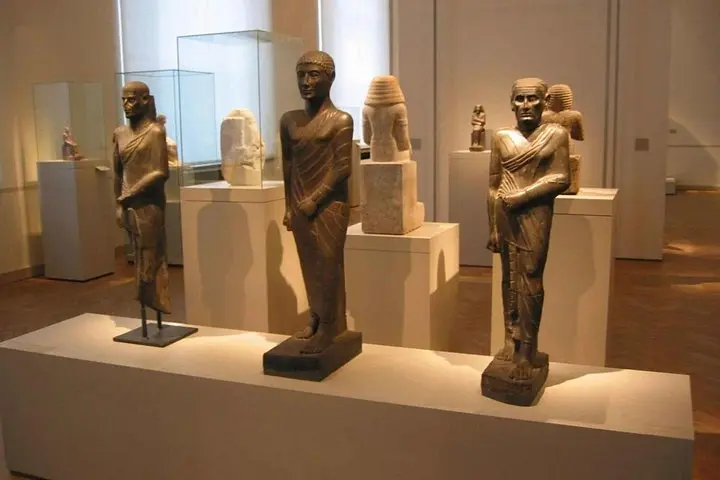
The Egyptian Museum on Tahrir Square opened at the turn of the 20th century and became the country's primary repository for Pharaonic treasures. The collection charts millennia—from Predynastic pottery through New Kingdom statuary and the dazzling funerary equipment of Tutankhamun. Geology and environment played their part: the Nile's annual floods fed the kingdoms whose stonework and faience survive here. Cairo itself is a dense urban layer, its modern rhythms sitting atop an ancient landscape of limestone and river silt.
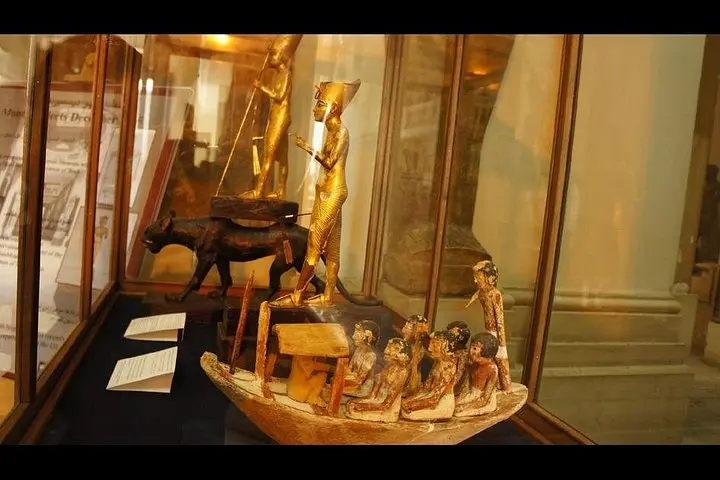
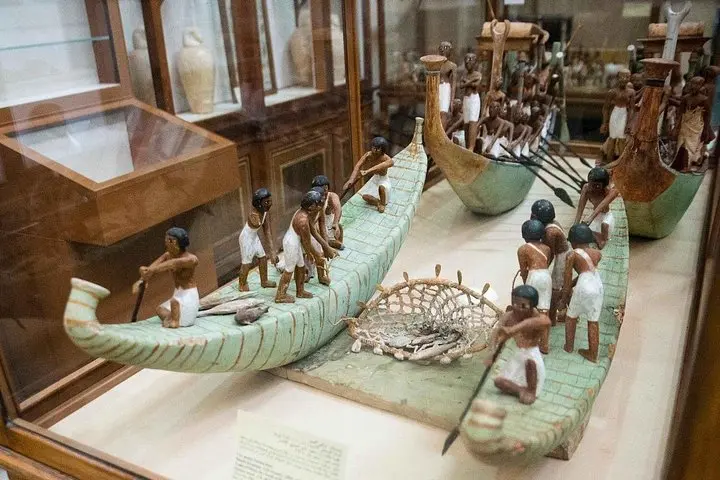
Expect a structured, three-hour walkthrough that highlights the kingly burials, relief fragments, and small-scale daily objects that reveal everyday life alongside royal spectacle. The guide will situate objects in cultural context and point out conservation details—why some pigments still hold their color, why others have faded.
Practical notes: arrive early to avoid crowds, carry ID or passport (required for entry), and allow time for security screening. Comfortable shoes matter; the floors are long and often busy. Photography restrictions and rotating exhibits mean the experience changes—ask your guide about current highlights and whether the Tutankhamun rooms are open. With a private guide and pickup included, this is an efficient, accessible way to read Egypt's past in person.
Frequently asked questions
Yes—standard tours include the Tutankhamun galleries when they are open, but access can change due to conservation or rotations; confirm with your guide.
The museum and transport options are listed as wheelchair accessible; notify at booking for guaranteed assistance.
Photography rules vary by room—flash is often prohibited and some exhibits restrict photography entirely; follow posted signs and staff guidance.
The private tour runs about three hours and includes pickup and return in an air-conditioned vehicle as described in the booking details.
About This Experience
Egypt Tours Travel operates guided outdoor trips and adventures with an emphasis on safety, stewardship, and memorable experiences.
Adventure tips
Recommended gear
- Passport or ID: Required for entry and ticketing at the museum.
- Comfortable walking shoes: Provides support for long indoor gallery walks and standing during talks.
- Light daypack: Carries water, sunscreen, and a guidebook without hindering movement.
- Portable water bottle: Hydration is important when moving between air-conditioned transport and the city heat.
Photos of the experience
Related adventures & guides
Read the full experience
You step out of an air-conditioned vehicle into the beat of downtown Cairo, Tahrir Square unfolding like a public room around the museum's façade. Inside, cool light falls across glass cases; the gold of a pharaoh's mask seems to edge toward the visitor, demanding a careful look. A private Egyptologist paces the galleries with you, pausing where the objects ask for stories rather than labels.
You step out of an air-conditioned vehicle into the beat of downtown Cairo, Tahrir Square unfolding like a public room around the museum's façade. Inside, cool light falls across glass cases; the gold of a pharaoh's mask seems to edge toward the visitor, demanding a careful look. A private Egyptologist paces the galleries with you, pausing where the objects ask for stories rather than labels.
The Egyptian Museum on Tahrir Square opened at the turn of the 20th century and became the country's primary repository for Pharaonic treasures. The collection charts millennia—from Predynastic pottery through New Kingdom statuary and the dazzling funerary equipment of Tutankhamun. Geology and environment played their part: the Nile's annual floods fed the kingdoms whose stonework and faience survive here. Cairo itself is a dense urban layer, its modern rhythms sitting atop an ancient landscape of limestone and river silt.
Expect a structured, three-hour walkthrough that highlights the kingly burials, relief fragments, and small-scale daily objects that reveal everyday life alongside royal spectacle. The guide will situate objects in cultural context and point out conservation details—why some pigments still hold their color, why others have faded.
Practical notes: arrive early to avoid crowds, carry ID or passport (required for entry), and allow time for security screening. Comfortable shoes matter; the floors are long and often busy. Photography restrictions and rotating exhibits mean the experience changes—ask your guide about current highlights and whether the Tutankhamun rooms are open. With a private guide and pickup included, this is an efficient, accessible way to read Egypt's past in person.
Make a day of it nearby.
Verified experiences and guided adventures in the surrounding area.