THE ADVENTURE COLLECTIVE® · Independent discovery and booking for outdoor travel

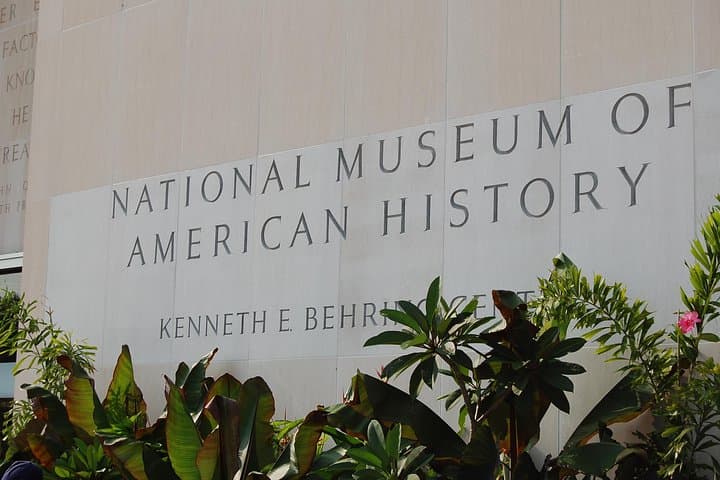
A focused 2.5-hour private walkthrough of the National Museum of American History that pairs curated artifacts with expert context. Ideal for visitors who want a structured, accessible way to see highlights—without the guesswork.
A focused 2.5-hour private walkthrough of the National Museum of American History that pairs curated artifacts with expert context. Ideal for visitors who want a structured, accessible way to see highlights—without the guesswork.
Meet by the fountain at the Constitution Avenue entrance and the museum opens like a city of objects—cases humming under cool light, a mosaic of uniforms, flags and household tools arranged to argue a story.
Verified experiences and guided adventures in the surrounding area.
Operated by Babylon Tours DC · Washington, DC
Meet by the fountain at the Constitution Avenue entrance and the museum opens like a city of objects—cases humming under cool light, a mosaic of uniforms, flags and household tools arranged to argue a story.
This 2.5-hour private tour threads through the museum’s highlights: the fragile Star-Spangled Banner that helped shape a nation, the Greensboro lunch counter that still holds the pause of protest, Dorothy’s ruby slippers and Julia Child’s restored kitchen that map culture as much as politics. The building itself, set along the National Mall, is part archive, part theater—corridors that push visitors from founding-era artifacts into the 20th century’s collision of industry and popular culture.
Expect a mix of social and material history: military objects, transportation displays, political ephemera and curated domestic spaces that reveal ordinary lives and extraordinary moments. Guides will point out how preservation choices shape what you see and why some rooms require silence or restricted photography.
Practical edge: the tour meets at the fountain; arrive 10 minutes early with a mobile number on record. The museum is wheelchair accessible but enforces bag size limits and occasional quiet-room rules. Dress for standing and walking up to two miles of slow-paced exploration; security checks are standard and some galleries close without notice—operators usually provide alternatives if delays exceed an hour.
For the curious: book morning slots to avoid heavy crowds, bring a small bag and a charged phone for quick reference to exhibit labels. This is a guided, accessible way to move from artifact to argument and leave with a clearer picture of how objects map national change.
This is a guided tour of the National Museum of American History; general admission to the Smithsonian is free, and the tour focuses on the museum’s collections—no additional ticket is required beyond your booking.
Yes — the museum and this private tour are wheelchair accessible; notify the operator of mobility needs when booking to ensure appropriate accommodations.
No — large bags and suitcases are not allowed through security; bring only small handbags or thin daypacks that fit screening requirements.
Yes — certain exhibits require quiet or restricted speech; your guide will brief you before entering those spaces and enforce the rules.
Babylon Tours DC operates guided outdoor trips and adventures with an emphasis on safety, stewardship, and memorable experiences.


Meet by the fountain at the Constitution Avenue entrance and the museum opens like a city of objects—cases humming under cool light, a mosaic of uniforms, flags and household tools arranged to argue a story.
Meet by the fountain at the Constitution Avenue entrance and the museum opens like a city of objects—cases humming under cool light, a mosaic of uniforms, flags and household tools arranged to argue a story.
This 2.5-hour private tour threads through the museum’s highlights: the fragile Star-Spangled Banner that helped shape a nation, the Greensboro lunch counter that still holds the pause of protest, Dorothy’s ruby slippers and Julia Child’s restored kitchen that map culture as much as politics. The building itself, set along the National Mall, is part archive, part theater—corridors that push visitors from founding-era artifacts into the 20th century’s collision of industry and popular culture.
Expect a mix of social and material history: military objects, transportation displays, political ephemera and curated domestic spaces that reveal ordinary lives and extraordinary moments. Guides will point out how preservation choices shape what you see and why some rooms require silence or restricted photography.
Practical edge: the tour meets at the fountain; arrive 10 minutes early with a mobile number on record. The museum is wheelchair accessible but enforces bag size limits and occasional quiet-room rules. Dress for standing and walking up to two miles of slow-paced exploration; security checks are standard and some galleries close without notice—operators usually provide alternatives if delays exceed an hour.
For the curious: book morning slots to avoid heavy crowds, bring a small bag and a charged phone for quick reference to exhibit labels. This is a guided, accessible way to move from artifact to argument and leave with a clearer picture of how objects map national change.