THE ADVENTURE COLLECTIVE® · Independent discovery and booking for outdoor travel

Explore Johannesburg on foot with a private local guide who threads Newtown, Chancellor House and Vilakazi Street into a three-hour cultural walk. Customizable stops and wheelchair-friendly streets make this an accessible way to meet the city’s history.
Explore Johannesburg on foot with a private local guide who threads Newtown, Chancellor House and Vilakazi Street into a three-hour cultural walk. Customizable stops and wheelchair-friendly streets make this an accessible way to meet the city’s history.
You step onto Mary Fitzgerald Square and the city opens like a book with pages both scarred and bright. The walk moves through Newtown’s red-brick blocks, past worker-run museums and the carved stone face of Chancellor House where Mandela and Tambo once practiced law. Vilakazi Street in Soweto appears later in the route, a short transit away, its homes and cafes still humming with the echoes of two Nobel laureates.
Verified experiences and guided adventures in the surrounding area.
Operated by Guydeez · Johannesburg, Gauteng
You step onto Mary Fitzgerald Square and the city opens like a book with pages both scarred and bright. The walk moves through Newtown’s red-brick blocks, past worker-run museums and the carved stone face of Chancellor House where Mandela and Tambo once practiced law. Vilakazi Street in Soweto appears later in the route, a short transit away, its homes and cafes still humming with the echoes of two Nobel laureates.
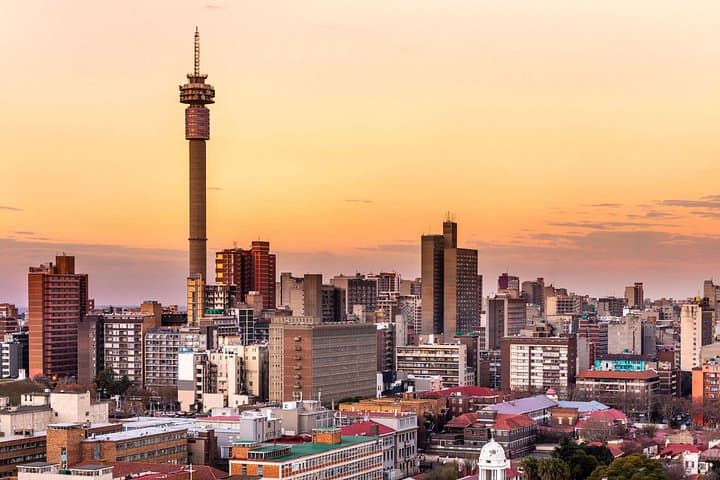
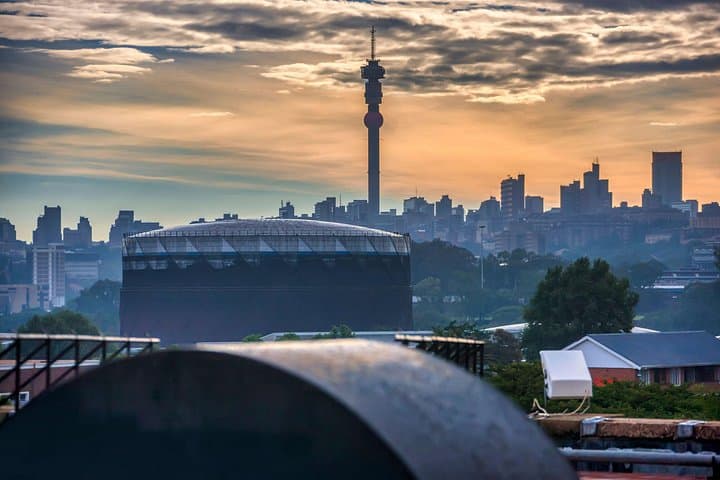
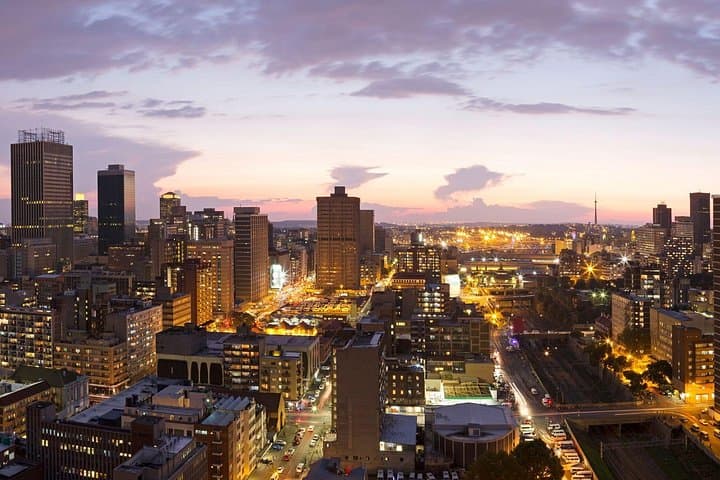
Johannesburg sits on the Highveld plateau at roughly 1,750 meters, a landscape shaped by gold-mining geology and rapid urban growth rather than dramatic mountains. The tour traces political and cultural chapters: early trade-union organizing at Mary Fitzgerald Square, the Workers’ Library and Museum’s role in education, and the rise of Soweto as a center of resistance and culture. Expect concrete boulevards, pocket parks, sculpted memorials and the vertical impression of the Carlton Centre downtown.
Practically speaking, this private walking tour runs about three hours and covers roughly 3–4 km of mostly paved city streets with minimal elevation change. Paths are generally wheelchair- and stroller-friendly, and the route is customizable to include museum interiors (admission may be extra). Bring sunscreen and plenty of water—the altitude makes the sun feel stronger—and wear supportive shoes for urban walking and occasional uneven sidewalks. Mornings are cooler and less congested; afternoons show more city life and markets.
The guide will tailor the pace and stops to your interests, from labor history to contemporary street art, making this a compact, context-rich way to read Johannesburg’s complex story on foot.
Yes—most areas and surfaces on the standard route are wheelchair accessible; note that some museum interiors may have limited access, so ask in advance.
Museum entry is not automatically included—tell your guide which sites you want to enter so they can confirm costs and timing.
Yes—the tour is private and customizable to your interests, from labor history and architecture to street art and Soweto visits.
Guides typically operate in English; request another language when booking and the operator will confirm availability.
Guydeez operates guided outdoor trips and adventures with an emphasis on safety, stewardship, and memorable experiences.
You step onto Mary Fitzgerald Square and the city opens like a book with pages both scarred and bright. The walk moves through Newtown’s red-brick blocks, past worker-run museums and the carved stone face of Chancellor House where Mandela and Tambo once practiced law. Vilakazi Street in Soweto appears later in the route, a short transit away, its homes and cafes still humming with the echoes of two Nobel laureates.
You step onto Mary Fitzgerald Square and the city opens like a book with pages both scarred and bright. The walk moves through Newtown’s red-brick blocks, past worker-run museums and the carved stone face of Chancellor House where Mandela and Tambo once practiced law. Vilakazi Street in Soweto appears later in the route, a short transit away, its homes and cafes still humming with the echoes of two Nobel laureates.
Johannesburg sits on the Highveld plateau at roughly 1,750 meters, a landscape shaped by gold-mining geology and rapid urban growth rather than dramatic mountains. The tour traces political and cultural chapters: early trade-union organizing at Mary Fitzgerald Square, the Workers’ Library and Museum’s role in education, and the rise of Soweto as a center of resistance and culture. Expect concrete boulevards, pocket parks, sculpted memorials and the vertical impression of the Carlton Centre downtown.
Practically speaking, this private walking tour runs about three hours and covers roughly 3–4 km of mostly paved city streets with minimal elevation change. Paths are generally wheelchair- and stroller-friendly, and the route is customizable to include museum interiors (admission may be extra). Bring sunscreen and plenty of water—the altitude makes the sun feel stronger—and wear supportive shoes for urban walking and occasional uneven sidewalks. Mornings are cooler and less congested; afternoons show more city life and markets.
The guide will tailor the pace and stops to your interests, from labor history to contemporary street art, making this a compact, context-rich way to read Johannesburg’s complex story on foot.